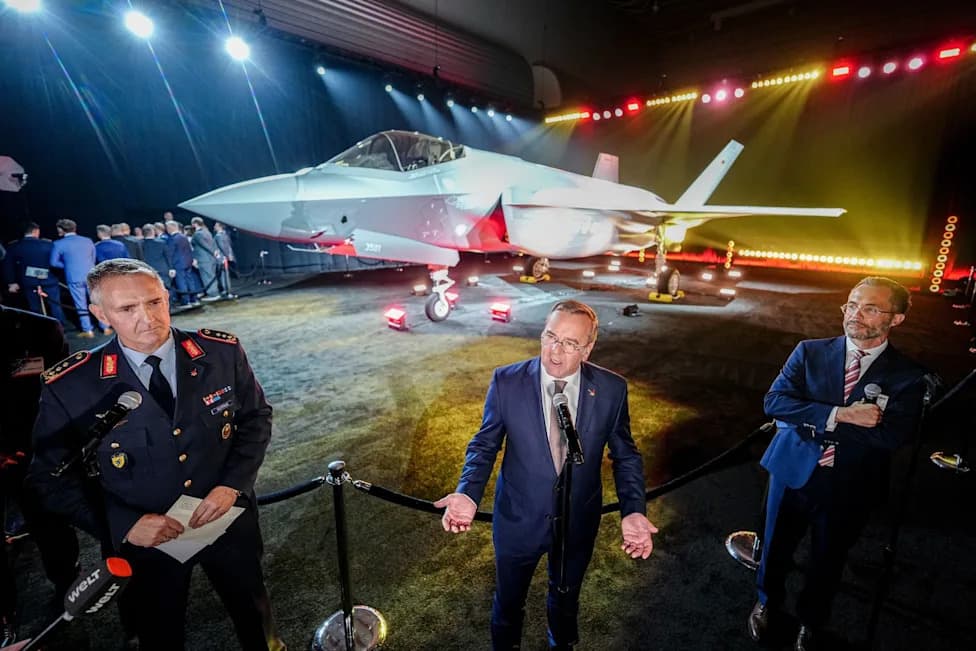
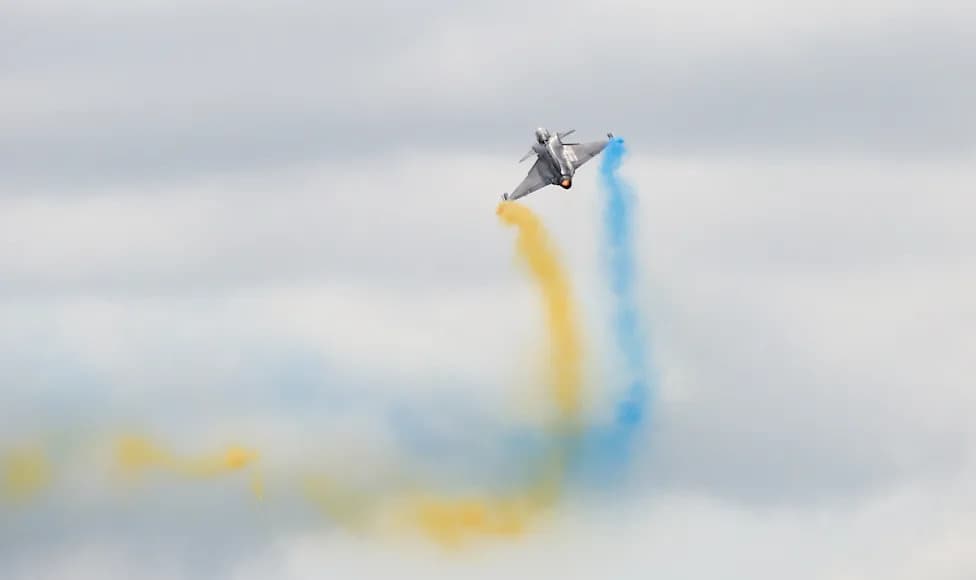
Germany is exploring entry into the UK-led £50bn Tempest (GCAP) fighter programme after abandoning the Franco-German FCAS project. Airbus’s Munich defence chief says Berlin would join only if it received a significant share of the work and leadership. Germany may seek to order roughly 150 jets. Industry leaders warn that extended negotiations over workshare could delay the programme.
Germany Eyes Role In UK-Led £50bn Tempest Fighter Programme, Demands Significant Workshare
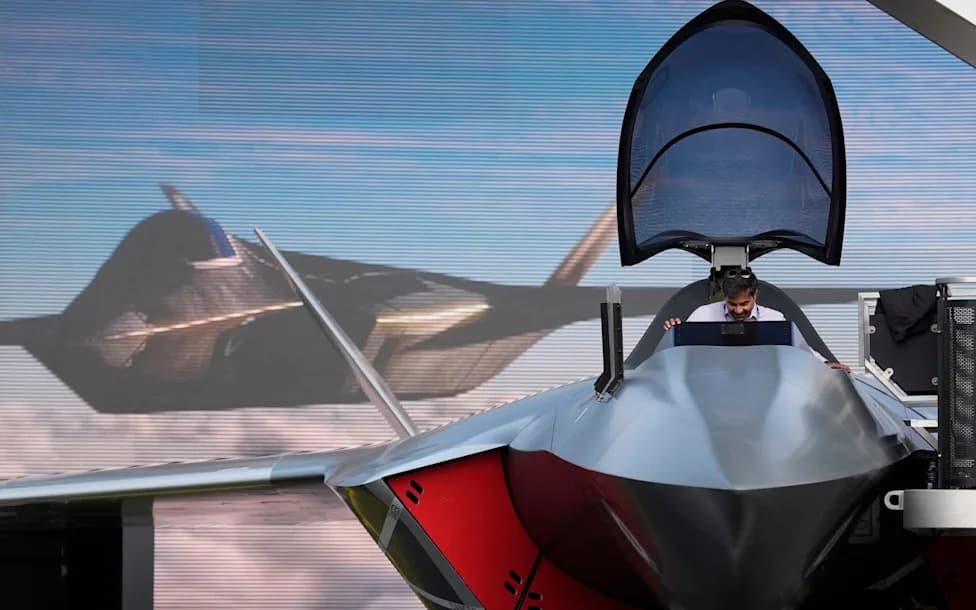
Germany has been forced to consider joining Tempest, known in military circles as the Global Combat Air Programme - Andrew Matthews/PA
Germany is actively exploring joining the UK-led £50bn Tempest stealth fighter programme after abandoning a planned Franco-German partnership. Airbus’s Munich defence chief, Michael Schoellhorn, told the Farnborough Air Show that Berlin would consider joining the Global Combat Air Programme (GCAP) — known commercially as Tempest — only if it secured substantial industrial work and meaningful influence over the project.
Why the Shift?
The move follows Chancellor Friedrich Merz’s decision in May to withdraw from the Franco-German Future Combat Air System (FCAS) after a public dispute between Airbus’s Munich division and France’s Dassault over workshare and contracts. The collapse of FCAS reopened the question of how Europe should collaborate on a next-generation fighter.
Industry Reaction
Schoellhorn said Germany would join "something or build something where we have a significant portion of the work and the leadership." He added that any arrangement would need to reflect Germany’s industrial contribution and potential procurement plans — Berlin is reportedly considering an order of around 150 aircraft.
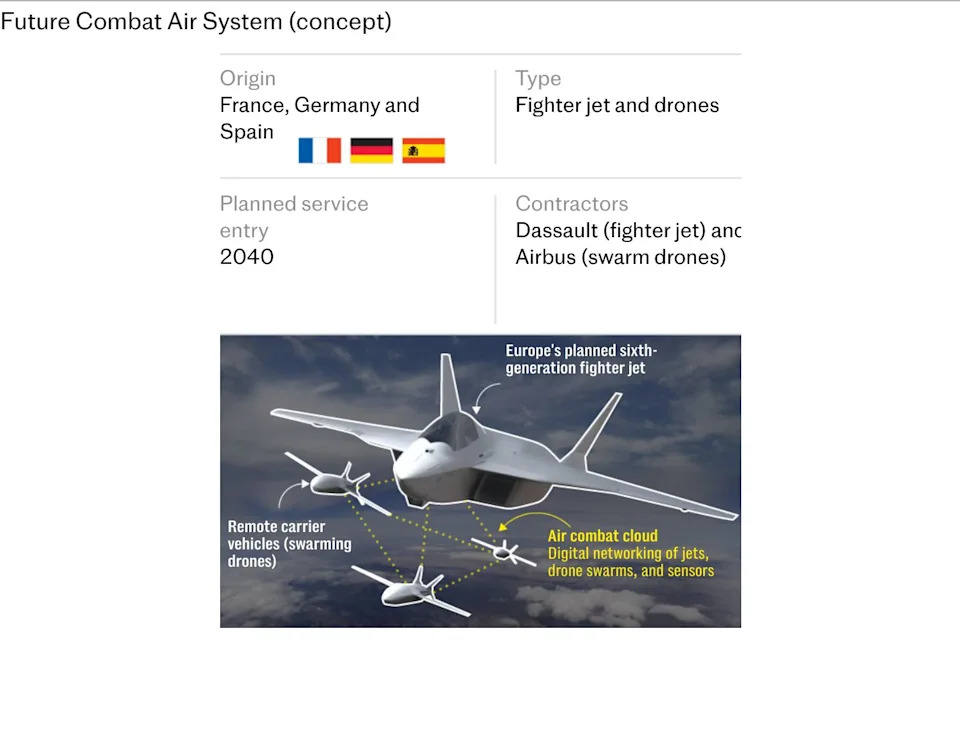
“What we’re ready to do is to join something or to build something where we have a significant portion of the work and the leadership. That’s currently being explored.” — Michael Schoellhorn, Airbus Defence Munich
BAE Systems, Italy’s Leonardo and Japan’s Mitsubishi have pushed GCAP forward since FCAS stalled. Japan is a core partner in GCAP, and Canada has recently been granted observer status, though sources say Germany would seek more than observer-level involvement to meet its industrial and strategic objectives.
Risks and Outlook
Leonardo’s CEO Lorenzo Mariani welcomed the prospect of Germany joining, noting it would add industrial capacity and financing — but he warned that prolonged negotiations over workshare could delay the programme. Airbus CEO Guillaume Faury described the Airbus–Dassault relationship as having become "toxic," saying the split was necessary but left uncertainties that must now be resolved as partners write a "new page."
As talks continue, key issues will include how responsibilities and contracts are divided, what leadership roles Germany would take, and the coordination of procurement plans among partners. If Berlin secures a significant role and order book, its participation could reshuffle the industrial and political balance of GCAP.
Help us improve.