
Researchers report the first confirmed detection of an atmosphere around a rocky exoplanet located in its star's habitable zone. LHS 1140b, 48 light‑years away, shows helium escaping — evidence it retains a long-lived atmosphere. Published in Science on July 16, the finding makes the planet a leading target for follow-up studies to determine atmospheric composition and search for surface water. Scientists stress that an atmosphere is a necessary but not sufficient condition for life.
Atmosphere Detected on Rocky Exoplanet LHS 1140b — A Major Step in the Hunt for Life
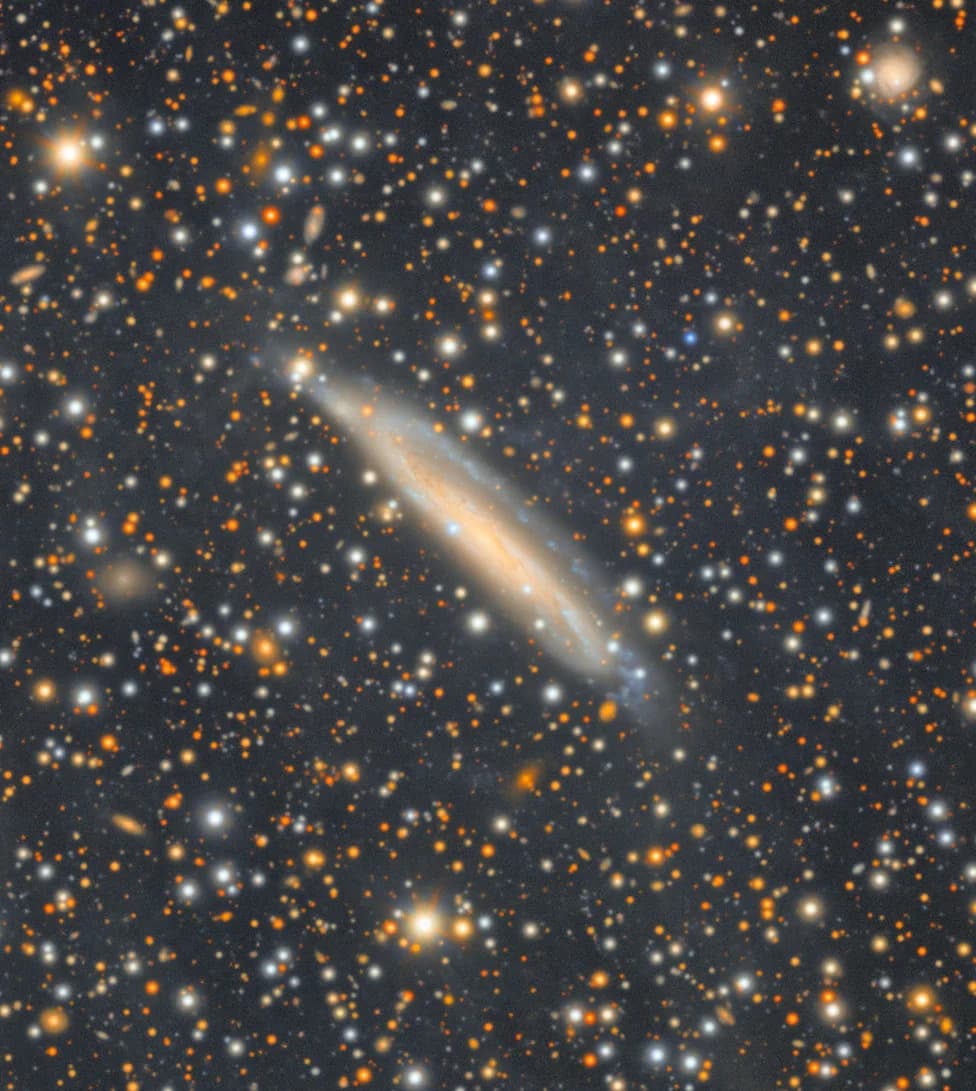
This is a section from a larger image the Vera C. Rubin Observatory captured referred to as the "ocean of stars." The view shows millions of multi-colored stars against a backdrop of galaxies close to the Milky Way’s plane, the crowded disk of the galaxy.(NSF–DOE Vera C. Rubin Observatory/NOIRLab/SLAC/AURA)
Researchers have detected an atmosphere around the rocky exoplanet LHS 1140b, a world already known to orbit in the habitable, or "Goldilocks," zone of its red dwarf star. Located about 48 light-years from Earth, LHS 1140b now checks another critical box for habitability: it appears to retain a long-lived atmosphere.
What the team found
Using a ground-based telescope in Chile, astronomers observed a rare alignment between LHS 1140b and a companion planet that amplified the signal coming from the planet. The team detected helium escaping from LHS 1140b — a signature that confirms the presence of an atmosphere and indicates it has been present for much of the planet's history. The results were published July 16 in the journal Science.
Why this matters
An atmosphere moderates surface temperature and shields a planet from harmful radiation, so its presence is an important prerequisite for life as we know it. LHS 1140b is similar in size to Earth and orbits within its star's habitable zone, making it one of the most promising rocky exoplanets for follow-up study.
Caveats and next steps
Helium escape shows that an atmosphere exists, but it does not by itself reveal the full atmospheric composition or whether surface conditions are suitable for liquid water or life. The research team, led by Collin Cherubim of Harvard University, emphasizes the need for further observations to characterize the atmosphere in detail and to search for surface features such as oceans.
Future observations with space- and ground-based facilities — including high-resolution spectroscopy and instruments optimized for atmospheric studies — will be essential to determine the atmosphere's density, chemistry, and potential habitability. Scientists caution that detecting an atmosphere is an important milestone but not proof of life.
Context
Since the first confirmed exoplanet in 1995, astronomers have cataloged thousands of worlds. As of July 2026, NASA's Exoplanet Science Institute lists 6,324 confirmed exoplanets, with many thousands more candidates awaiting confirmation. LHS 1140b's combination of rocky composition, temperate orbit, and now-detected atmosphere makes it a high-priority target in the continuing search for potentially habitable worlds beyond our solar system.
"An atmosphere is essential for a planet to support life as we know it," said Collin Cherubim, lead author of the study. "This detection validates models and opens the door to more detailed follow-up observations."
Reporting credit: Eric Lagatta / USA TODAY. Study published in Science, July 16.
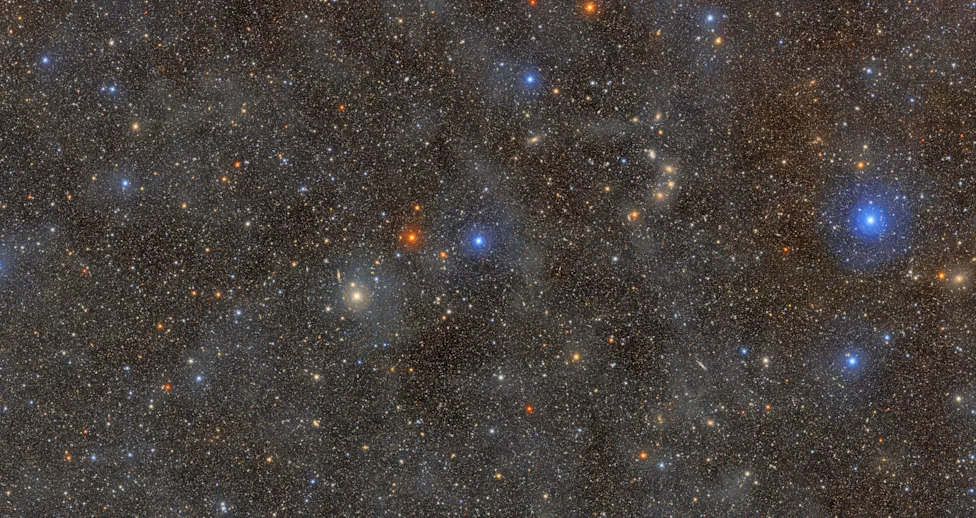
A field of stars in the constellation Lupus showcases the unprecedented view of the universe that the Vera C. Rubin Observatory provides. Rubin combines a wide view of the sky with the ability to detect extremely faint objects, revealing details of the cosmos across an enormous range of scales.(NSF–DOE Rubin Observatory/NOIRLab/SLAC/AURA)
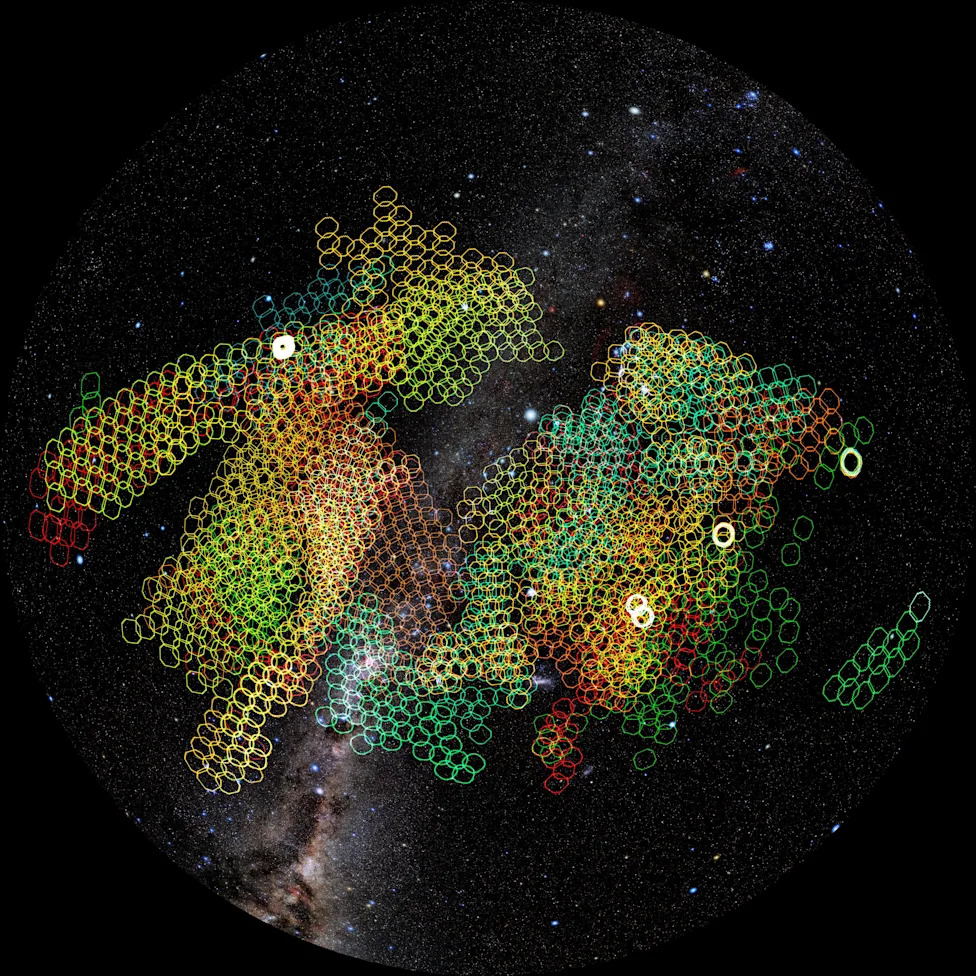
This map represents how much sky the Rubin Observatory can map in one week, with he color of the tile representing the filter used for each exposure as the Observatory rapidly builds a multicolor map of the universe.(NSF–DOE Rubin Observatory/NOIRLab/SLAC/AURA)
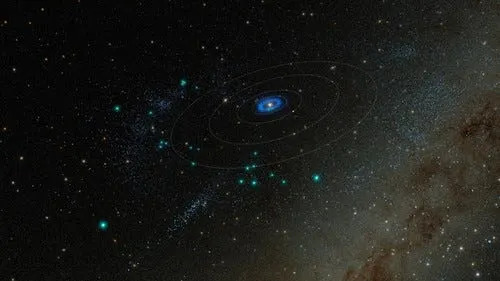
A model of the Solar System showing the roughly 380 trans-Neptunian objects (objects orbiting beyond Neptune) discovered using observations taken during Rubin’s early optimization surveys in summer 2025.(NSF–DOE Vera C. Rubin Observatory/NOIRLab/SLAC/AURA/R. Proctor)
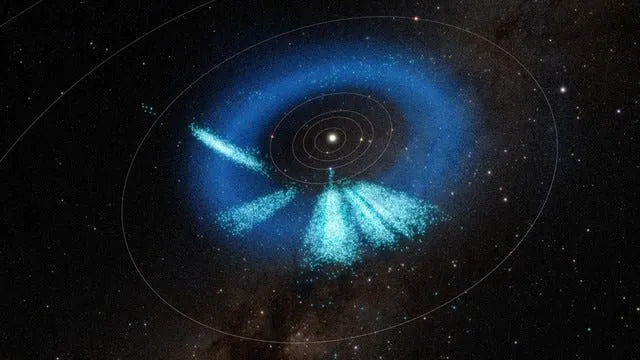
A model of the inner Solar System showing the asteroids discovered by Rubin in light teal. Known asteroids are dark blue. The model shows almost 12,700 asteroids that were discovered with Rubin over the span of a year and a half.(NSF–DOE Vera C. Rubin Observatory/NOIRLab/SLAC/AURA/R. Proctor)
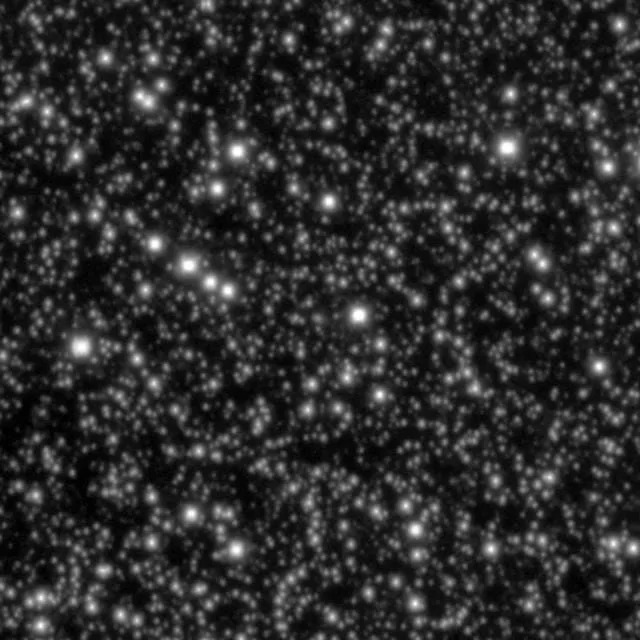
This image shows comet 3I/ATLAS, the third interstellar object ever discovered, on June 21, 2025 — ten days before its official discovery was announced.(NSF–DOE Vera C. Rubin Observatory/NOIRLab/SLAC/AURA; Image Processing: C. Chandler (University of Washington), M. Zamani & D. de Martin (NSF NOIRLab))
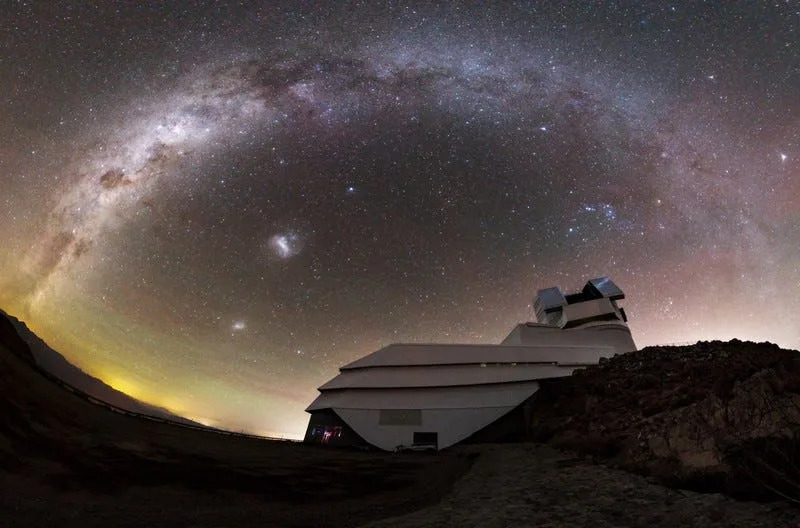
In this photo captured in February 2026, the Rubin Observatory observes the Chilean night sky above Cerro Pachón beneath the dazzling view of our home galaxy, the Milky Way.(NSF–DOE Rubin Observatory/NOIRLab/SLAC/AURA/P. Lago)
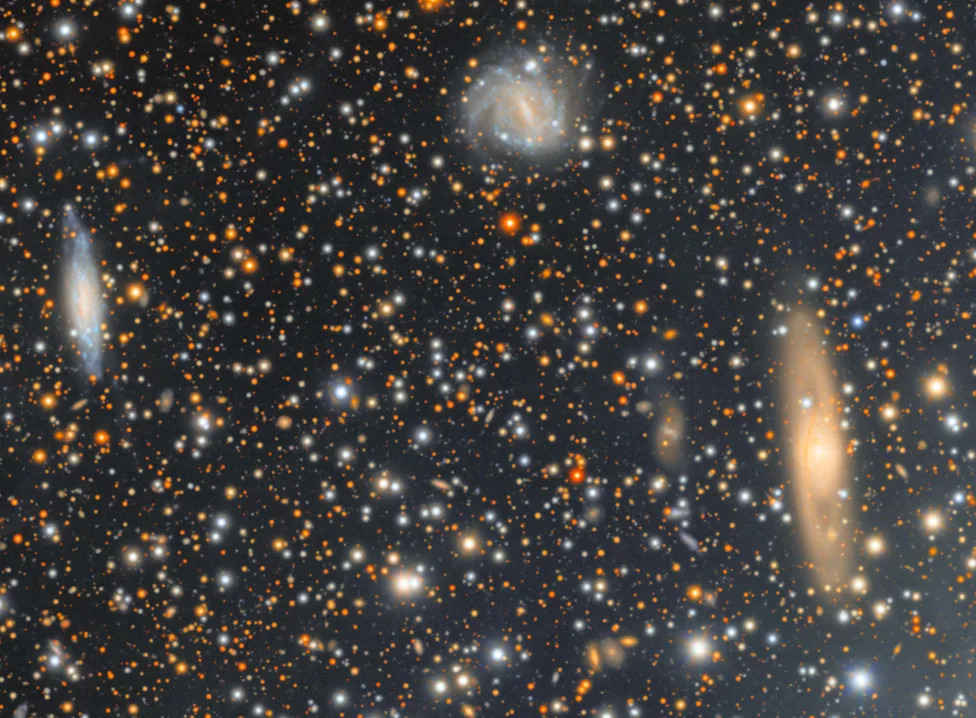
This is a section from a larger image the Vera C. Rubin Observatory captured referred to as the "ocean of stars." The view shows millions of multi-colored stars against a backdrop of galaxies close to the Milky Way’s plane, the crowded disk of the galaxy.(NSF–DOE Vera C. Rubin Observatory/NOIRLab/SLAC/AURA)
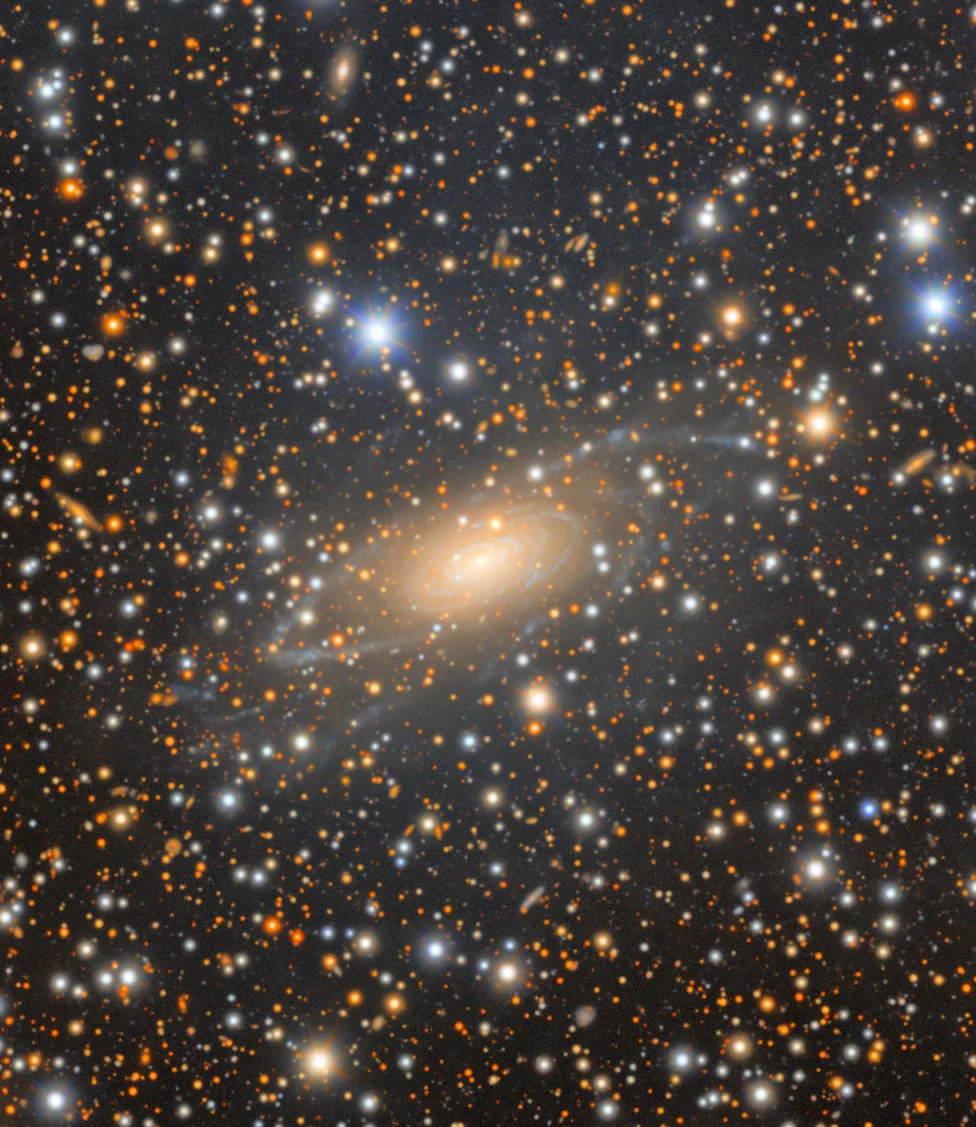
This is a section from a larger image the Vera C. Rubin Observatory captured referred to as the "ocean of stars." The view shows millions of multi-colored stars against a backdrop of galaxies close to the Milky Way’s plane, the crowded disk of the galaxy.(NSF–DOE Vera C. Rubin Observatory/NOIRLab/SLAC/AURA)
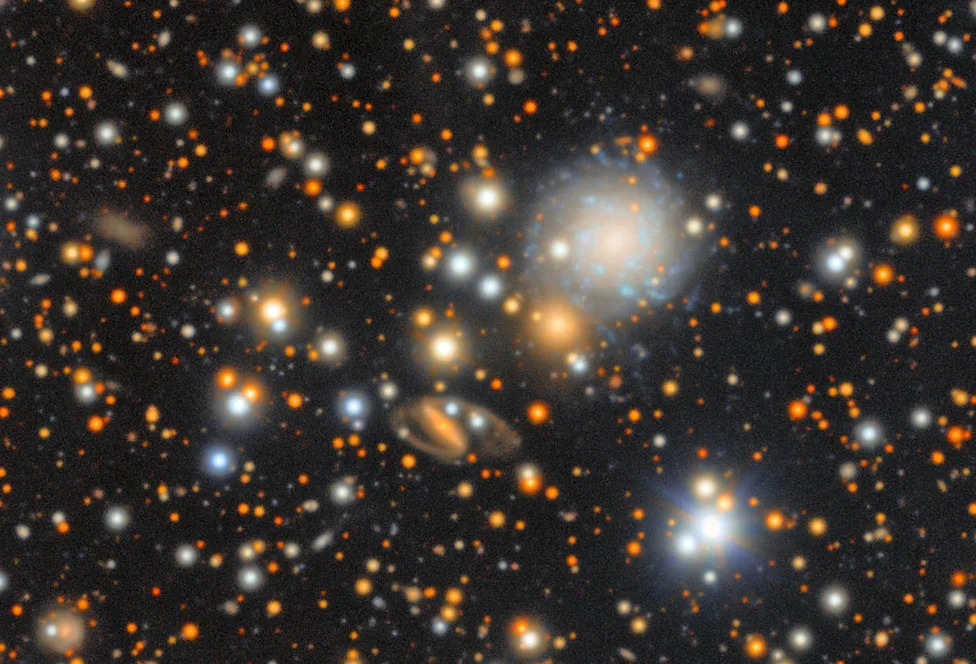
This is a section from a larger image the Vera C. Rubin Observatory captured referred to as the "ocean of stars." The view shows millions of multi-colored stars against a backdrop of galaxies close to the Milky Way’s plane, the crowded disk of the galaxy.(NSF–DOE Vera C. Rubin Observatory/NOIRLab/SLAC/AURA)
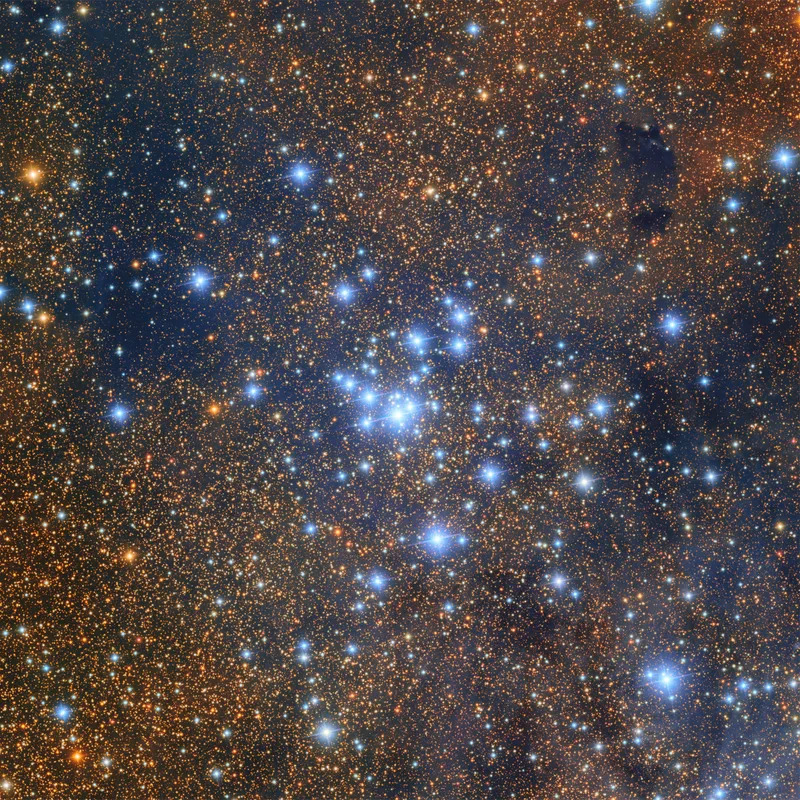
The open star cluster Messier 21 as imaged by NSF–DOE Vera C. Rubin Observatory. Located near the Trifid Nebula, Messier 21 is relatively young and tightly packed with small, dim stars.(RubinObs/NOIRLab/SLAC/NSF/DOE/AURA)
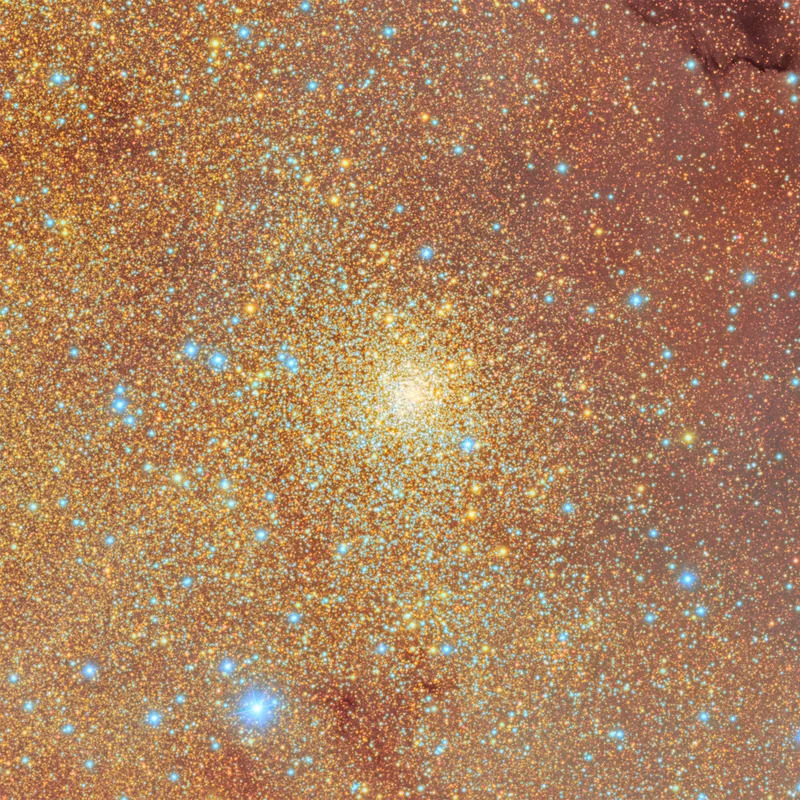
Globular cluster NGC 6544 as imaged by NSF–DOE Vera C. Rubin Observatory. This tightly packed globular cluster is home to tens of thousands of stars.(RubinObs/NOIRLab/SLAC/NSF/DOE/AURA)
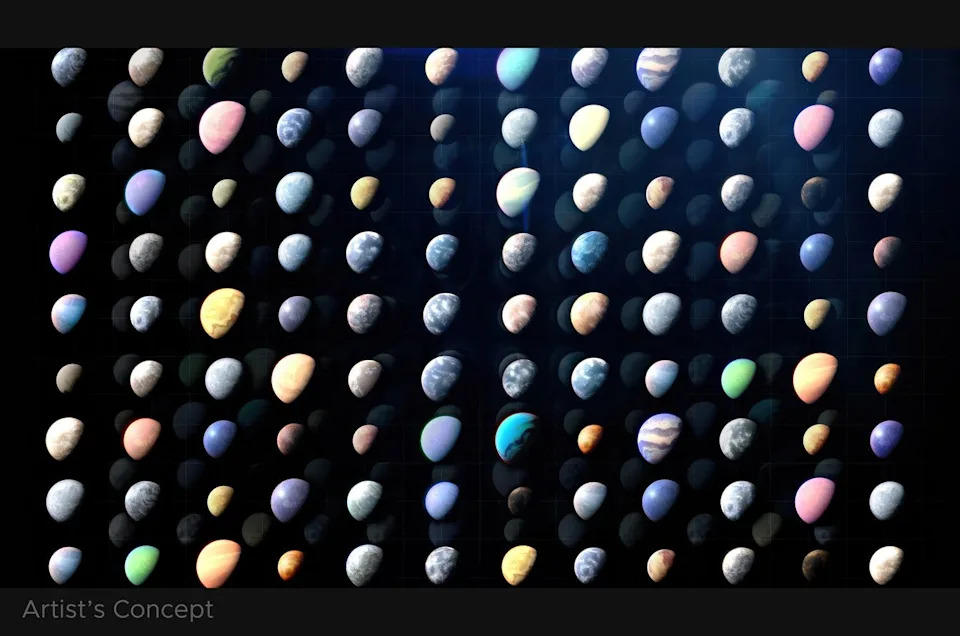
Scientists have found thousands of exoplanets (planets outside our solar system) throughout the galaxy. Most can be studied only indirectly, but scientists know they vary widely, as depicted in this artist’s concept, from small, rocky worlds and gas giants to water-rich planets and those as hot as stars.
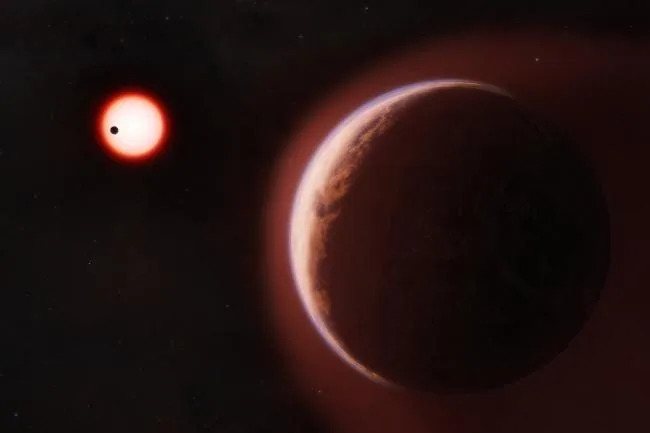
In this artist’s concept, the exoplanet LHS 1140 b is shown in the foreground, surrounded by a helium-rich atmosphere. Another nearby rocky planet orbits the same cool red dwarf star in the distance. A new study provides the strongest evidence yet that LHS 1140 b has retained an atmosphere, representing a milestone step toward the discovery of Earth-like rocky planets beyond our solar system.
Help us improve.





















