
The Buck Moon, July's full moon, peaks on Wednesday, July 29 at 10:36 a.m. ET and will brighten the night sky while three meteor showers remain active. The Southern Delta Aquarids and Alpha Capricornids peak the day after the full moon and may be washed out by moonlight, while the Perseids peak in August with less lunar interference. The name "Buck Moon" refers to rapid antler growth in male deer during June and July. NASA's Artemis II crew also captured lunar photos and used eclipse viewers during their April 2026 flyby.
Buck Moon Peaks July 29 — When and How to Watch the Night Sky

Lunar SelfieMidway through their lunar observation period, the Artemis II crew members, seen here (From left to right: Victor Glover, Jeremy Hansen, Reid Wiseman, and Christina Koch), pause to turn the camera around for a selfie inside the Orion spacecraft.NASA's Artemis II astronautsare among the first government spacefarers to bring personal smartphones to space.(NASA)
July's full moon, commonly called the Buck Moon, will peak on Wednesday, July 29 at 10:36 a.m. ET, and will brighten the night sky while three meteor showers remain active.
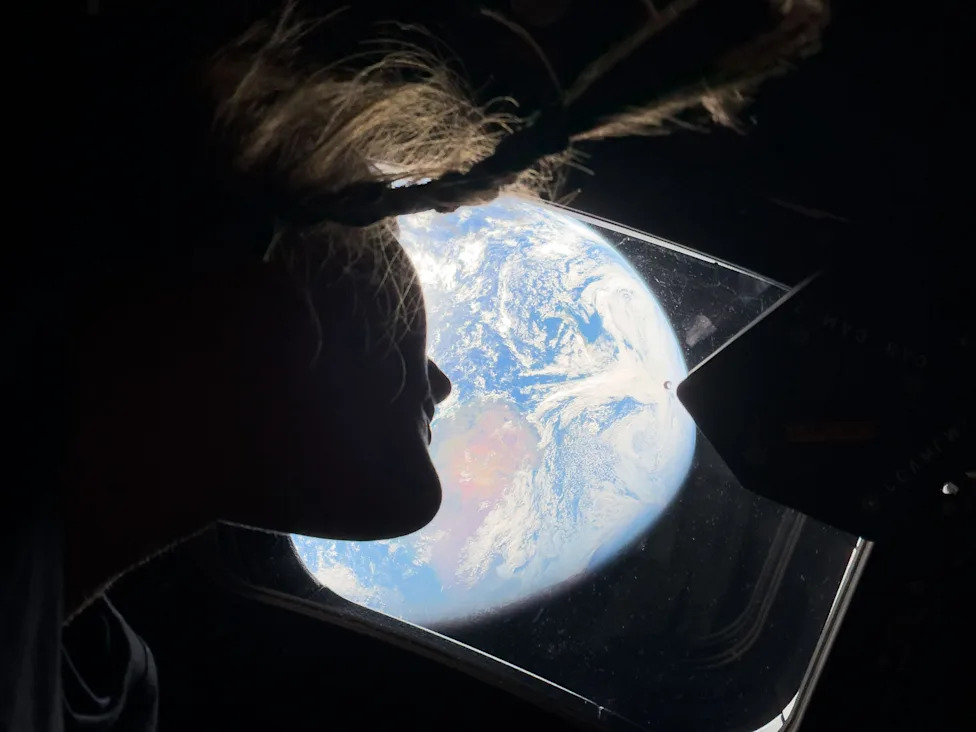
Spaceship EarthNASA astronaut and Artemis II mission specialist Christina Koch peers out of one of the Orion spacecraft's main cabin windows, looking back at Earth, as the crew travels towards the Moon.(NASA)
What to Expect
Two of the active meteor showers — the Southern Delta Aquarids and the Alpha Capricornids — are expected to reach their peaks the day after the full moon. Because the moon will be bright, backyard observers hoping to spot those meteors may find viewing conditions more difficult. The Perseids are already underway but peak in August, when moonlight will interfere far less; the Perseids are widely regarded as one of the year's best meteor displays.
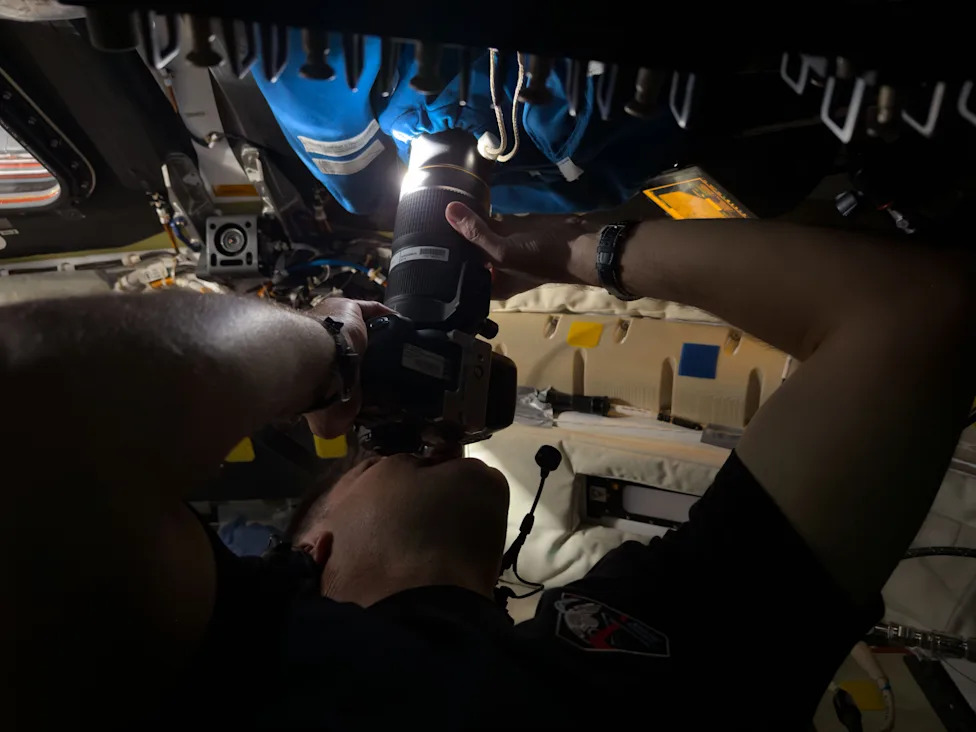
Photographer at WorkAstronaut Jeremy Hansen captures an image through the camera shroud covering window 2 of the Orion spacecraft. The camera shroud, essentially a curtain with a hole for the lens to pass through, is used to prevent light from the cabin from reflecting on the windowpanes.(NASA)
Timing and Background
NASA notes the lunar cycle repeats roughly every 29.5 days, which is why full moons arrive on a predictable cadence. Although the official peak time for this Buck Moon is in the morning, the moon will appear full for a day or two before and after that moment.
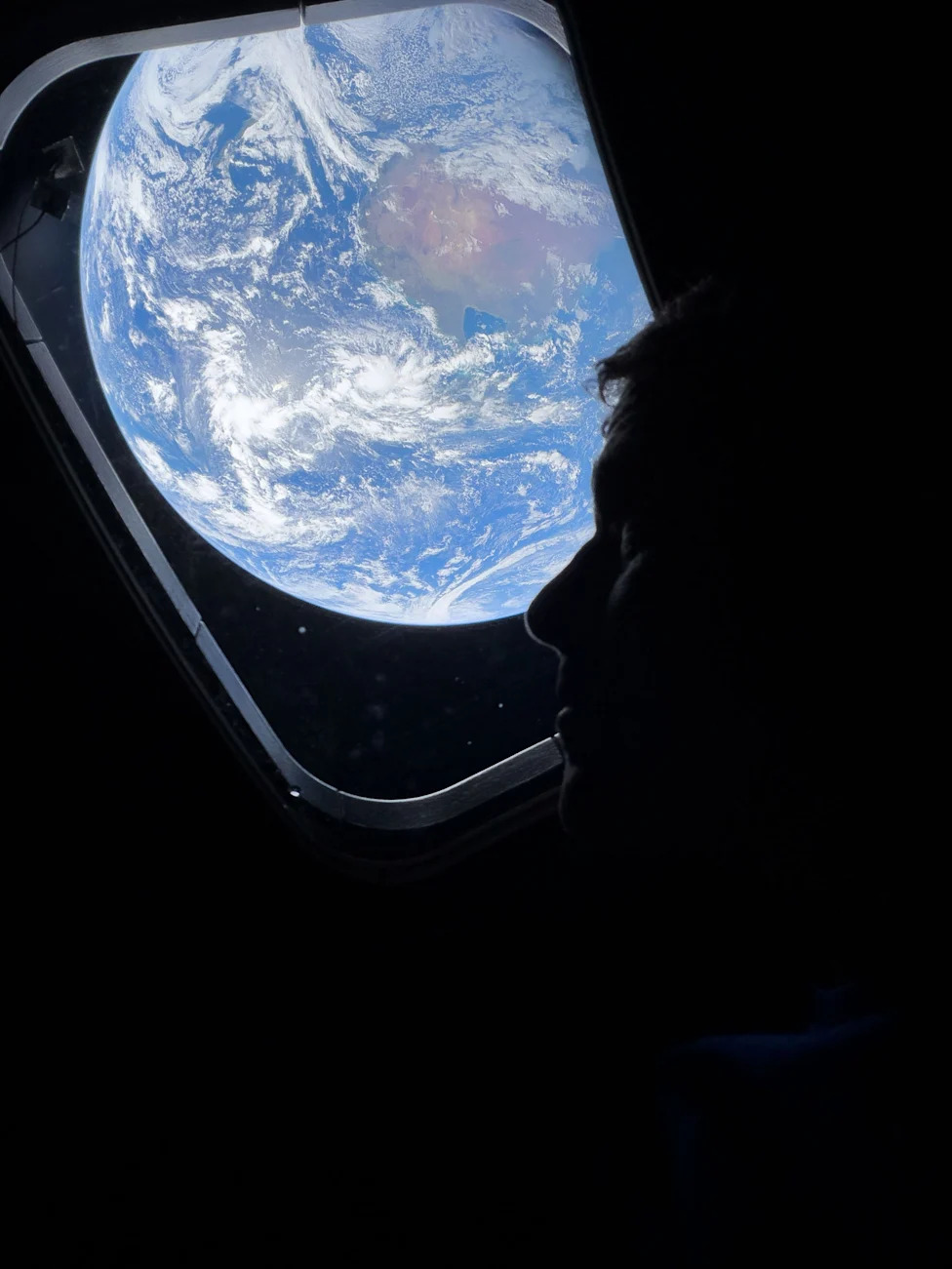
Home, Seen from OrionNASA astronaut and Artemis II Commander Reid Wiseman peers out of one of the Orion spacecraft's main cabin windows, looking back at Earth, as the crew travels towards the Moon.(NASA)
Why It's Called the Buck Moon
The name "Buck Moon" comes from seasonal wildlife behavior: male deer, or bucks, experience rapid antler growth during this period. Mississippi State University reports bucks can add as much as 2 inches of antler growth per week through June and July. Antlers are regrown each year before mating season and are shed in late winter after breeding concludes.

Eclipse SafetyFirst The Artemis II crew – Mission Specialist Christina Koch (top left), Mission Specialist Jeremy Hansen (bottom left), Commander Reid Wiseman (bottom right), and Pilot Victor Glover (top right) – uses eclipse viewers, identical to what NASA produced for the 2023 annular eclipse and 2024 total solar eclipse, to protect their eyes at key moments during the solar eclipse they experienced during their lunar flyby. This was the first use of eclipse glasses at the Moon to safely view a solar eclipse.(NASA)
Artemis II Highlights
Images and observations from NASA's Artemis II mission also captured public attention. Crew members Victor Glover, Jeremy Hansen, Reid Wiseman and Christina Koch photographed the lunar environment and even took a group selfie inside the Orion spacecraft during lunar observation periods. The Artemis II astronauts were among the first government crewmembers to bring personal smartphones into deep-space operations. During their April 2026 lunar flyby, the team used eclipse viewers — the same style NASA issued for recent solar eclipses on Earth — marking the first recorded use of eclipse glasses at the Moon.

Final Flyby PreparationsArtemis II Pilot Victor Glover (Left), Commander Reid Wiseman (Center), and Mission Specialist Jeremy Hansen (Right) prepare for their journey around the far side of the Moon by configuring their camera equipment shortly before beginning their lunar flyby observations.(NASA)
How to Watch
For the best view of the Buck Moon, check local weather forecasts to avoid heavy clouds or storms. If you plan to stargaze on the night of the full moon, consider the following:
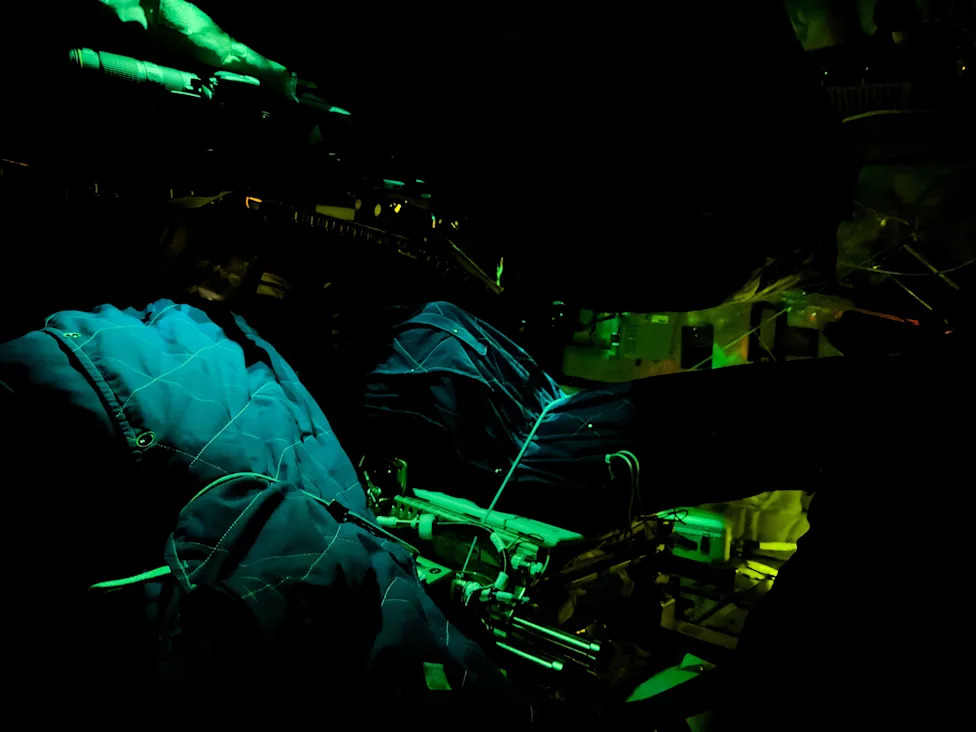
Rest Before Lunar FlybyArtemis II crewmember sleeping bags are illuminated inside the Orion spacecraft on Flight Day 5 of the mission and ahead of the crew's lunar flyby on April 6, 2026.(NASA)
- Bring a blanket, sleeping bag or reclining chair for comfortable viewing.
- Dress for the expected temperature and conditions.
- Use insect repellent to avoid mosquito bites.
- Choose a site with a clear horizon and minimal artificial light for the best experience.
Remaining Full Moons in 2026
Here are the rest of the full moon dates for 2026, per the Farmer's Almanac:
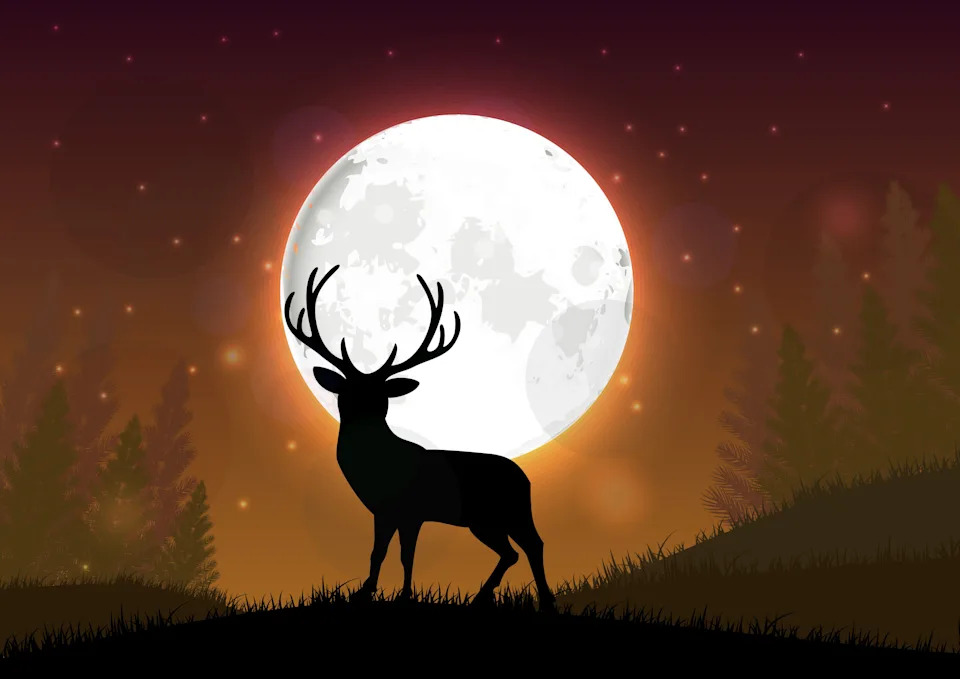
The Buck Moon will take place on Wednesday, July 29.
- Sturgeon Moon (partial lunar eclipse): Peaks Aug. 28 at 12:18 a.m. ET
- Harvest Moon: Peaks Sept. 26 at 12:49 p.m. ET
- Hunter's Moon: Peaks Oct. 26 at 12:12 a.m. ET
- Beaver Moon (supermoon): Peaks Nov. 24 at 9:53 a.m. ET
- Cold Moon (supermoon): Peaks Dec. 23 at 8:28 p.m. ET
With these dates and viewing tips in mind, skywatchers can pick the best nights to enjoy the Buck Moon and the meteor showers active around it.
Reporting by Julia Gomez for USA TODAY. Contact: [email protected].
Help us improve.





















