Health officials confirmed a fifth death in an Upper East Side Legionnaires' cluster, with at least 82 cases identified and eight people hospitalized. Authorities say 34 cooling towers at 33 buildings that tested positive have been cleaned and disinfected; results are pending for roughly 140 towers. Residents in ZIP codes 10028, 10075 and 10128 should seek medical care for flu-like symptoms—which can appear up to 14 days after exposure.
Fifth Death Confirmed in Upper East Side Legionnaires' Cluster; 82 Cases Reported
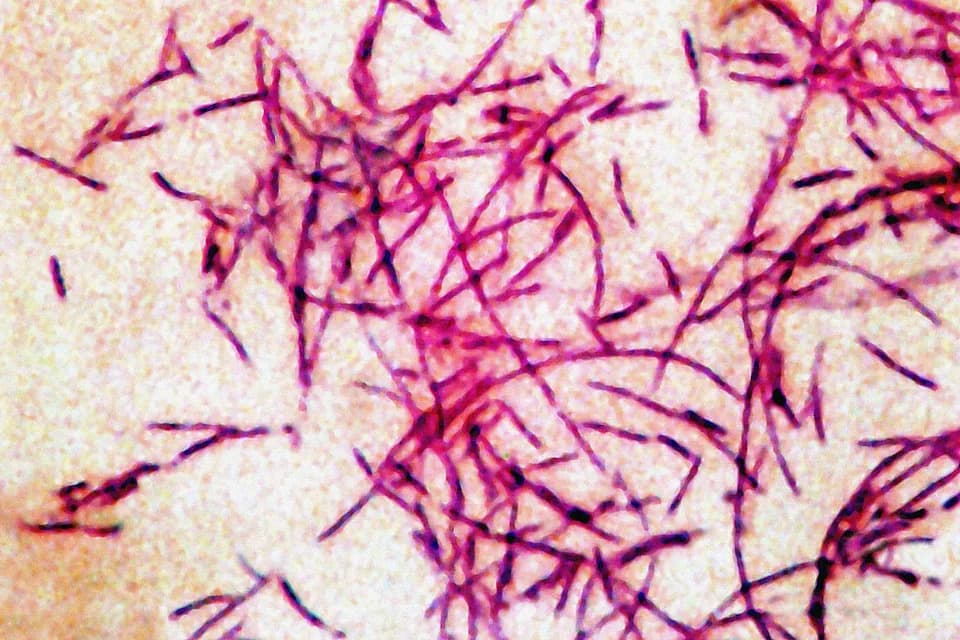
Bsip/uig/Getty Images/Universal Images Gr - PHOTO: Legionnaire's Disease bacterium is seen in this stock photo.
New York City health officials confirmed a fifth death linked to an ongoing cluster of Legionnaires' disease on the Upper East Side. As of Tuesday, the New York City Health Department has identified at least 82 confirmed cases, with eight people currently hospitalized and 56 patients discharged.
Officials say they believe the likely source of the Legionella bacteria has been addressed, but inspections and testing will continue. So far, 34 cooling towers at 33 buildings that tested positive for Legionella have been cleaned and disinfected. Nine towers tested negative, and results are pending for about 140 additional towers; those results are expected within the next week.
Where to be alert
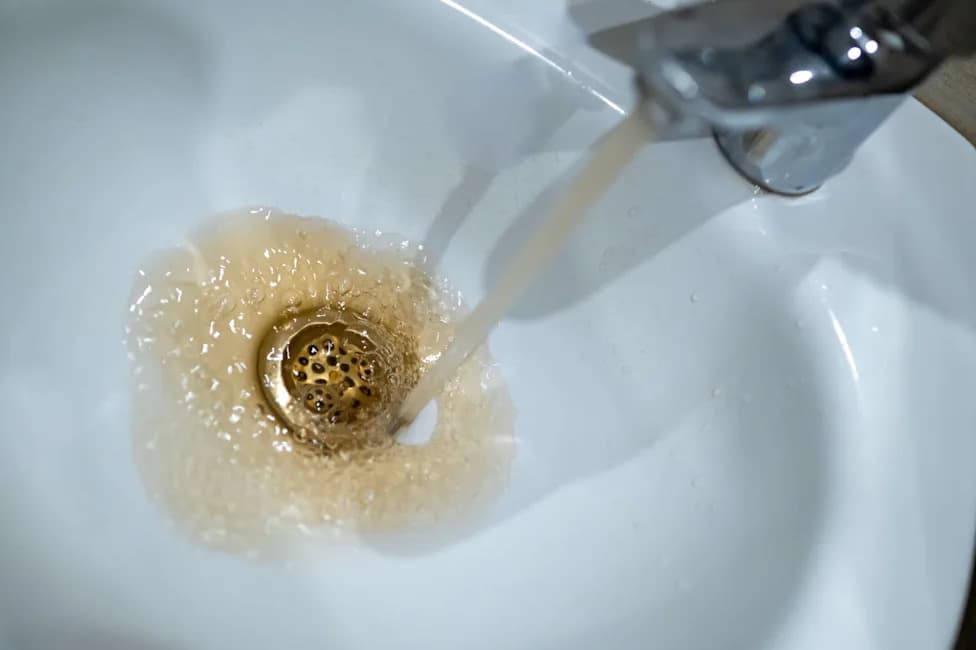
Health authorities urged anyone who spent time in the affected ZIP codes — 10028, 10075 and 10128 (including Carnegie Hill and Yorkville) — to seek medical attention if they develop flu-like symptoms. The Health Department emphasized that building plumbing systems are not believed to be contaminated and that residents in the affected ZIP codes can safely drink tap water, bathe, shower, cook and use air conditioners at home.
Symptoms, risk and prevention
Legionnaires' disease is a serious form of pneumonia caused by inhaling water droplets containing Legionella bacteria or when contaminated water accidentally enters the lungs. Symptoms can appear up to 14 days after exposure and commonly include:
- Fever and chills
- Persistent cough (sometimes producing mucus or blood)
- Shortness of breath
- Muscle aches, headache and fatigue
The disease usually does not spread person to person. Legionella grows best in warm-to-hot water and can contaminate building water systems, including showerheads, faucets, hot water heaters and cooling towers. Most patients recover with prompt antibiotic treatment, but infections can be severe or fatal for older adults, smokers, people with chronic lung disease, and those with weakened immune systems.
What officials are doing
The New York City Health Department continues to inspect, test and remediate cooling towers and other possible sources. Officials say targeted cleaning and disinfection have been completed where live bacteria were found and that they will follow up on pending test results.
If you were in ZIP codes 10028, 10075 or 10128 and develop fever, cough, shortness of breath or other flu-like symptoms, contact your healthcare provider and mention possible Legionnaires' exposure.
Reporting credit: ABC News. Contributor: Youri Benadjaoud.
Help us improve.