The 1858 Bradford sweets poisoning occurred after powdered arsenic was accidentally used in place of gypsum in a batch of humbug candies, killing around 20 people and sickening many more. The error traced back to an apprentice who supplied unlabelled powder from a druggist’s shop. Public outrage over failed prosecutions helped spur the Adulteration of Food or Drink Act 1860 and the Pharmacy Act 1868, reshaping British food and drug regulation.
How Cheap Sugar (and One Mistake) Turned Candy Into a Deadly Scandal That Reformed Food Law
The Deadly Mistake That Turned Candy Into a Killerjayk7 - Getty Images
In October 1858 a seemingly small act of cost-cutting set off a chain of events that killed about 20 people, sickened hundreds and helped transform Britain’s approach to food and drug safety. The Bradford sweets poisoning—centred on a popular boiled sweet known as the "humbug"—became a grim turning point in public health and regulation.
Background: Humbugs, Hardship and Cutting Costs
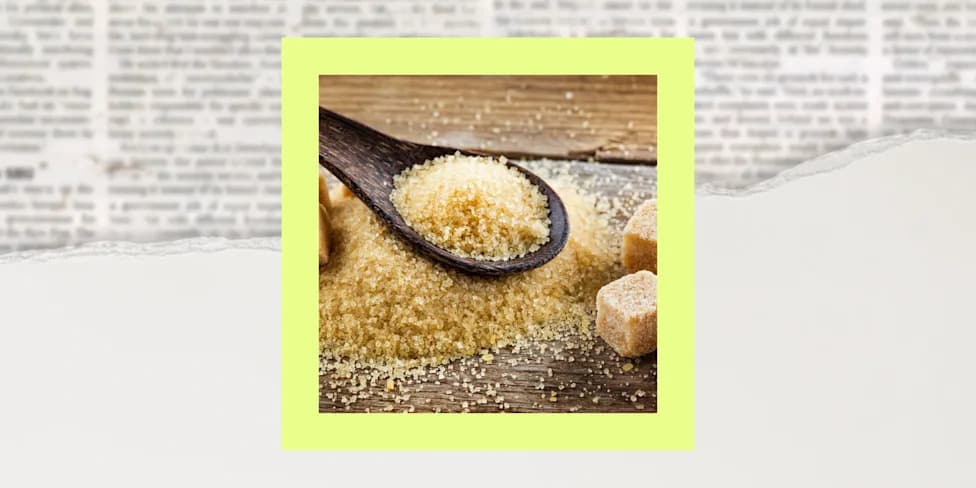
Humbugs were hard boiled sweets made from sugar, water and gum, typically flavored with peppermint (and sometimes aniseed or cinnamon). William "Humbug Billy" Hardaker sold humbugs at Bradford’s Greenmarket after buying them from local confectioner Joseph Neal. Sugar was expensive in mid-19th-century Britain, and Neal sometimes stretched his ingredient list by adding powdered gypsum—locally nicknamed "daft"—to reduce costs.
The Mistake That Killed
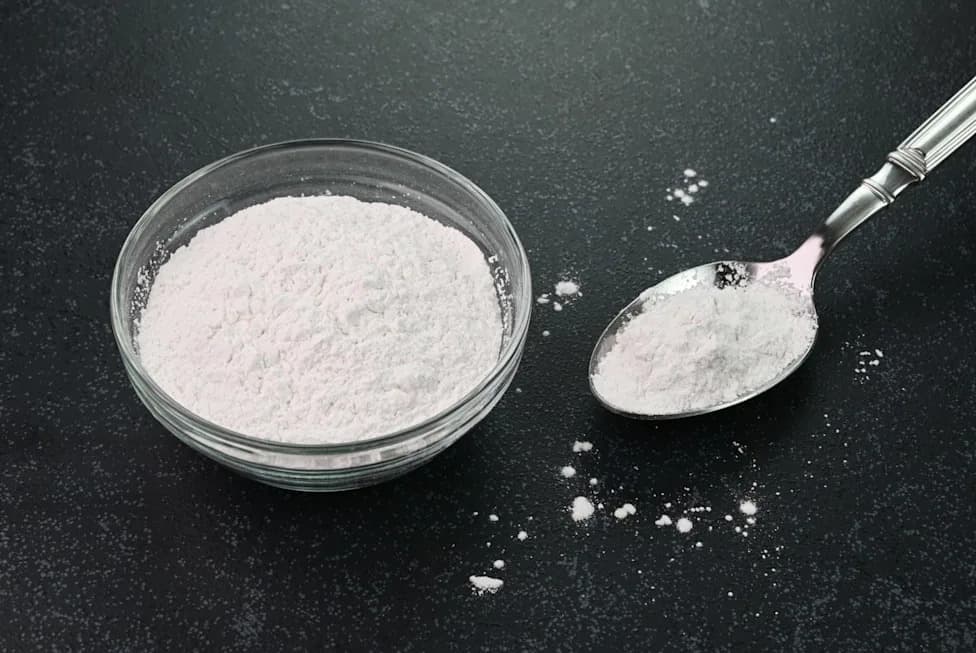
In late October 1858 Neal asked a lodger to fetch more daft from a nearby druggist’s shop. The shop owner, Charles Hodgson, was absent that day; his apprentice, William Goddard, supplied powder from two unlabelled casks in the back room. One cask contained harmless plaster of Paris (gypsum); the other contained arsenic. The lodger and Neal did not realize the substitution, and Neal used the contaminated powder in a batch of humbugs destined for the Saturday market on 30 October.
The Outbreak
Hardaker noticed the candies looked darker than usual and negotiated a lower price, but after Neal reassured him and sold the stock at market, customers began falling ill the next day. Children and adults vomited violently; within days dozens were hospitalized and many families were grieving. Dr. John Henry Bell identified a common source and sent samples for chemical testing (using the Reinsch method), which confirmed arsenic poisoning.
Investigation, Trials and Public Outcry
Police traced the arsenic back to Hodgson’s shop. Goddard, Hodgson and Neal were all arrested; Neal briefly attempted to flee. At the December 1858 hearings, judges ultimately discharged Neal and Goddard and then released Hodgson for lack of sufficient legal evidence. No one was convicted in the deaths, a result that inflamed public outrage.
Legacy: Law, Memory and Caution
The Bradford tragedy accelerated long-running campaigns for better food and drug controls. It helped prompt the Adulteration of Food or Drink Act 1860 and later the Pharmacy Act 1868, which established clearer standards for pharmacists and tightened the sale of poisons such as arsenic.
The incident left human and cultural marks: Hardaker reportedly suffered paralysis after sampling one of the tainted sweets and died in 1866; his previously unmarked grave was rediscovered in March 2026. The disaster was also immortalized in a satirical print in Punch magazine drawn by John Leech, showing a skeleton stirring humbugs beside pots labeled plaster and arsenic—a stark image that helped fix the episode in the public mind.
"Every Person who shall sell any Arsenic shall forthwith ... enter in a fair and regular Manner, in a Book ... the name of the Purchaser." — Excerpt, Arsenic Act 1851
The Bradford sweets poisoning remains a cautionary tale about informal supply chains, poor oversight, and the deadly consequences of cutting corners in food production. Its legacy is visible in modern regulation: an earlier, stricter framework for how hazardous substances are stored, recorded and sold.
Help us improve.