The Upper East Side Legionnaires' cluster has reached 71 confirmed cases and includes one reported death as of July 17. Health officials have found Legionella in cooling towers at more than 75 buildings, but no single source has been identified. The city ordered 76 buildings to clean and disinfect cooling towers and reassured residents in ZIP codes 10028, 10128 and 10075 that household water and AC systems remain safe. Anyone with flu-like or pneumonia symptoms who visited the area since late June should seek medical care and mention possible Legionnaires' disease.
One Dead as Upper East Side Legionnaires' Cluster Grows to 71 Cases

1 dead in NYC Legionnaires' disease outbreak and over 70 cases confirmed
One person has died in connection with a Legionnaires' disease outbreak on Manhattan's Upper East Side, the first reported fatality as city health officials continue searching for the source of a growing cluster.
Outbreak Details
The New York City Health Department reported the outbreak reached 71 confirmed cases as of July 17. Of those affected, 10 people remain hospitalized, 48 have been discharged, 12 were not hospitalized and one person has died. New York City Health Commissioner Dr. Alister Martin announced the death on July 17, offered condolences to the family and said no further identifying information would be released to protect their privacy.
Investigators have focused their probe on the Carnegie Hill and Yorkville neighborhoods. While multiple cooling towers have tested positive for Legionella bacteria, officials have not yet identified a single definitive source responsible for the illnesses.
Investigations and City Response
The city opened its investigation on July 2 after detecting two cases in the area. Inspectors have since detected living or dead Legionella bacteria in cooling tower systems at more than 75 buildings across the Upper East Side. As a precaution, the city has ordered 76 buildings—including apartment complexes, museums and private schools—to clean, drain and disinfect their cooling towers while testing and remediation continue.
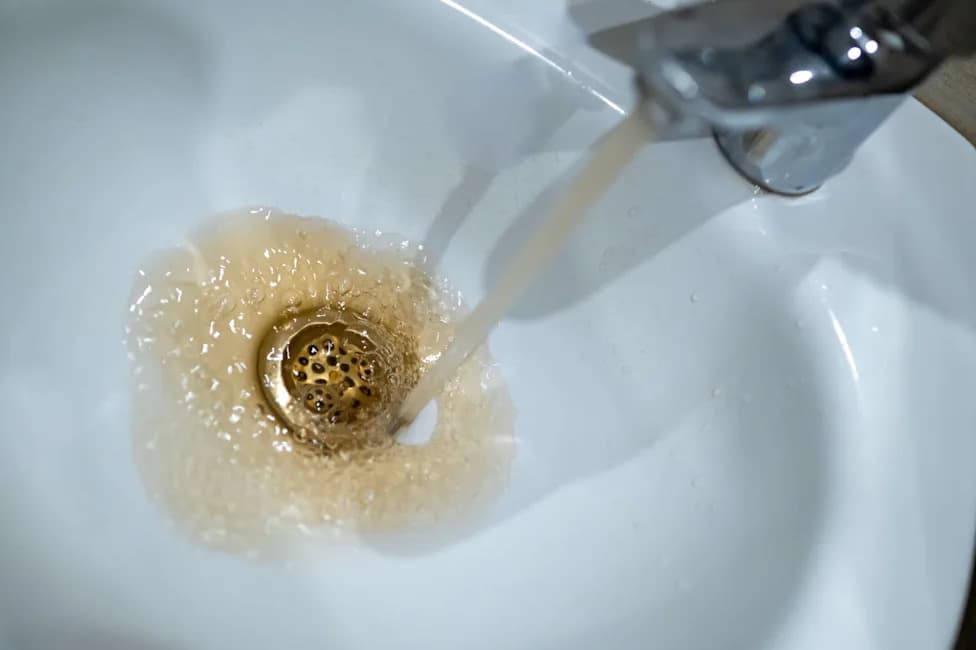
Health officials emphasized the outbreak is not linked to residential plumbing systems. Residents in ZIP codes 10028, 10128 and 10075 were reassured that it is safe to drink tap water, bathe, shower, cook and use household air-conditioning units.
About Legionnaires' Disease
Legionnaires' disease is a severe form of pneumonia caused by Legionella bacteria, which thrive in warm water systems. People typically become infected by inhaling tiny droplets of contaminated water from sources such as cooling towers, hot tubs or decorative fountains. The disease does not spread from person to person, and it generally cannot be contracted by drinking tap water or from cooled air from household AC units, according to the New York City Health Department.
The U.S. Centers for Disease Control and Prevention (CDC) says Legionnaires' disease can be treated with antibiotics—especially when diagnosed early—but about one in 10 people who develop the illness die from it.
Who Is Most At Risk & Symptoms
People most at risk include adults aged 50 and older, smokers and people who vape, and those with chronic heart, lung, kidney or liver disease, diabetes or weakened immune systems. Symptoms can include fever, chills, cough, muscle aches, headaches, fatigue, confusion and, occasionally, diarrhea.
Guidance For Residents and Visitors
Health officials urged anyone who lives, works or has visited the affected Upper East Side neighborhoods since late June and develops flu-like or pneumonia-like symptoms—including cough, fever or difficulty breathing—to seek medical care promptly and tell their provider they are concerned about possible Legionnaires' disease.
Context
Last year, a separate Legionnaires' outbreak in Harlem sickened more than 100 people and resulted in seven deaths, highlighting the continuing public health risks posed by contaminated building water systems.
Reporter Anthony Thompson can be reached at [email protected], or on X @athompsonUSAT.
Help us improve.