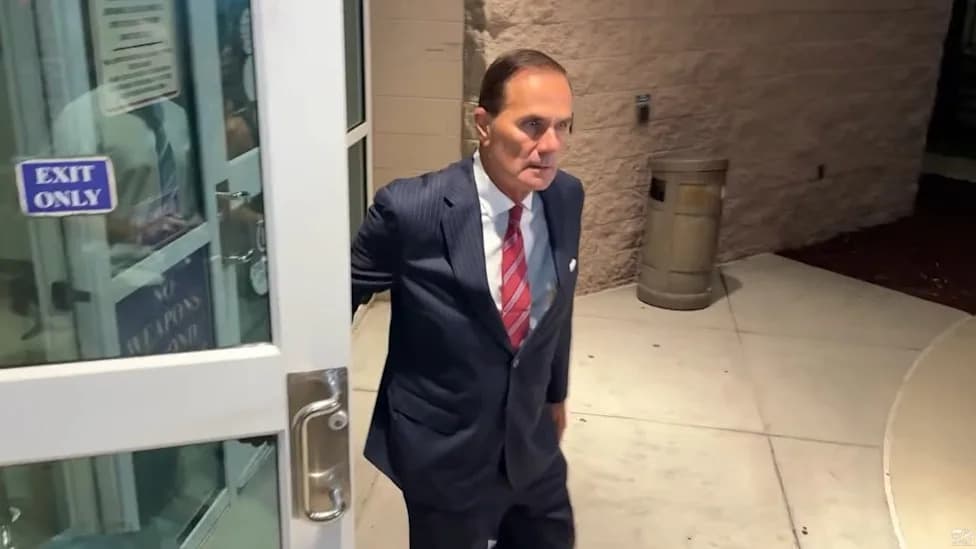
The Nashville Zoo is urging city officials to block a proposed DC BLOX data center planned roughly 320 feet from its clouded leopard breeding facility, saying low-frequency infrasound could disturb sensitive animals and harm breeding efforts. A Change.org petition tied to the zoo has topped 500,000 signatures. Zoo CEO Rick Schwartz stressed that he supports data centers generally but says this location is inappropriate. Clouded leopards are listed as vulnerable by the IUCN due to poaching, the pet trade and deforestation.
Nashville Zoo Opposes DC BLOX Data Center, Warns Of Harm To Endangered Clouded Leopards
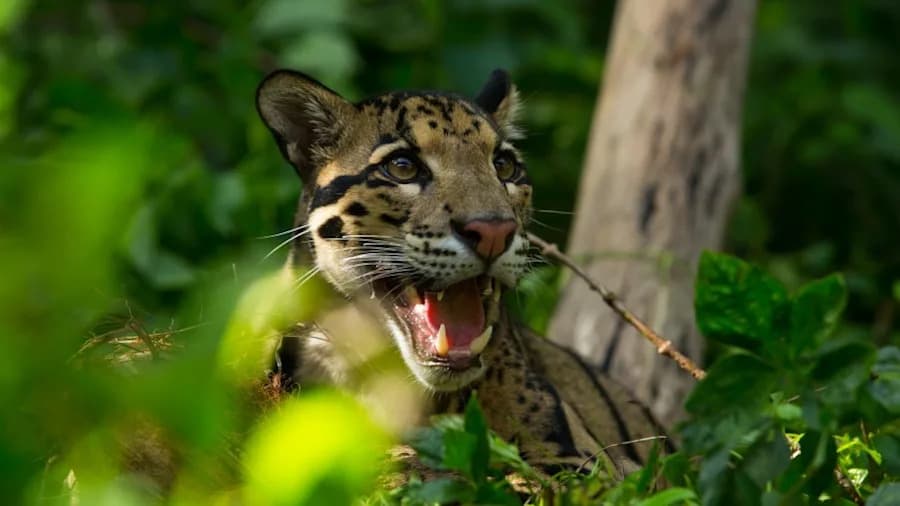
The Nashville Zoo is urging officials to block a proposed DC BLOX data center planned immediately adjacent to its grounds, arguing the development would damage the breeding environment for its endangered clouded leopards.
Zoo Raises Concern Over Infrasound and Proximity
Zoo leaders say the facility would sit only about 320 feet from the zoo’s leopard breeding building and that the operator, DC BLOX, is facing intense local resistance after a Change.org petition organized by the zoo surpassed 500,000 signatures.
Rick Schwartz, president and CEO of the Nashville Zoo, told NewsNation the core concern is persistent low-frequency sound — infrasound — emitted by data centers. He explained that many animals sense those low tones as vibrations, which can disrupt behavior, stress animals and interfere with reproduction.
“The clouded leopard is one of the most sensitive species. It's perhaps the most difficult wild feline to breed in captivity … But quite honestly, it's not just clouded leopards; it's a lot of the other species, too,” Schwartz said.
Schwartz emphasized that he is not opposed to data centers in principle, but that siting matters: “I'm not anti-data center. I realize they're an important part of our environment now. But it's not the right place. I think the location of these data centers is critical.”
Conservation Context
Clouded leopards are listed by the International Union for Conservation of Nature (IUCN) as vulnerable to extinction, threatened by poaching, the illegal pet trade and habitat loss from deforestation. Zoo officials say any disturbance that affects breeding success could have outsized consequences for conservation efforts.
DC BLOX has not publicly altered its plans in response to the petition; the proposed project has become a flashpoint in local debates about balancing technological infrastructure and wildlife protection. Zoo leaders and community advocates are calling on city planners and the developer to consider alternative locations or mitigation measures to protect sensitive species.
For more information on the petition and the zoo’s position, local officials and the developer are the best sources for updates on planning meetings and environmental assessments.
Help us improve.