The Fifth Circuit ruled that Officer Felipe Gallegos acted reasonably when he shot Dennis Tuttle and Rhogena Nicholas during a chaotic 2019 Houston no‑knock raid, reversing a lower court order that would have allowed civil‑rights claims to proceed. The raid began after a false tip and a fraudulent warrant produced by former officer Gerald Goines, now serving a 60‑year sentence. Forensic evidence suggests friendly fire and contradicts key elements of Gallegos's account, but the appeals court emphasized deference to split‑second decisions made in an intense gunfight. Plaintiffs plan to appeal the ruling.
5th Circuit Rules Officer Acted Reasonably In Fatal 2019 Houston Raid Despite Forensic Contradictions
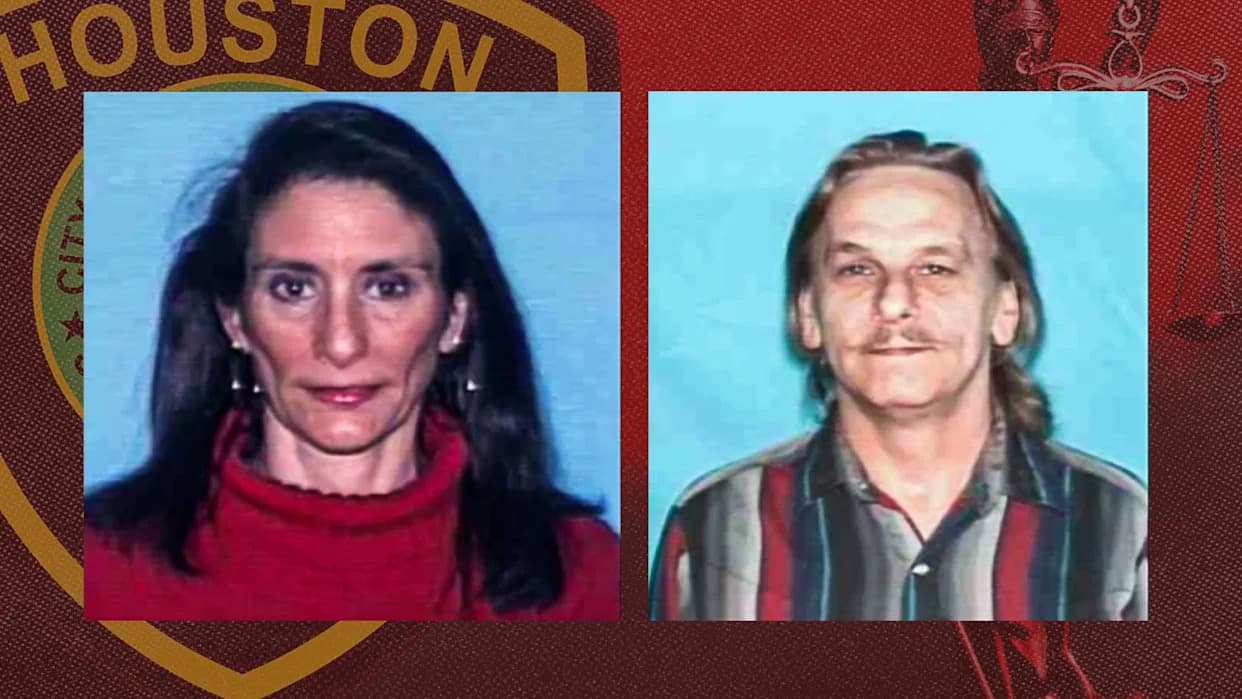
The 5th Circuit Says a Houston Cop Reasonably Killed 2 Innocent People Falsely Accused of Selling Heroin
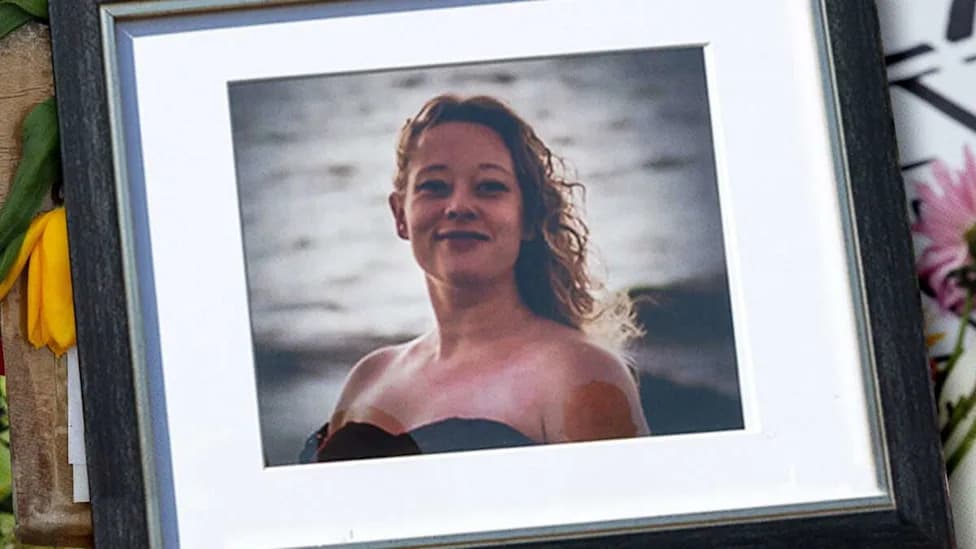
The U.S. Court of Appeals for the Fifth Circuit has ruled that Officer Felipe Gallegos "acted like an objectively reasonable officer" when he shot Dennis Tuttle and Rhogena Nicholas during a chaotic 2019 Houston no‑knock raid — overturning a lower court decision that had allowed civil‑rights claims to proceed.
What Happened
The raid grew out of a false tip and a fraudulent affidavit. Former Houston narcotics detective Gerald Goines obtained a no‑knock warrant based on a fabricated heroin sale; Goines has been sentenced to 60 years in prison for his role. Officer Steven Bryant later pleaded guilty to falsifying records and obstructing the federal investigation into the raid.
Firefight And Forensic Questions
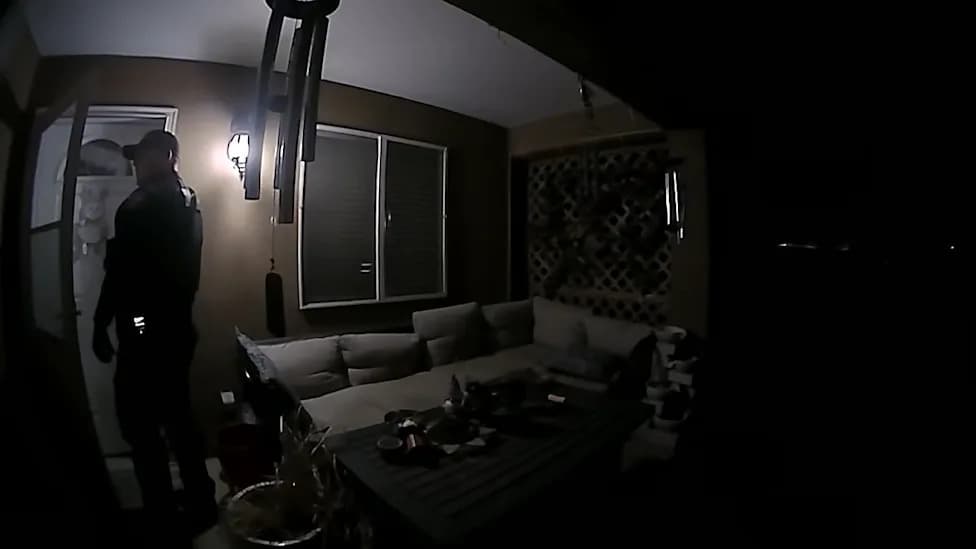
When officers breached the home on January 28, 2019, they immediately shot the couple's dog and then a rapid volley of gunfire erupted. Texas Ranger Jeff Wolf testified that officers fired at least 40 rounds during roughly 80 seconds after the entry. Autopsies showed nine bullets struck Tuttle and two struck Nicholas.
Forensic evidence raised troubling inconsistencies with the official account. Some wounded officers had injuries consistent with .223‑caliber rounds — the rifle rounds carried by officers — while Dennis Tuttle owned a .357‑caliber revolver. Plaintiffs’ expert concluded that at least some officers were likely hit by friendly fire and that Rhogena Nicholas was hit from about eight feet away, not standing over a wounded officer as one initial account claimed.
The Appeals Court Decision
A three‑judge Fifth Circuit panel, in an opinion by Judge Edith Brown Clement, reversed U.S. District Judge Alfred Bennett’s order that allowed relatives of the victims to pursue Fourth Amendment excessive‑force claims against Gallegos. The panel emphasized that courts should be cautious about "second‑guessing" split‑second decisions made during an intense, rapidly evolving gunfight — even when an officer's narrative appears inconsistent with the physical evidence.
"An objectively reasonable officer would have been justified in making a split‑second use of deadly force... given her actions under these tense, uncertain, and rapidly evolving circumstances," Judge Clement wrote regarding Nicholas.
Plaintiffs' Arguments
The plaintiffs argue Gallegos' explanations for the shootings conflict with ballistic and medical evidence. They contend Tuttle was effectively incapacitated by prior wounds before the fatal shots and that Nicholas was unarmed and not in the position Gallegos initially described. The plaintiffs say the forensic record undercuts Gallegos’ claimed perception of threat.
Responses And Next Steps
Mike Doyle, attorney for Nicholas's family, said he will appeal the Fifth Circuit decision. "Felipe Gallegos deliberately killed an unarmed woman on her own couch and then kept changing his story to justify something that's never justifiable," Doyle told the Houston Chronicle. Gallegos' lawyer, Rusty Hardin, called the ruling a vindication, saying the officer acted reasonably and lawfully.
The case highlights tensions between forensic evidence and legal standards for use of force: even when physical evidence raises questions, appellate courts sometimes defer to officers' split‑second judgments made under uncertain and dangerous conditions. The plaintiffs plan to continue pursuing relief, and the legal process is expected to move forward toward further appeals.
Help us improve.