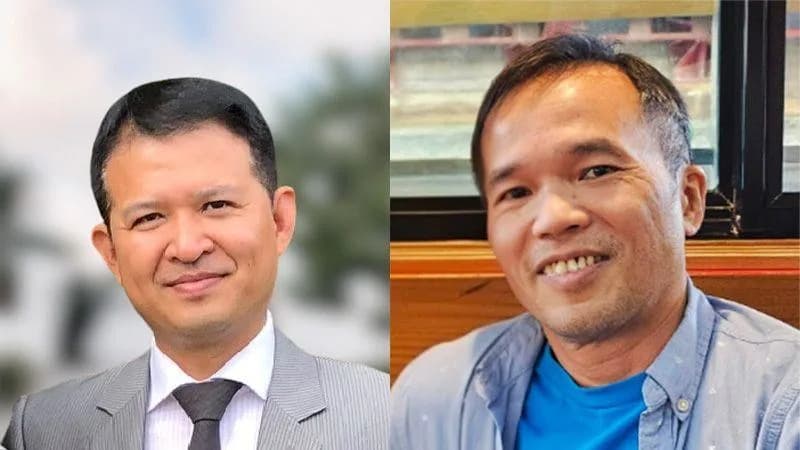
The Supreme Court of Cambodia has upheld treason convictions and 14-year sentences for two journalists who posted Facebook photos linked to border clashes with Thailand, prompting criticism from international and local rights groups. The government says the rulings are legally grounded and necessary to protect national security. Critics argue the reporters should have been tried under the press law, which carries lighter penalties. The decision comes amid wider concerns over shrinking space for dissent in Cambodia, which is ranked 161st in the 2025 World Press Freedom Index.
Cambodia Supreme Court Upholds 14-Year Sentences for Two Journalists, Sparking Press-Freedom Outcry
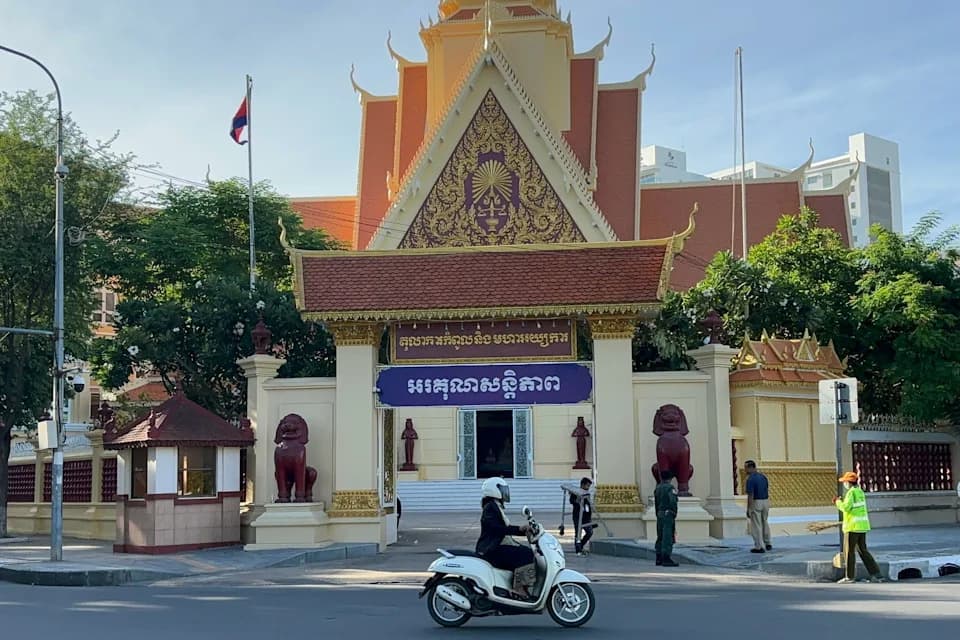
Exterior of the Supreme Court is seen in Phnom Penh Thursday, June 25, 2026. (AP Photo/Sopheng Cheang)(AP Photo/Sopheng Cheang)
PHNOM PENH, Cambodia — Cambodia's Supreme Court on Thursday upheld treason convictions and 14-year prison terms for two journalists who posted photographs on Facebook related to border clashes with Thailand, a decision that has drawn sharp criticism from rights groups and press freedom advocates.
The court confirmed the convictions of Phorn Sopheap of Battambang Post TV Online and Pheap Pheara of TSP 68 TV Online after a brief hearing. Defense lawyer Kang Pothe Vireak said the judges ruled the convictions were supported by Cambodian law.
“The bogus prosecution and draconian prison sentences handed down to these two journalists shows the Cambodian authorities’ disdain for media freedom,” Human Rights Watch deputy Asia director Bryony Lau told The Associated Press.
The government defended the ruling. Information Minister Neth Pheaktra said the court reached an independent judgment grounded in law and argued that Cambodia's legal framework both protects journalism and safeguards national security, political stability and national defense. He added that freedom of expression is constitutionally protected but not unlimited and does not confer immunity from criminal liability.
Background and Timeline
The two reporters were arrested in July while returning from reporting trips to the border after authorities accused them of posting images taken in a restricted military zone on Facebook. The journalists denied the charges, saying they had permission to be in the area where they took the photos.
One widely republished image showed land mines and was used by Thai media to support claims that Cambodia had laid new mines along the frontier, injuring patrolling Thai soldiers. Cambodia denied deploying new mines and suggested the devices could be remnants from conflicts that ended in the late 1990s.
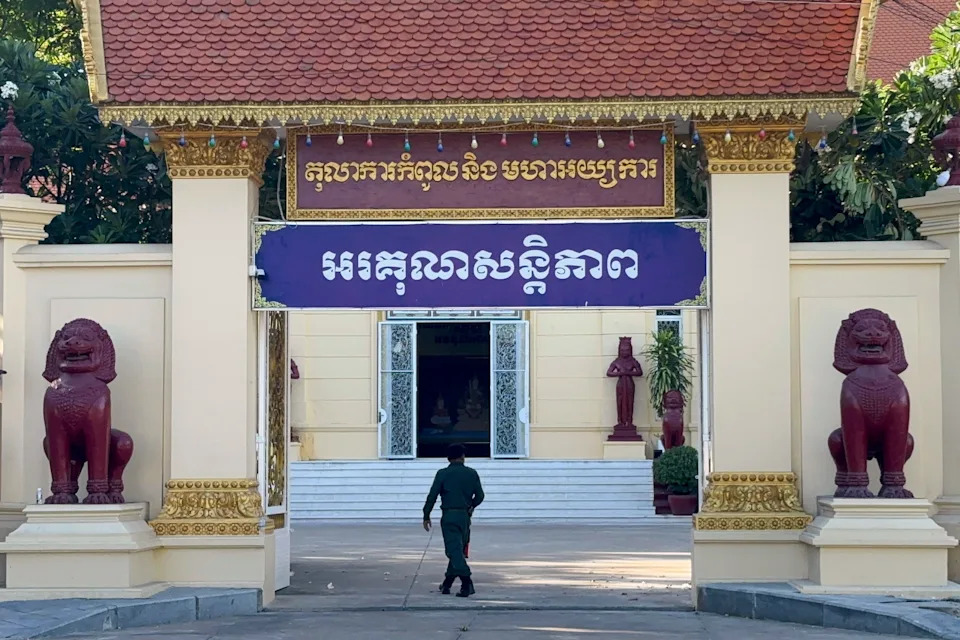
Exterior of the Supreme Court is seen in Phnom Penh Thursday, June 25, 2026. (AP Photo/Sopheng Cheang)(AP Photo/Sopheng Cheang)
In December, a Siem Reap Provincial Court convicted the men of treason, finding they had supplied a foreign state with information prejudicial to national defense, and sentenced each to 14 years' imprisonment. A lower court of appeal upheld the verdicts in March, and the Supreme Court's decision now confirms the sentences.
Reactions and Wider Context
More than a dozen national and international journalism associations sent a joint letter urging the government to withdraw the case after the convictions were sustained on appeal. Local rights group Licadho's operations director Am Sam Ath said the journalists should have been prosecuted under Cambodia's press law, which guarantees press freedom but allows restrictions for national security, defamation and public order and carries lighter penalties than the penal code.
The ruling follows another recent high-profile decision by the same court: it upheld the incitement conviction of opposition figure Rong Chhun, a case activists say is part of a pattern of legal actions used to silence critics. Cambodia ranked 161st out of 180 countries in Reporters Without Borders' 2025 World Press Freedom Index, a position classified as 'very serious' for press freedom.
The July and December border clashes displaced hundreds of thousands of people in both Thailand and Cambodia and killed around 100 soldiers and civilians. There has been no new large-scale fighting since a December ceasefire, though tensions remain high along parts of the frontier.
Reporting from Bangkok and Phnom Penh.
Help us improve.