
Metula, a small Israeli border town, is deeply skeptical that any US-brokered ceasefire will halt fighting with Hezbollah. More than 60% of homes were damaged and many residents remain displaced since October 2023. Diplomatic talks in Washington exclude Hezbollah, and competing demands from Iran and Israel complicate a lasting agreement. Locals fear that any withdrawal of troops from the border would leave their communities exposed.
“What Ceasefire?” — Metula Residents Doubt Any Deal Will End Fighting With Hezbollah
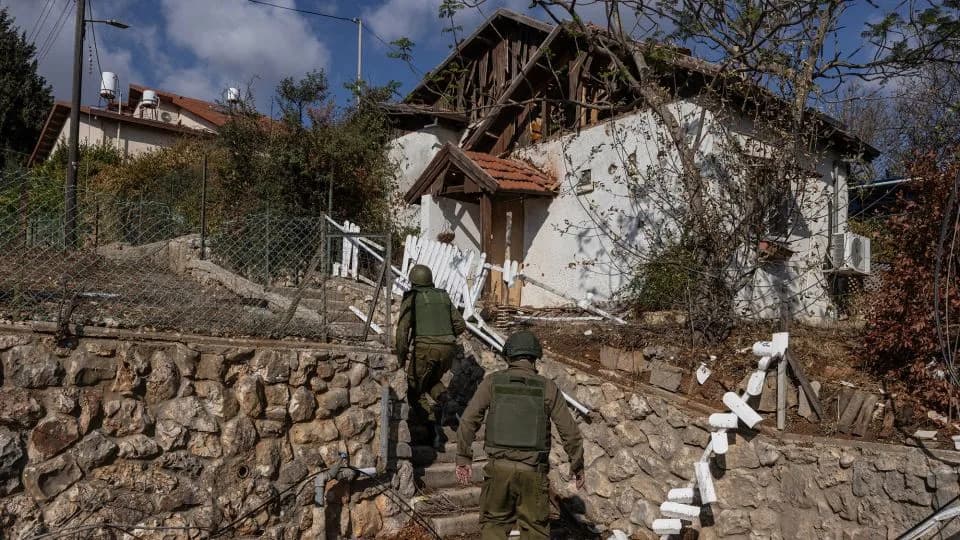
A picture taken during an organised tour by the Israeli army shows soldiers in front of a house hit by Hezbollah rockets in the deserted northern Israeli town of Metula on November 4, 2024. - Menahem Kahana/AFP/Getty Images
In Israel’s northernmost town, Daniel Dorfman already expects his pizza shop to be near-empty all day — as it has been for weeks. A couple of customers sit at two corner tables; the rest of the restaurant, like much of Metula, is deserted.
Perched on a narrow finger of land that juts into Lebanon, Metula was once a bustling tourist hub. Founded more than 130 years ago and nicknamed “Europe” for its hotels and cafés, the town’s main street, HaRishonim, now shows the scars of repeated cross-border fighting.
Daily Life and Deep Skepticism
The announcement of a new U.S.-brokered ceasefire in Lebanon this month was met locally with skepticism and sarcasm.
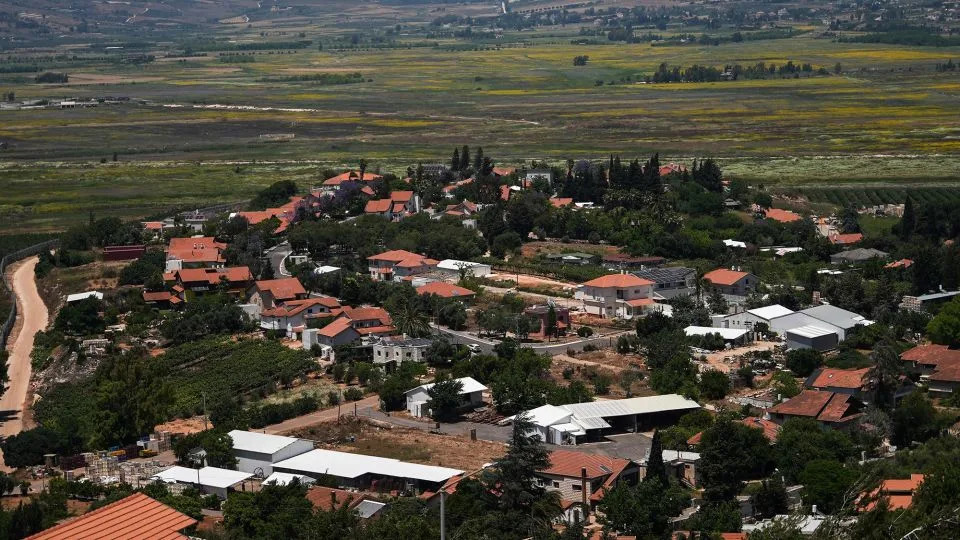
The northern Israeli town of Metula near the Israel-Lebanon border, in northern Israel on June 9. - Miro Maman/Reuters
“What ceasefire?” Dorfman asked. “Until yesterday there wasn’t a single day without fire. Interceptions overhead, explosions, drones, artillery. I’ve lost count of how many times we’ve been told there’s a ceasefire. It never really is.”
Home to about 2,000 people before the war, Metula has long lived with cross-border tensions. But since October 2023 — when Hezbollah began launching rockets at northern Israel in solidarity with Hamas — the town has been among the hardest hit. More than 60% of homes were damaged, and between a third and a half of former residents have not yet returned.
Diplomacy, Exclusions and Limits
Israeli and Lebanese ambassadors are scheduled to meet in Washington as part of ongoing efforts to curb the fighting, but Hezbollah is not participating and has dismissed those talks as “a farce.” Reports suggest Israel may consider a limited, symbolic pullback as a gesture to Lebanon’s government. At the same time, Iran has made a halt to the conflict in Lebanon a key condition in its wider negotiations with the United States, complicating diplomacy.
Previous pauses brokered by U.S. mediation held for months at a time, but they have repeatedly broken down. Most recently, exchanges of fire surged after retaliatory strikes and counterstrikes in the region, drawing Lebanon deeper into a broader confrontation and prompting a renewed Israeli ground operation.
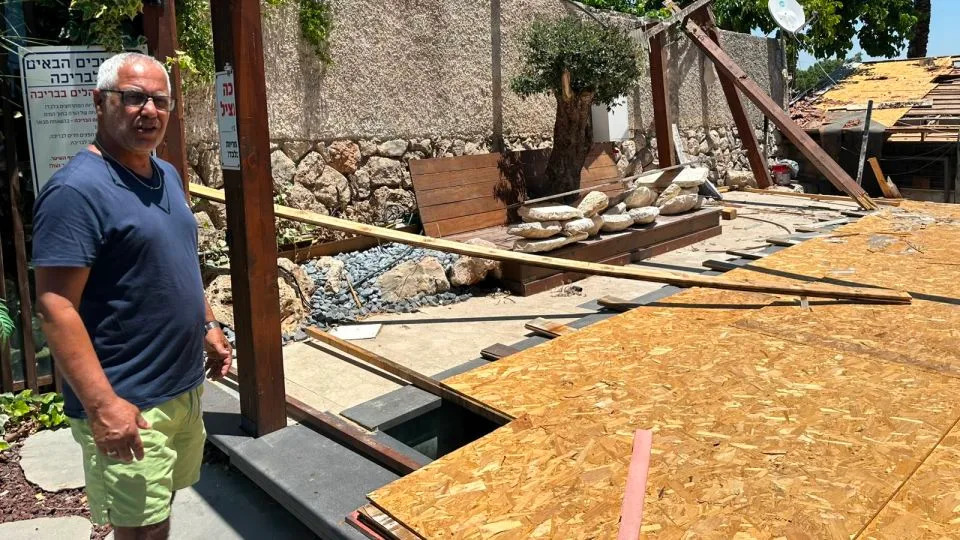
Moti Aharon surveys the damage from a Hezbollah projectile that hit his property. He refuses to leave Metula, even as he doubts the value of the latest ceasefire. - CNN
Human Cost and Military Moves
According to Lebanon’s health ministry, more than 4,000 people have been killed and over a million displaced in Lebanon. The Israeli military reports that dozens of soldiers and a small number of civilians have been killed in northern Israel and in operations across the border, while thousands of rockets and drones have been fired into Israeli territory.
Israel says it has pushed forces roughly 10 kilometers into southern Lebanon to create a security buffer zone and that its operations have uncovered and destroyed tunnel networks, weapons caches and other infrastructure it attributes to Hezbollah. Prime Minister Benjamin Netanyahu and his allies have framed the military presence as necessary to prevent infiltration; critics warn of a long-term security commitment that could entrench the conflict.
Voices From Metula
Residents express frustration that decisions are made far from the day-to-day dangers they face. Moti Aharon, 58, who has endured decades of escalation, said his century-old home was struck twice and his guesthouses and pool are unusable. “We don’t feel any ceasefires,” he said. “The Americans don’t understand who they are dealing with. They think they can talk to Iran with silk gloves. It won’t work.”
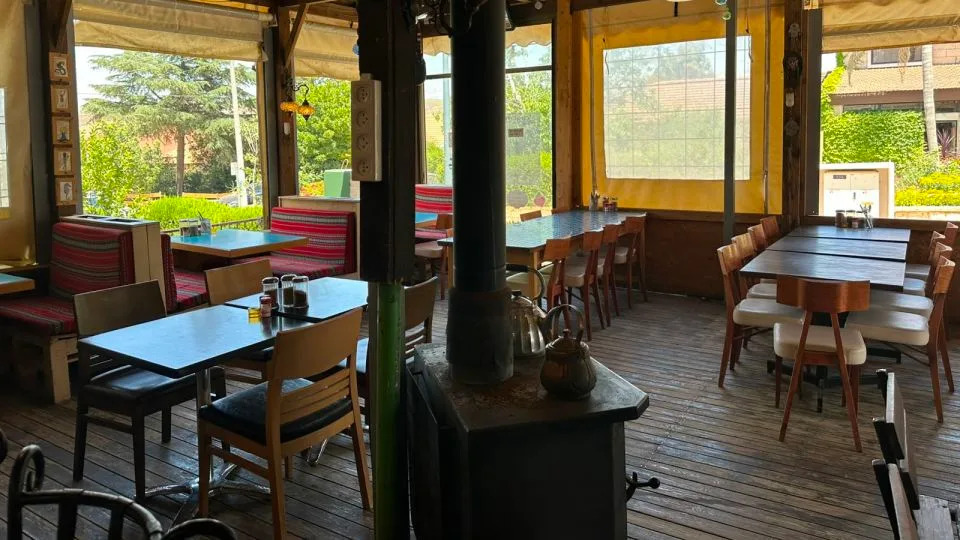
Ayuni, a pizza restaurant along the main street in Metula, sits empty during what once would have been a midday rush of customers. - CNN
Mayor David Azulai, a vocal critic of the government’s handling of the north, posted that national decisions “don’t speak to us at all,” calling the prime minister subordinate to outside interests. Young residents share the anxiety: Niv Shisler, 24, who moved to Metula last November, said his neighbor is an anti-missile battery and that “with every explosion, my heart jumps.” He fears a deal that withdraws troops from the frontier could leave communities vulnerable.
From the bar of his restaurant, Dorfman points across the valley to a hill where a Hezbollah flag once flew. “So what, we’re supposed to live with that?” he asked. “They’ll be back on the border, waiting to do what Hamas did in the south. If I see Hezbollah flags on the fence again, I won’t stay either.”
The town’s predicament underscores the limits of diplomacy where armed groups are excluded from negotiations and deep mistrust remains on all sides. For now, many in Metula say, the only certainty is continued uncertainty.
Help us improve.





















