
The US–Israeli campaign involving strikes on Iran and related fighting across the region has officially caused thousands of deaths, with combined official figures from Iran and Lebanon exceeding 7,300. Independent monitors report higher tolls and document large numbers of civilian casualties, including children and healthcare workers. Experts caution that access restrictions, internet shutdowns and political pressure mean the true death toll is likely undercounted and may remain disputed for years.
Thousands Killed in US–Israeli Campaign With Iran — True Toll Likely Higher, Experts Warn
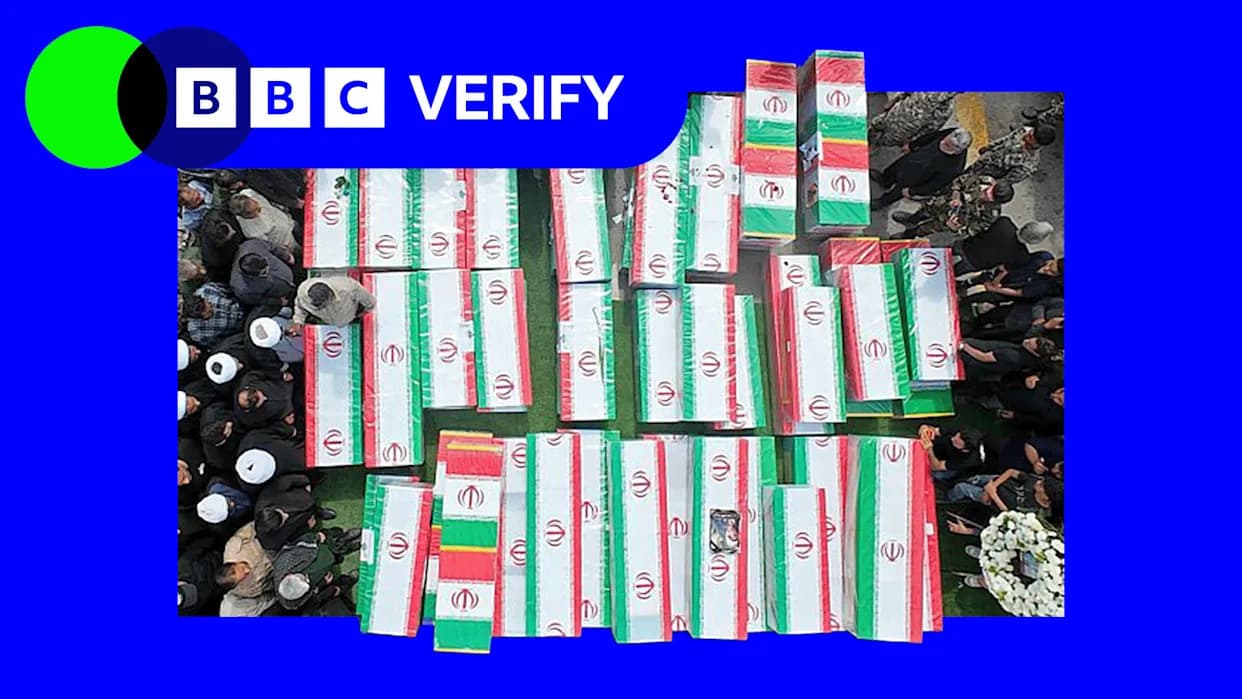
[BBC]
Official tallies show thousands of deaths across the Middle East since a US–Israeli campaign against Iran began in February, and a ceasefire agreement has been reported to end the immediate phase of fighting. While combined official figures from Iran and Lebanon exceed 7,300 fatalities, independent monitors and experts say the true number is almost certainly higher and may never be fully known.
Official Figures and Independent Counts
By mid-April, Iranian government statistics recorded at least 3,468 deaths since strikes began, including 499 women (1,460 civilians and 2,008 military personnel), according to state news agency IRNA (26 April). The US-based monitoring group Human Rights Activists News Agency (HRANA) reported a higher figure — 3,636 deaths — in a 18 May report that listed 1,701 civilians (including 307 children), 1,221 military personnel and 714 people of unconfirmed status.
[Reuters]
In Lebanon, the health ministry reported 3,912 confirmed deaths from Israeli strikes, including 366 women and 247 children. It is not clear how many of those killed were fighters rather than civilians; Hezbollah has not published its own comprehensive casualty figures. Israeli government figures to the BBC list 60 deaths in Israel — including 29 civilians and 31 soldiers.
Notable Incidents
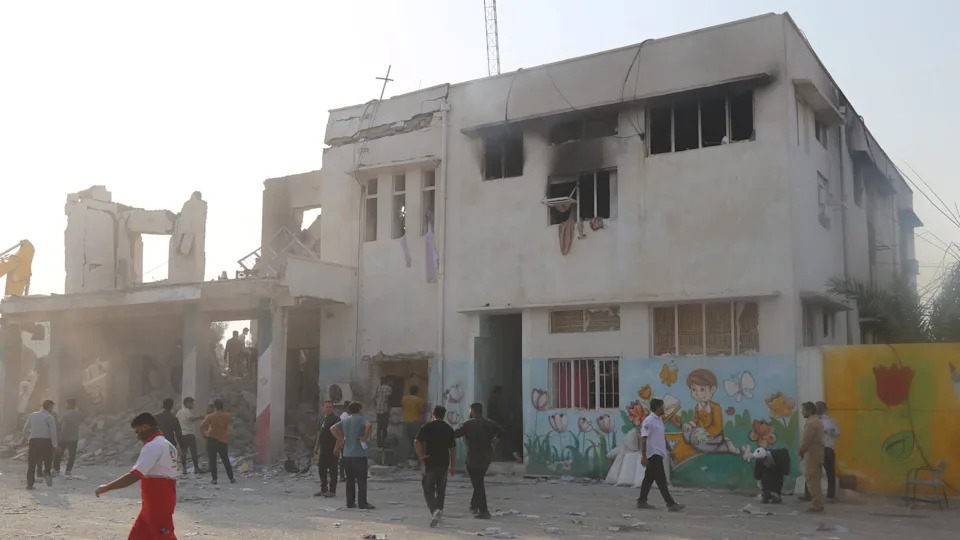
Investigations and official claims cite several high-casualty incidents: Iranian authorities say a missile strike hit a school in Minab on the opening day, killing 168 people (including 110 children), a strike the US military has said it is investigating. Iranian officials also reported a missile strike on a sports hall in Lamerd that killed 20 people during a girls' volleyball match; weapons experts who spoke to BBC Verify said a US-made Precision Strike Missile (PrSM) was likely used, though the US denied responsibility.
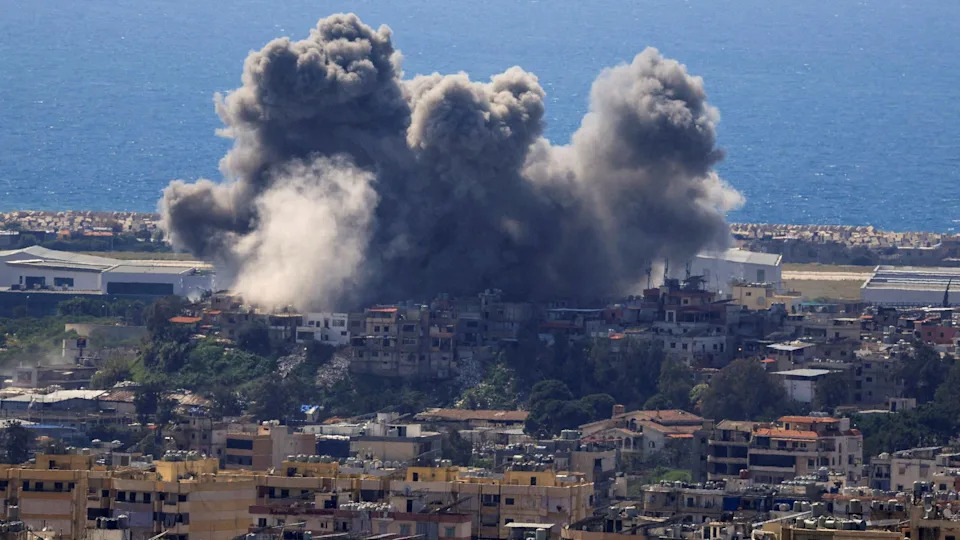
Smoke rises following an Israeli strike on the southern suburbs of Beirut [Reuters]
On 8 April, Lebanese authorities reported a concentrated wave of Israeli strikes that killed at least 361 people in about 10 minutes; the IDF said it targeted dozens of Hezbollah operatives that day, while Lebanese officials said most victims were civilians. The United Nations has reported seven UN peacekeeper deaths in Lebanon during the fighting.
Regional Impact
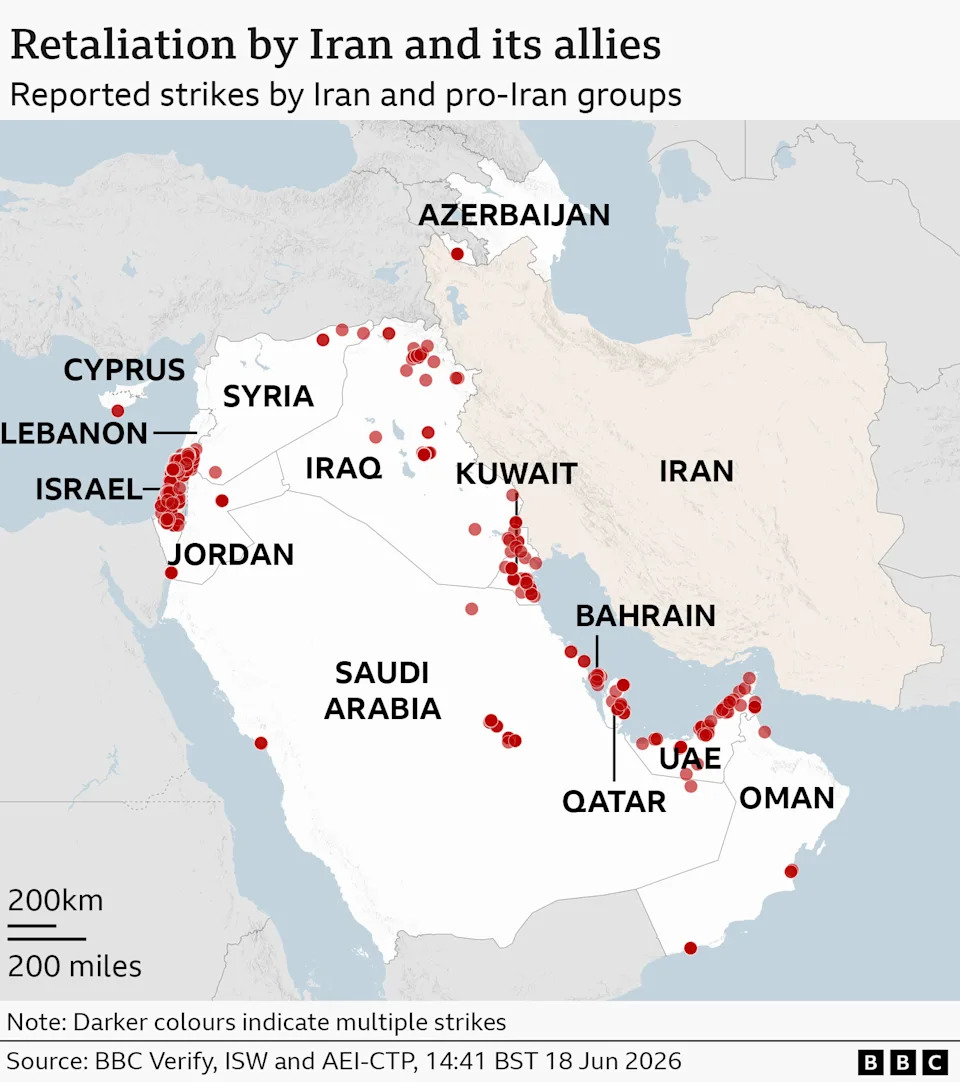
Iranian retaliation included ballistic missiles and explosive drones that struck or fell onto civilian facilities in multiple countries hosting US forces. BBC Verify documented attacks on military bases across eight countries: Saudi Arabia, the UAE, Qatar, Kuwait, Iraq, Jordan, Bahrain and Oman. Other reported victims include at least 13 US military personnel (seven killed in Iranian attacks and six in a refuelling plane crash) and 14 sailors killed in strikes on vessels in and around the Strait of Hormuz, according to the International Maritime Organization.
[BBC]
Why the Final Toll Is Uncertain
Experts say casualty figures are likely undercounts because of limited access to battle sites, damaged infrastructure, government-imposed internet shutdowns, media restrictions and political pressure on families not to speak. Dr Iain Overton, executive director of Action on Armed Violence, told BBC Verify that fighting across multiple countries makes counts "often incomplete, delayed or impossible to independently verify," and that the final death toll "will likely remain contested" for years.
Human Rights Concerns: Organisations such as Human Rights Watch have accused Iran of using cluster munitions in populated areas, calling such attacks indiscriminate and a potential violation of the laws of war.
What This Means
Current public totals provide a partial picture of the human cost. Independent monitors describe their documented figures as "absolute minimums." Given the scale of the violence, disruption to reporting, and the presence of non-state armed groups in some areas, analysts warn that the final casualty total will probably remain disputed and could be substantially higher than official counts suggest.
BBC Verify asked readers: What should we investigate next?
Help us improve.





















