
The provisional U.S.‑Iran ceasefire signed on June 17, 2026, includes language meant to halt hostilities on multiple fronts, explicitly mentioning Lebanon. However, the agreement does not require Israeli withdrawal from occupied areas, and recent Israeli strikes and threats to occupy southern Lebanon have already undermined Washington’s de‑escalation efforts. The deal risks eroding Lebanese sovereignty and could entrench Iranian influence via Hezbollah unless accompanied by clear enforcement and diplomatic follow‑through.
US‑Iran Provisional Ceasefire Puts Lebanon’s Future at Risk as Israel Signals It Will Spoil the Deal
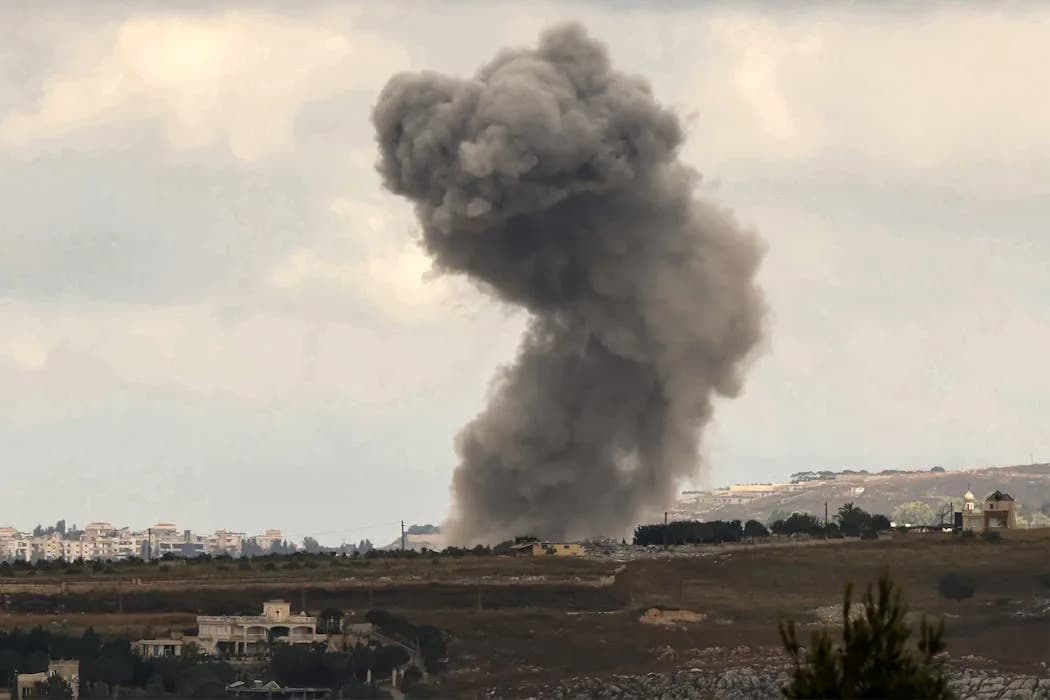
Smoke rises from Israeli bombardment near the village of Kfar Tibnit in southern Lebanon on June 14, 2026.AFP via Getty Images
The United States and Iran signed a provisional ceasefire agreement on June 17, 2026. While the accord offers a chance to reduce regional violence and to reopen critical shipping lanes such as the Strait of Hormuz, its implications for Lebanon are unclear and potentially destabilizing.
What the Agreement Covers
Although presented as a bilateral memorandum of understanding, Tehran successfully pushed for language intended to halt hostilities on multiple fronts — explicitly including Lebanon. The U.S. text of the agreement references Lebanon’s territorial integrity, but it does not explicitly require Israeli withdrawal from occupied areas, leaving a significant gap in implementation and enforcement.
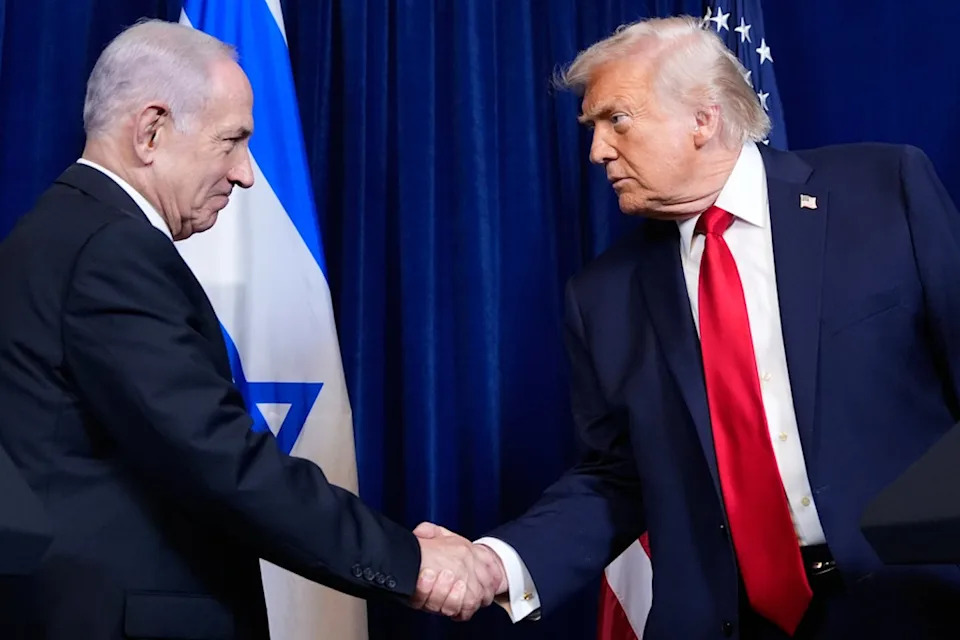
President Donald Trump shakes hands with Israeli Prime Minister Benjamin Netanyahu during a news conference at Mar-a-Lago in late 2025.AP Photo/Alex Brandon
Immediate Reactions and Escalation
Israeli Prime Minister Benjamin Netanyahu — reportedly excluded from the negotiations — reacted strongly after reports of the emerging pact, saying Israel would occupy southern Lebanon "indefinitely." Israel also carried out airstrikes that killed civilians in Lebanon, actions that President Donald Trump publicly criticized. Trump has also suggested, on more than one occasion, that Syria could be used to apply force against Hezbollah — comments that risk reviving memories of Syria’s long and controversial role in Lebanon.
How Lebanon Became Central
Lebanon’s inclusion in the ceasefire framework stems in part from Hezbollah’s retaliation following a U.S.‑Israeli strike on Iran in late February 2026. Hezbollah — aligned with Tehran — reopened hostilities along the Israel‑Lebanon border, reigniting a simmering front. Lebanon subsequently filed a formal complaint at the U.N. Security Council in May, accusing Iran of interfering in its sovereign affairs and violating diplomatic norms.
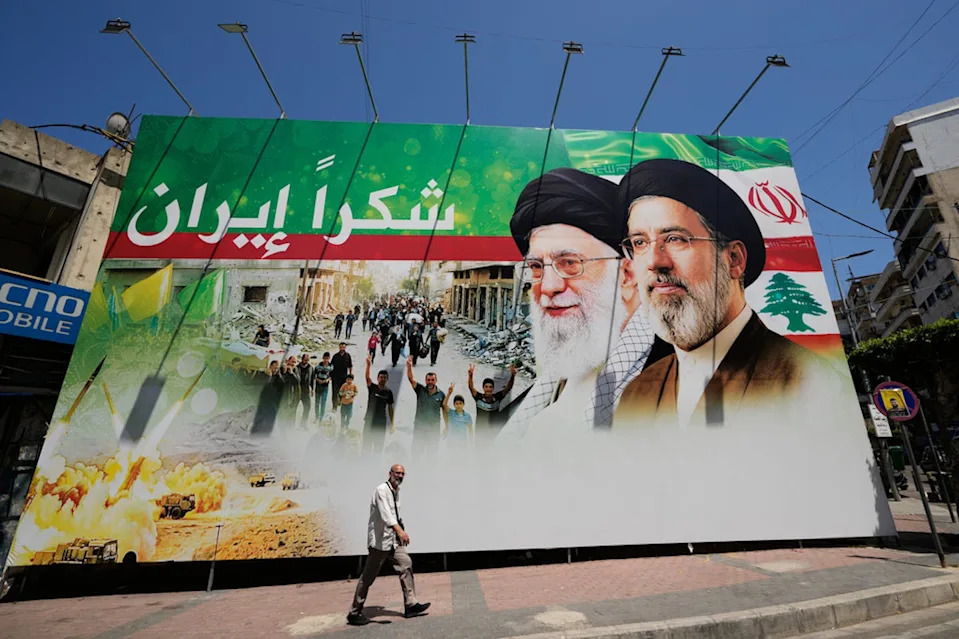
A man passes by a giant billboard in south Beirut that shows the late Iranian leader Ayatollah Ali Khamenei, center, and Iranian Supreme Leader Ayatollah Mojtaba Khamenei, with Arabic writing that reads: ‘Thank you Iran.’AP Photo/Hussein Malla
Historical Parallels: Lessons From 1982
History shows the dangers when U.S. influence fails to restrain Israeli military operations. In 1982, Israel’s invasion and siege of Beirut killed thousands and prompted the deployment of a multinational peacekeeping force after U.S. protests. U.S. leaders at the time — including President Ronald Reagan — pleaded for restraint; Reagan reportedly told Israeli Prime Minister Menachem Begin, "Menachem, this is a holocaust." Yet Israel continued operations that endangered multinational forces, despite receiving weapons and political support from Washington.
Key Risks and Uncertainties
Several uncertainties will determine whether the ceasefire can stabilise Lebanon:
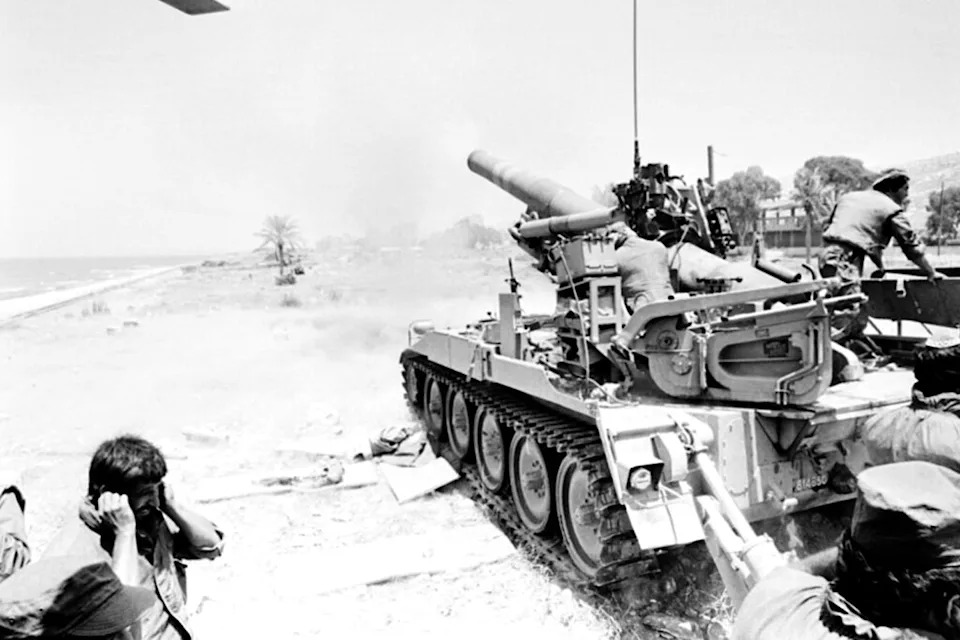
Israeli troops cover their ears as they fire their American-made howitzer in June 1982.AP Photo/Harry Koundakjian
- Israel’s Intentions: The agreement’s lack of an explicit Israeli withdrawal clause risks leaving Lebanese territory under occupation or threat of annexation.
- Hezbollah’s Role: The deal may inadvertently entrench Tehran’s influence in Lebanon through Hezbollah, unless accompanied by clear measures to protect Lebanese sovereignty and political independence.
- External Interventions: Public mentions of Syria or other foreign forces raise the specter of renewed foreign dominance in Lebanon and could inflame sectarian tensions.
- U.S.–Israeli Frictions: A visible rift between Washington and Jerusalem over Lebanon could undermine the broader deal with Iran and complicate planned Israel‑Lebanon talks in Washington.
What Comes Next
The success of the U.S.‑Iran provisional ceasefire as it relates to Lebanon depends on the near‑term actions of Israel, Iran and Hezbollah — and on whether Washington can sustain a consistent policy that reconciles de‑escalation with respect for Lebanese sovereignty. Planned direct talks between Lebanese and Israeli representatives in Washington could offer a diplomatic outlet, but they will proceed under the shadow of continuing military activity and deep mistrust.
Conclusion
The ceasefire offers a fragile pause in a broader regional confrontation, but without clearer provisions on territorial withdrawal, stronger protections for Lebanon’s sovereignty, and co‑ordinated enforcement, the deal may simply relocate or delay conflict rather than resolve it. For now, Lebanon remains vulnerable to the ambitions and tensions of its larger neighbours and to the uneven application of international influence.
Author Note: This analysis synthesises reported statements and publicly available documents about the June 17, 2026 provisional agreement and related events. Some details — including private conversations and internal deliberations — remain the subject of reporting and may evolve.
Help us improve.





















