
Israeli forces struck targets in southern Lebanon on June 17 as leaders prepared to sign a reported U.S.–Iran memorandum on a cease-fire. Exchanges between Israel and Hezbollah have continued despite a separate weekend cease-fire, with Israeli airstrikes and Hezbollah rocket and drone attacks. Lebanese media reported at least four fatalities in the Nabatieh area, and Iran warned of a "harsh response" if attacks persist. U.S. President Donald Trump publicly criticized Israel's response at the G7, calling for greater restraint.
Israel and Hezbollah Trade Strikes as Regional Leaders Prepare US–Iran Cease-Fire Accord
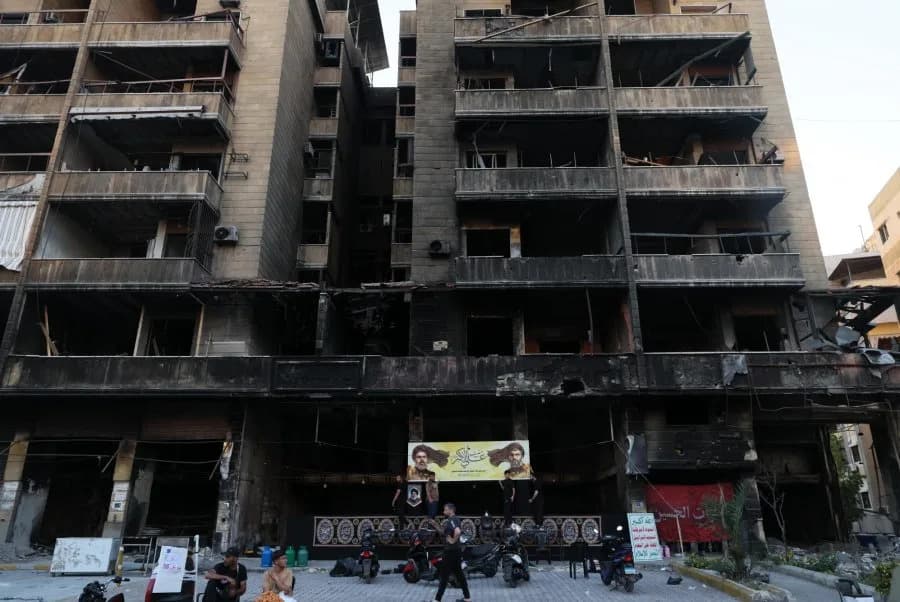
Supporters of Hezbollah hang a banner depicting portraits of late Hezbollah leaders Hassan Nasrallah (R) and Hashem Safieddine in a partially damaged building targeted by an Israeli strike, during the first day of Ashura in the southern suburbs of Beirut, Lebanon, Wednesday. Israel and Lebanon have been trading strikes for several days. Photo by Wael Hamzeh/EPA
Israeli forces carried out strikes inside southern Lebanon on June 17 as regional leaders prepared to sign a reported United States–Iran memorandum of understanding on a cease-fire scheduled for Friday. Exchanges of fire have continued despite a separate cease-fire reached between Israel and Hezbollah on Sunday.
What Happened
Field reporters and regional outlets said Israeli aircraft struck near Kfar Tebnit in the Nabatieh district, launched raids on Nabatieh al-Fawqa, shelled the Ali al-Taher heights and fired on the outskirts of nearby towns. Lebanese media reported that at least four people were killed in strikes in the Nabatieh area.
Hezbollah responded with rocket and drone attacks. The Israeli army reported that an explosive-laden Hezbollah drone detonated near its troops in southern Lebanon, wounding four soldiers; minutes later a second drone exploded and wounded another soldier.
Regional Reactions
Naim Qassem, a senior Hezbollah official, called the reported U.S.–Iran memorandum a "great victory" in a televised address and urged Lebanon to press for the withdrawal of Israeli forces to restore sovereignty. Lebanese President Michel Aoun said he would pursue an "independent path" in negotiations with Israel while expressing support for a cease-fire and welcoming assistance from "any country that helps us, including Iran," according to the BBC.
Iran warned that it would deliver a "harsh response" if strikes in Lebanon continued, while Al Jazeera noted a dip in the scale of violence since the memorandum was announced but said attacks had not ceased.
U.S. Criticism
"I think they could do better with respect to Hezbollah. I am not saying they should not protect themselves. I am saying when two drones are shot into the desert and dropped harmlessly, you do not have to knock down buildings in Beirut. They could behave better and, frankly, they could do a better job."
President Donald Trump made these remarks at a G7 press conference in Évian-les-Bains, France, signaling frustration with Israeli operations.
Situation On The Ground
While the reported U.S.–Iran memorandum appears to have reduced the intensity of clashes, both sides have continued intermittent attacks, including airstrikes, rocket fire and the use of unmanned aerial devices. Casualty reports and claims from each side remain difficult to independently verify amid the fluid security situation.
Sources: BBC, Al Jazeera, local Lebanese outlets and statements released by the Israeli military.
Help us improve.





















