
The US‑Iran ceasefire prompted displaced families to tentatively return to southern Lebanon, but many remain doubtful the lull will hold. The truce’s text has not been published, and mediators say it includes Lebanon — yet crucial questions remain: Israeli‑held territory, who will finance reconstruction, and Hezbollah’s weapons. With over 3,800 reported dead and roughly one million displaced, Lebanon faces a fragile moment even as a tentative calm takes hold.
Fragile Calm in Southern Lebanon After US‑Iran Truce Leaves Key Questions Unanswered
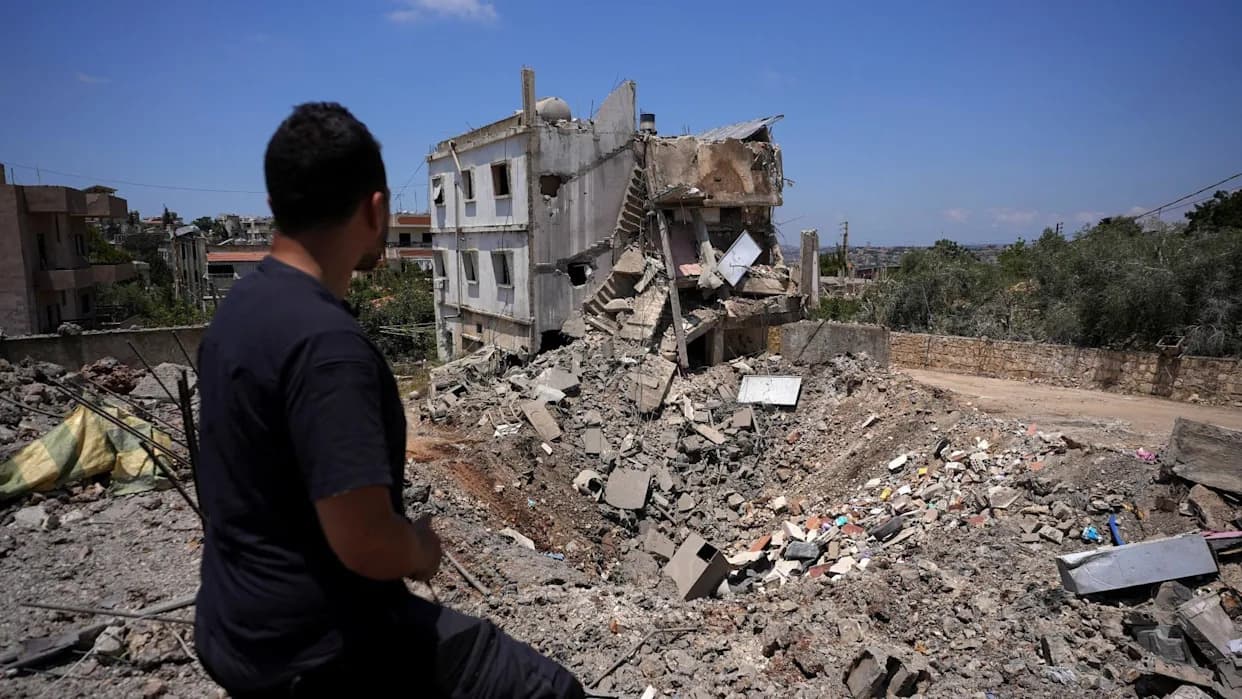
An estimated 50,000 homes have been damaged or destroyed in Lebanon during the war [Reuters]
Hours after Washington and Tehran announced a ceasefire agreement, displaced families cautiously began returning to towns in southern Lebanon, even as authorities warned it was not yet safe. Video clips widely shared online showed residents arriving by car in one village only to find an Israeli armoured vehicle blocking a street.
Local Return, Lingering Fear
Worn down by more than three months of fighting, many Lebanese hoped the truce would halt the spillover fighting between Israel and the Iran‑backed group Hezbollah. A tentative calm appears to have settled in parts of the country, despite reports of Israeli and Hezbollah strikes within the previous 24 hours. Yet many residents remain sceptical that the lull will last.
Abo Ali, displaced from Jebchit in Nabatieh: "We have returned, but with caution. All of this can be compensated for, and rebuilt."
Moustafa, returning to Aadshit near Marjayoun, carrying a single suitcase: "For someone who has lived here, to come back and see this destruction is extremely hard. Israel can't be trusted."
What the Truce Does — and Does Not — Say
The text of the US‑Iran agreement has not been released publicly, and it remains unclear how — or whether — it will be enforced in Lebanon. Iran and Pakistan, which acted as mediator, have both said the deal includes a ceasefire in Lebanon, a key Iranian demand that had stalled negotiations.
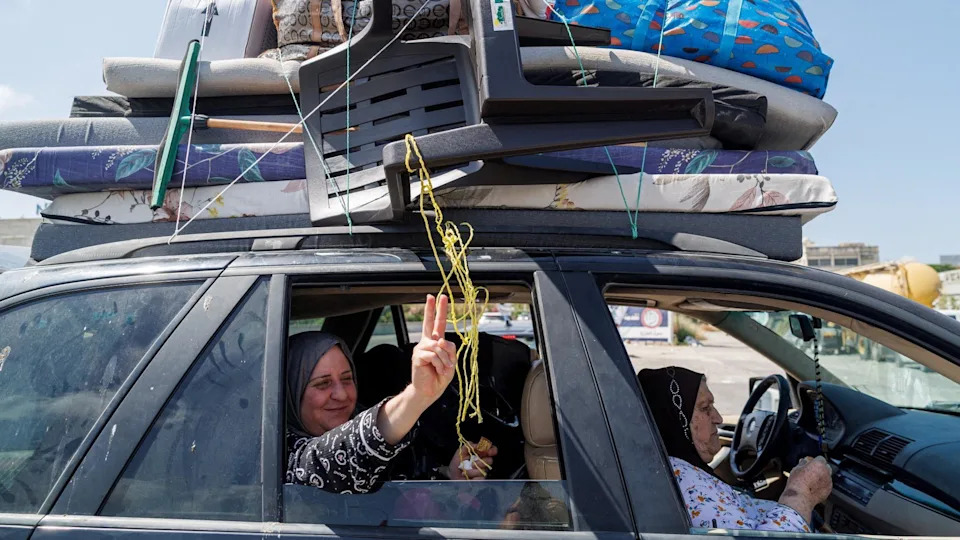
One million people remain displaced across Lebanon, most of them Shia Muslims [Reuters]
How the Fighting Escalated
This round of conflict intensified in March after a sequence of cross‑border attacks and targeted strikes that escalated tensions between Israel and Iran‑aligned forces. Hezbollah fired rockets toward Israel; Israel responded with a heavy bombing campaign across Lebanon and incursions into the south.
Human Cost and Displacement
The toll on Lebanon has been devastating. The Lebanese health ministry reports more than 3,800 people killed (its figures do not distinguish combatants from civilians). The Israeli military says it has killed over 2,500 Hezbollah operatives; Israeli authorities report about 30 Israeli soldiers and four Israeli civilians killed. Around one million people remain displaced across Lebanon, most from Shia communities, and many could be unable to return home even if hostilities pause.
Unresolved Strategic Issues
Key questions remain unanswered:
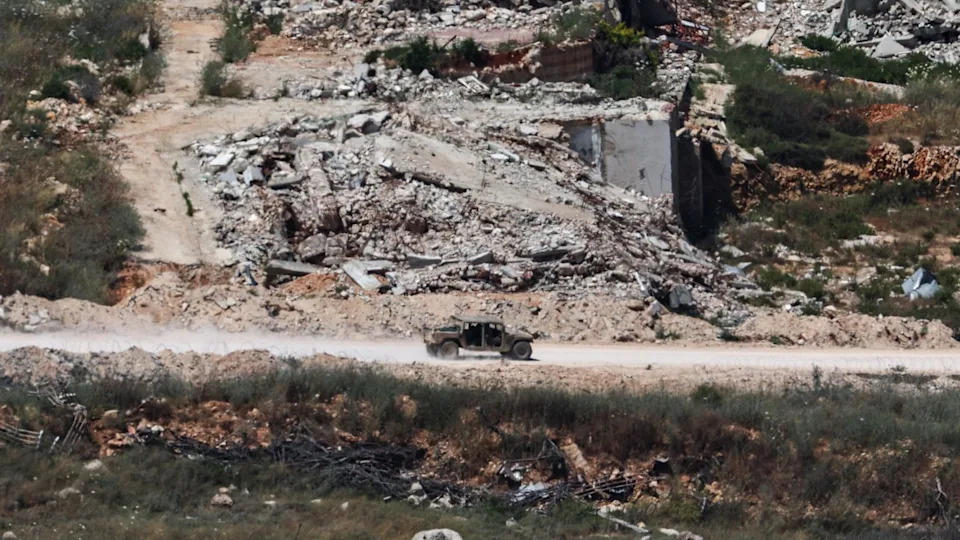
Israel's government says Israeli forces will remain indefinitely in occupied parts of southern Lebanon [EPA]
- Territorial Control: Around 5% of Lebanon's territory is under Israeli control, and there is no clear indication of an Israeli withdrawal. Israeli officials say they aim to establish a long‑term security zone along the border to prevent Hezbollah attacks, and some statements indicate Israel may remain in seized areas indefinitely.
- Reconstruction: Dozens of villages have been destroyed; there is no timeline for rebuilding and no agreement on who will finance reconstruction.
- Hezbollah's Arsenal: Hezbollah has refused to negotiate disarmament. The Lebanese government says any change to the group's weapons would need to be resolved through diplomacy, but a negotiated solution appears distant.
Politics and Public Opinion
For Tehran, securing Lebanon's inclusion in the truce bolsters its standing among Hezbollah supporters and reinforces influence at home. Despite battlefield losses, Hezbollah remains a potent political and social force in Lebanon, running schools, hospitals and other services. Critics long accuse the group of drawing Lebanon into conflicts that serve Iranian interests. Some Lebanese see the ceasefire as a chance to press for steps that would limit Hezbollah's military role; for now, the group has rejected disarmament talks.
Why Many Remain Wary
Many Lebanese are sceptical: previous ceasefire announcements failed to halt the fighting, and the 2024 deal that briefly ended the last major flare‑up did not stop subsequent Israeli strikes on alleged Hezbollah targets. Observers warn that unless political and security arrangements are resolved and reconstruction funds secured, the country risks returning to the same destructive cycle once international attention shifts away.
Reporting includes statements from local residents, official casualty figures from Lebanese and Israeli authorities, and public comments from mediators involved in the truce.
Help us improve.





















