
Israel has said it will keep forces in southern Lebanon indefinitely despite a newly announced U.S.–Iran agreement. Defense Minister Israel Katz warned of a "full force" response if Iran retaliates over developments in Lebanon. National Security Minister Itamar Ben‑Gvir rejected the deal as inadequate for Israeli security and insisted Israel will make independent defense decisions. The U.S.-Iran accord, announced by President Trump, comes amid reported tensions between Washington and Jerusalem.
Israel Vows Indefinite Military Presence in Southern Lebanon, Rejects U.S.–Iran Accord
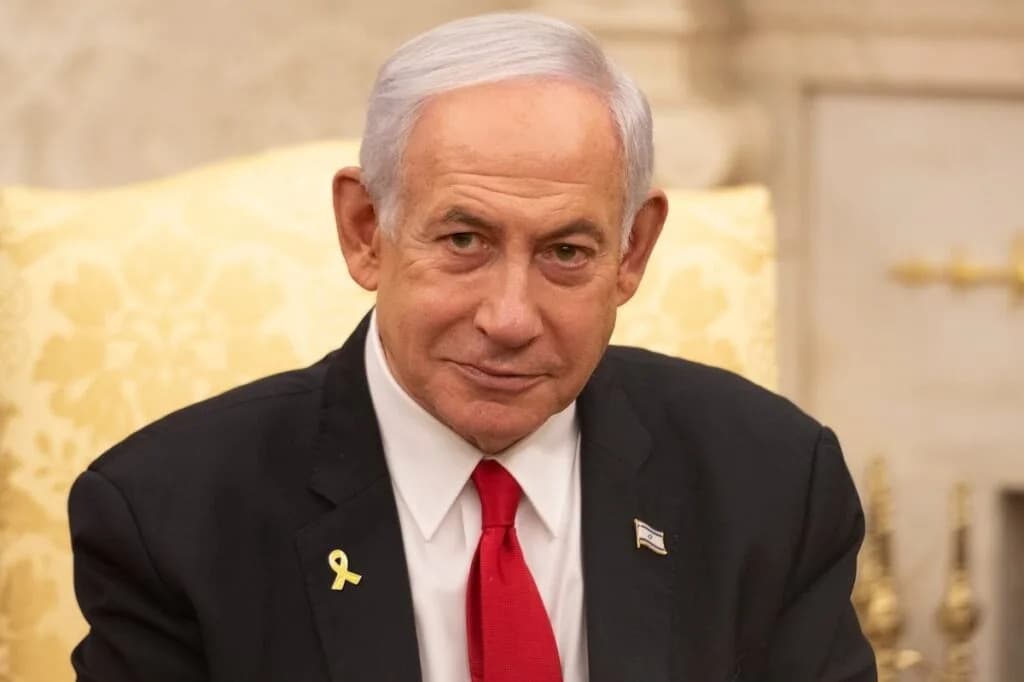
Israel Vows Indefinite Presence In Lebanon Despite US-Iran Peace Deal: 'We Are Not Partners To This Agreement'
Israel has announced it will maintain an open-ended military presence in southern Lebanon as it continues operations against the Iran-backed Hezbollah, despite a recently publicized U.S.–Iran peace agreement.
Officials Signal Continued Operations
Defense Minister Israel Katz warned on Monday that Israel would respond "with full force" if Iran were to escalate or attack Israel in reaction to events in Lebanon. Katz said the government would not compromise on its security interests or the protection of Israeli citizens, and pledged that Israeli forces would remain in security zones in Lebanon, Syria and Gaza "without any time limit."
There was no immediate public comment from Prime Minister Benjamin Netanyahu. Several members of his coalition told the Times of Israel that Israel would "not be bound" by the terms of the U.S.–Iran agreement.
Rejection From Key Security Ministers
National Security Minister Itamar Ben‑Gvir sharply rejected the agreement, saying it does not bind Israel and does not adequately safeguard Israeli security. He argued Israel should not withdraw from territories captured during fighting in Lebanon.
"Israel is not subordinate to the United States.... We are not partners to this agreement, which does not safeguard our security. We must not withdraw from any territory [in Lebanon] that our fighters have captured," Ben‑Gvir said.
Regional Responses And U.S. Role
Iranian Foreign Minister Abbas Araghchi said Israel must halt its military operations in Lebanon for the U.S.-backed deal to take effect. The agreement between Washington and Tehran was announced by President Donald Trump.
The announcement followed a period of heightened tension: Trump warned Israel against further strikes in Lebanon, saying such actions could undermine the peace process. Speaking to Axios about an Israeli strike in Beirut, Trump said he was surprised and reacted angrily after being briefed by advisers, later telling the publication that he "was so pissed off" and criticized Netanyahu's judgment.
Earlier, Vice President J.D. Vance commented that U.S. and Israeli interests do not always align, underscoring reported strains between the Trump administration and Prime Minister Netanyahu.
What This Means
The statements signal that key Israeli ministers intend to retain operational freedom and maintain positions they view as necessary for national security, even if Washington reaches an agreement with Tehran. The standoff highlights potential friction between allied policy goals and on-the-ground security decisions in a volatile region.
Help us improve.





















