
Summary: The four-month Iran war inflicted significant damage on Tehran yet left the regime intact with missile, drone and some enriched-uranium stocks. The US and Israel achieved partial military objectives but fell short of eliminating Iran’s nuclear potential, and diplomatic trust among allies was strained. Global energy markets spiked, accelerating inflationary pressure, while the UAE, Gulf security dynamics, China’s strategic calculations and Ukraine’s diplomatic gains were among the war’s major repercussions.
Winners and Losers After the Iran War: Who Gained — and Who Lost?
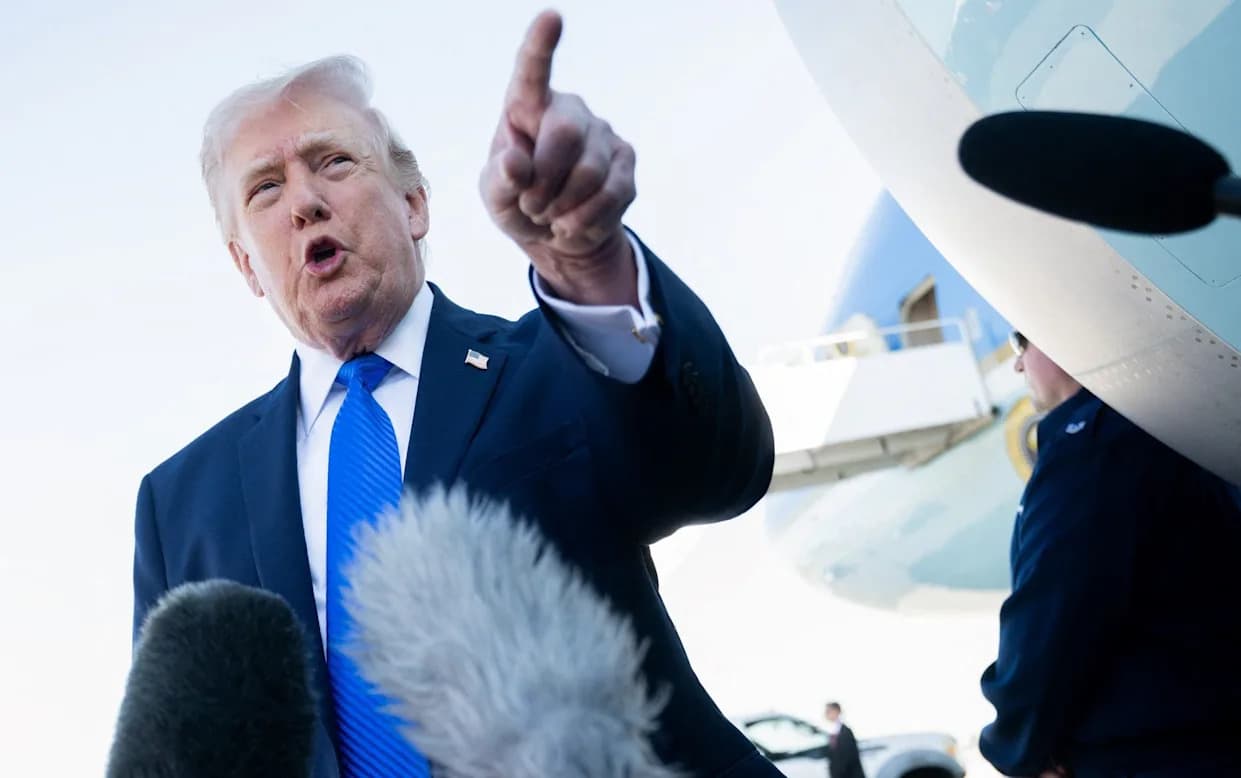
Donald Trump’s unpopular and inconclusive campaign could hurt him at the US midterms in November - SAUL LOEB/AFP via Getty Images
The four-month conflict between the US, Israel and Iran has left a complex and unfinished legacy: heavy military damage for Tehran, partial tactical gains for Washington and Jerusalem, and wide-reaching economic and diplomatic consequences across the Middle East and beyond.
Iran: Damaged but Not Defeated
Iran absorbed sustained air strikes by US and Israeli forces that achieved near-total control of the skies during the campaign. Tehran's conventional naval forces were severely degraded and many military facilities were hit. Reports indicate that a number of senior commanders and officials were killed, though the core leadership structure remains intact.
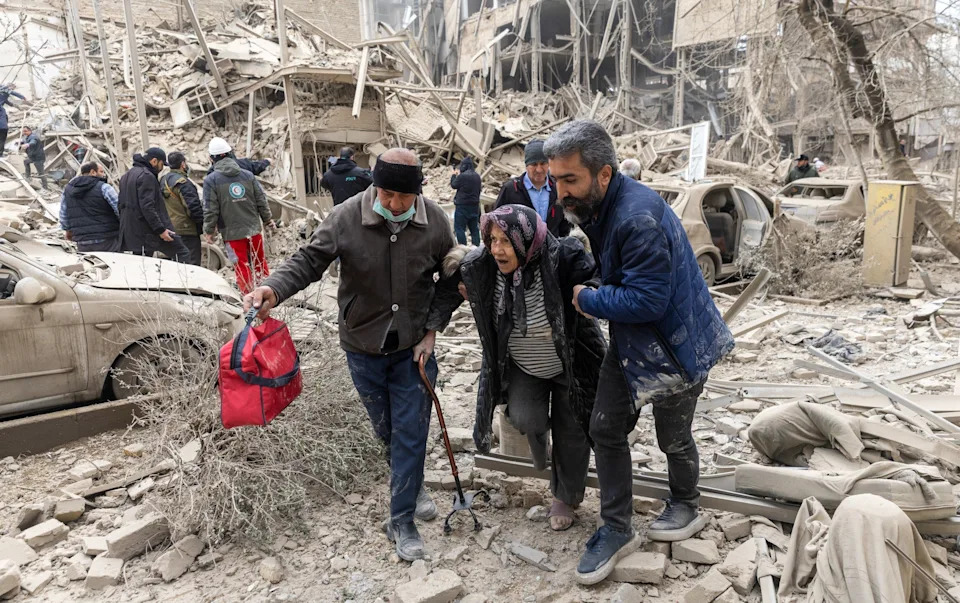
Air strikes by the US and Israel have exacted a high toll on the people of Iran - Getty Images
Despite clear damage to its defence-industrial base and parts of its enrichment infrastructure during the June 2025 bombing campaign, Iran is believed to retain substantial stocks of missiles, drones and a portion of its highly enriched uranium. Tehran also demonstrated effective leverage over the Strait of Hormuz: the waterway reopened through negotiation and Iranian assent rather than by a US military re-seizure.
Domestic repression earlier in the year and the regime's survival have reduced prospects for a credible alternative government in the near term. Analysts say the leadership appears more hard-line in some respects, even as its military options have been curtailed.
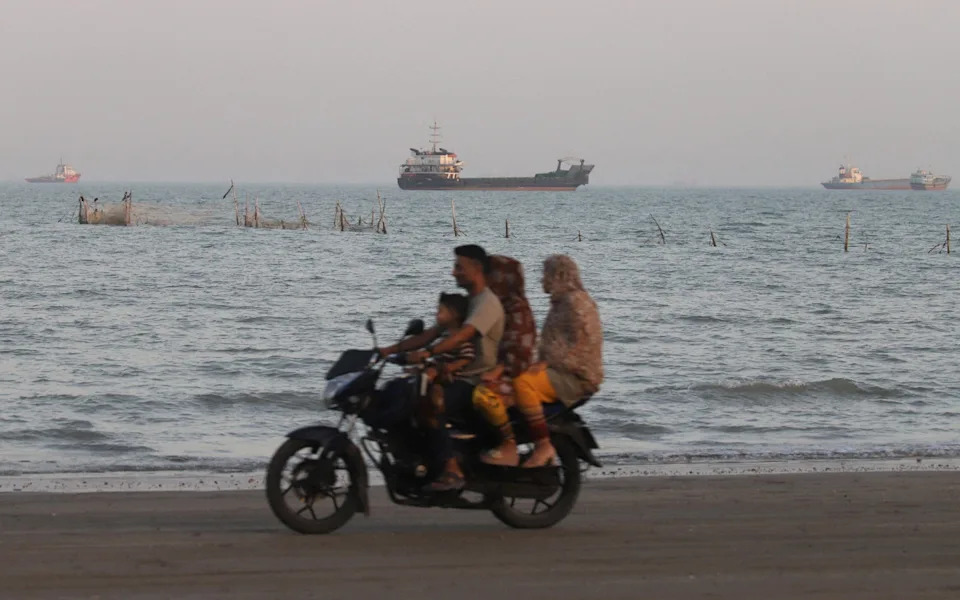
Vessels in the Strait of Hormuz as seen from the beach of Bandar Abbas in Iran - Amirhosein Khorgooi/ISNA
United States: Military Reach — Political Limits
The US military struck deeply into Iran and degraded significant capabilities, but the campaign exposed limitations. Air power did not topple the regime or eliminate its ability to retaliate; Iran mounted attacks on about 20 US military sites across the region. Diplomatically, many US allies complained of being sidelined and of poor consultation.
American households felt economic fallout: petrol prices rose sharply and estimates suggest roughly $400–$500 extra per household in higher energy costs. Polling showed broad public scepticism about the war, contributing to falling presidential approval ratings and political risk heading into elections.
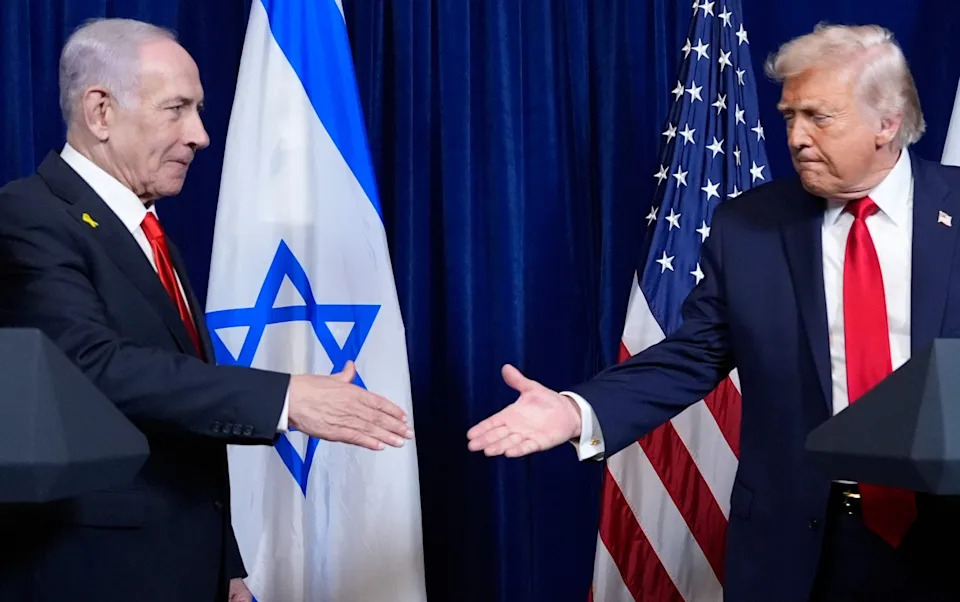
Relations between the Israeli and US leaders are less cordial than they were at the start of the conflict - Alex Brandon/AP
Israel: Partners at the Start, Side-lined at the Finish
Israel entered the campaign as Washington's closest partner and sought to neutralise the Iranian threat. While Israeli actions helped degrade Iran's capabilities, Israeli officials have expressed concern that the final agreement — particularly the reopening of the Strait of Hormuz under terms Tehran accepted — does not resolve their deepest security worries. Reports of tensions between Washington and Prime Minister Benjamin Netanyahu emerged as negotiations progressed.
Gulf States: Caught in the Crossfire
Gulf monarchies bore much of Iran's regional retaliation. The United Arab Emirates experienced the heaviest barrage of drones and missiles, but strong air defences limited fatalities and major damage. The crisis exposed fissures among Gulf states and accelerated plans to diversify export routes and reduce dependence on the Strait of Hormuz. Some states have moved closer to the US and Israel for security cooperation, while others plan to reduce military dependence on an unpredictable Washington.
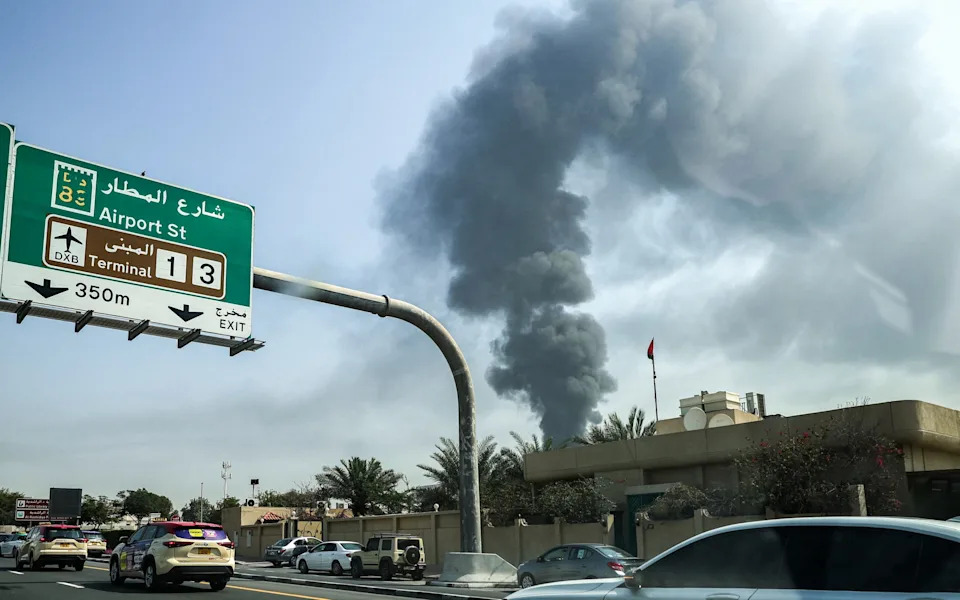
A smoke plume rises above Dubai International Airport two weeks after the US and Israel launched strikes on Iran - AFP via Getty Images
China: Watchful and Calculating
China played a limited visible role in the conflict, although an estimated 35% of its oil imports transit the Strait of Hormuz. Beijing weathered short-term disruption relatively well thanks to strategic reserves and growing renewables. Chinese observers viewed the crisis as a case study in US entanglement and in tactics — such as economic attrition and asymmetric response — that might inform Beijing’s approach in the Indo-Pacific.
Russia and Ukraine: Mixed Effects
Higher oil prices provided temporary fiscal relief for Russia, but structural problems — labour shortages, production constraints and ongoing losses in Ukraine — limited Moscow’s ability to convert windfall revenues into decisive gains. Attacks on parts of Russia’s energy infrastructure further blunted the benefit.
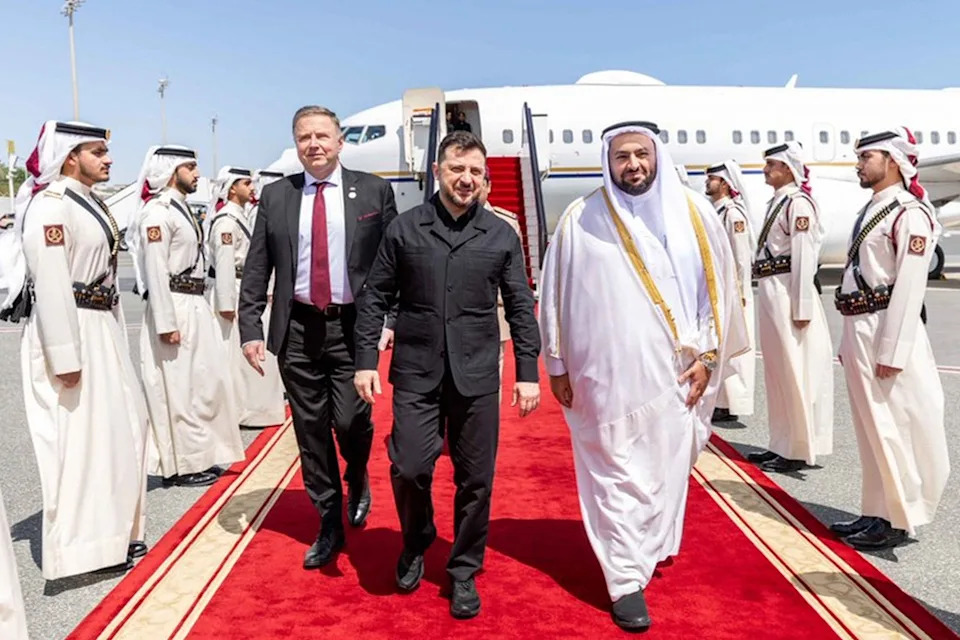
Volodymyr Zelensky is welcomed to Doha in March - Qatar News Agency/AFP via Getty Images
For Ukraine, fears that Western focus would shift away proved overstated. Kyiv’s expertise in countering drone threats became an exportable asset: Ukraine formed new security ties and cooperation agreements with Gulf states, boosting its diplomatic and military standing.
Global Economy: Energy Shock and Inflationary Pressure
Oil prices surged sharply during the conflict (estimates put the rise near 40%), pushing up energy and fertiliser costs worldwide. A coordinated release of strategic petroleum reserves eased the immediate shock, but poorer, import-dependent countries were hit hardest. Global equity markets held up in part due to strong investor interest in AI and hopes of a short war, though economists warned resilience could weaken as reserves were drawn down.
United Kingdom: Political and Military Impacts
The conflict exacerbated an existing UK cost-of-living crisis: household energy bills rose and inflationary pressure increased. Relations with the United States were strained after the UK declined to provide direct military assistance; a high-profile state visit helped cool tensions, but political relations remain sensitive. The war also exposed operational gaps when a drone struck an RAF base in Cyprus while no major Royal Navy assets were present in the Mediterranean.
Conclusion
The ceasefire ended active hostilities but left many strategic dilemmas unresolved. Iran is weakened but intact; the Strait of Hormuz is open again under terms negotiated with Tehran; and the geopolitical and economic consequences — shifts in alliances, renewed Gulf security planning, higher energy prices and domestic political costs for Western leaders — will continue to unfold.
Help us improve.





















