
Jules Verne’s mid-19th-century novels From the Earth to the Moon (1865) and All Around the Moon (1869) anticipated many themes of modern lunar missions: launch latitude, free-return trajectories, oxygen generation and midcourse corrections. While Verne erred on issues like instantaneous cannon acceleration and a mistaken notion of weightlessness at a neutral point, his technical curiosity often mirrors real mission planning. Artemis 2’s April Pacific splashdown and the crew’s observation of micrometeor flashes recall scenes Verne imagined more than a century earlier.
How Jules Verne Foreshadowed Artemis 2: From the Columbiad to a Pacific Splashdown
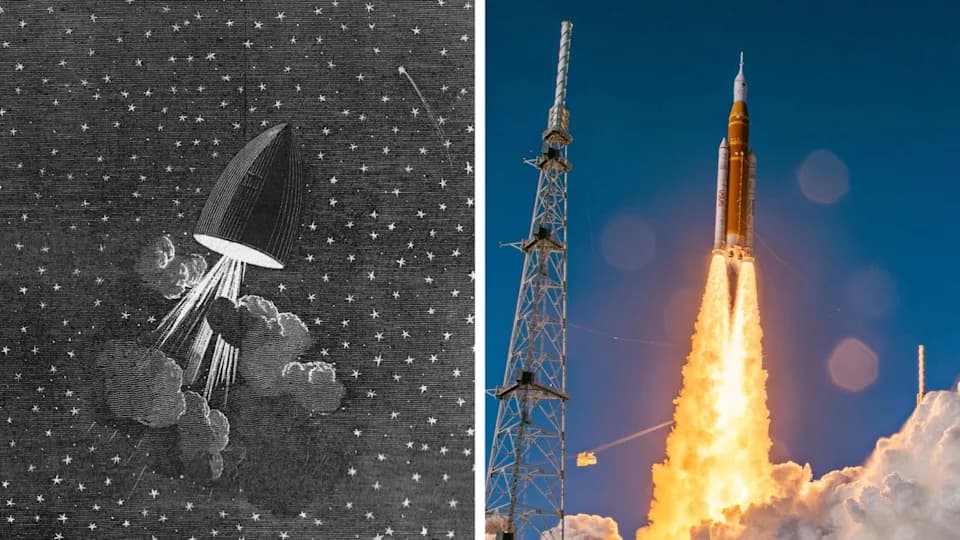
Credit: Émile-Antoine Bayard and Alphonse de Neuville / NASA
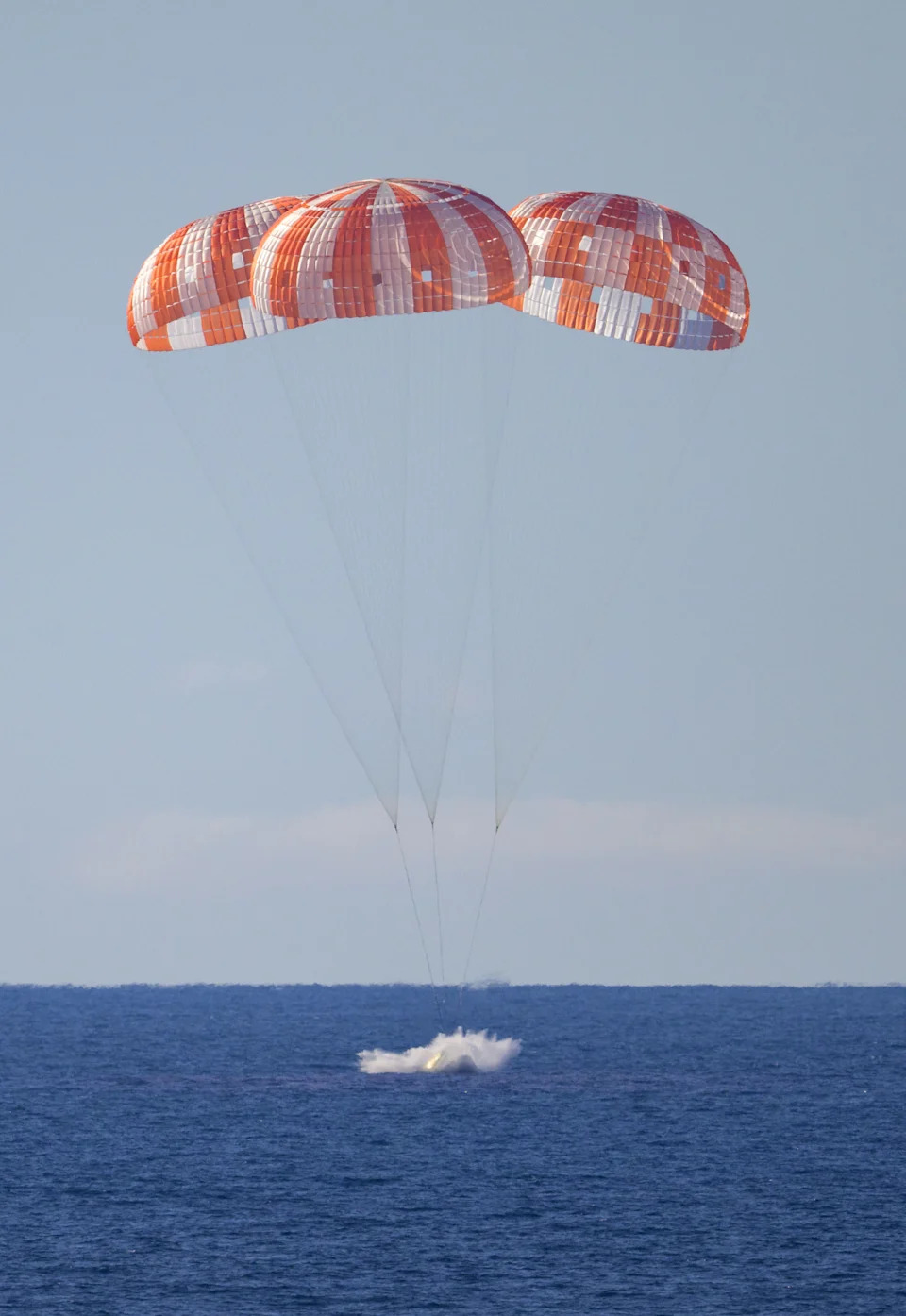
"From the pages of Jules Verne to a modern-day mission to the moon, a new chapter of our exploration of our celestial neighbor is complete," observed NASA commentator Rob Navias after the Artemis 2 Integrity spacecraft splashed down safely in the Pacific this past April.
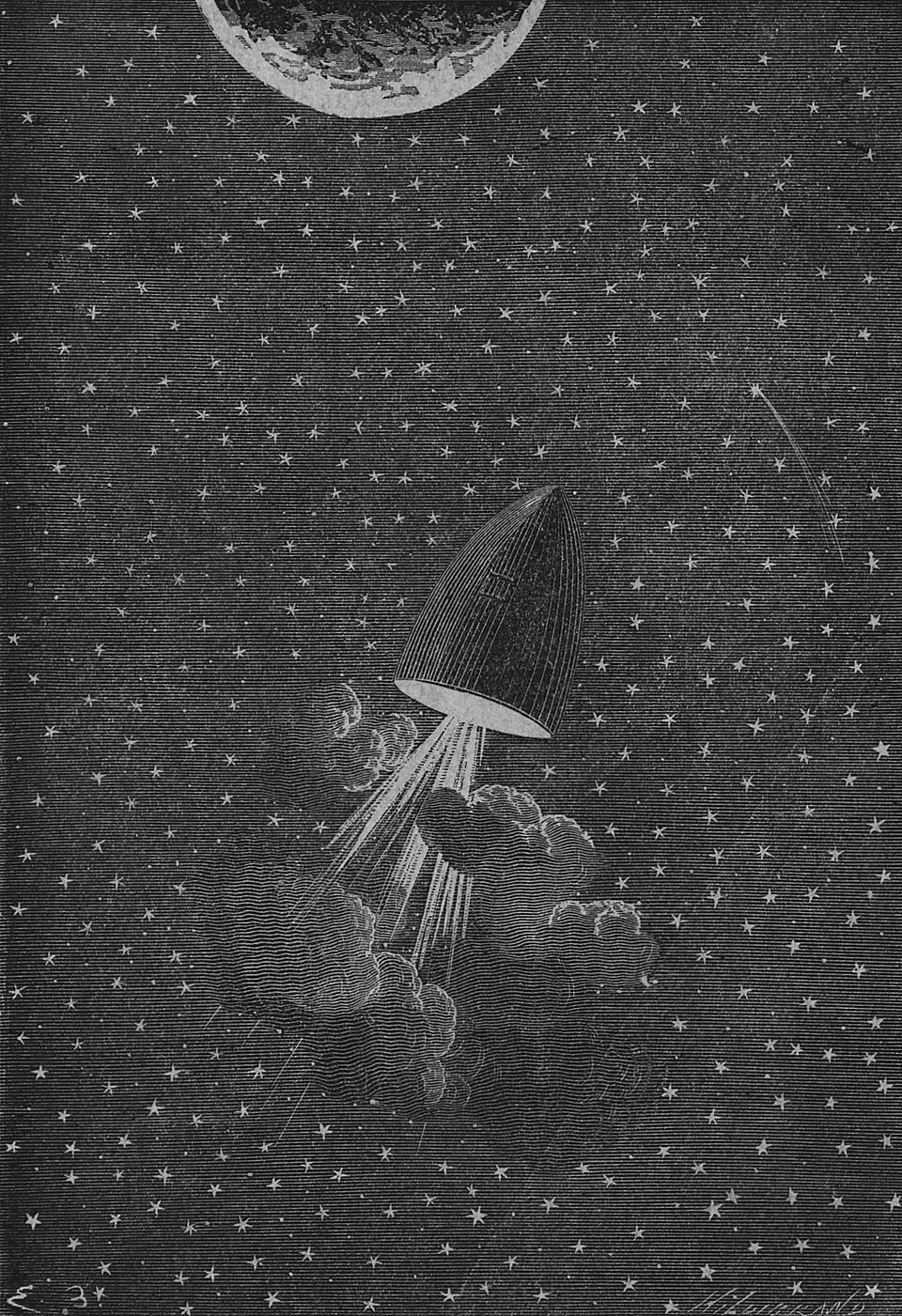
Émile-Antoine Bayard and Alphonse de Neuville
Verne’s Technical Imagination
The resemblance between Artemis 2’s flight profile and the voyage Jules Verne sketched in the mid-19th century is striking. While many of his contemporaries wrote fancifully about balloon trips and wild adventures, Verne approached space travel with surprising technical care — discussing escape velocity, orbital slingshots and midcourse correction burns. He was not always right, but many elements of his fiction foreshadow modern mission planning.
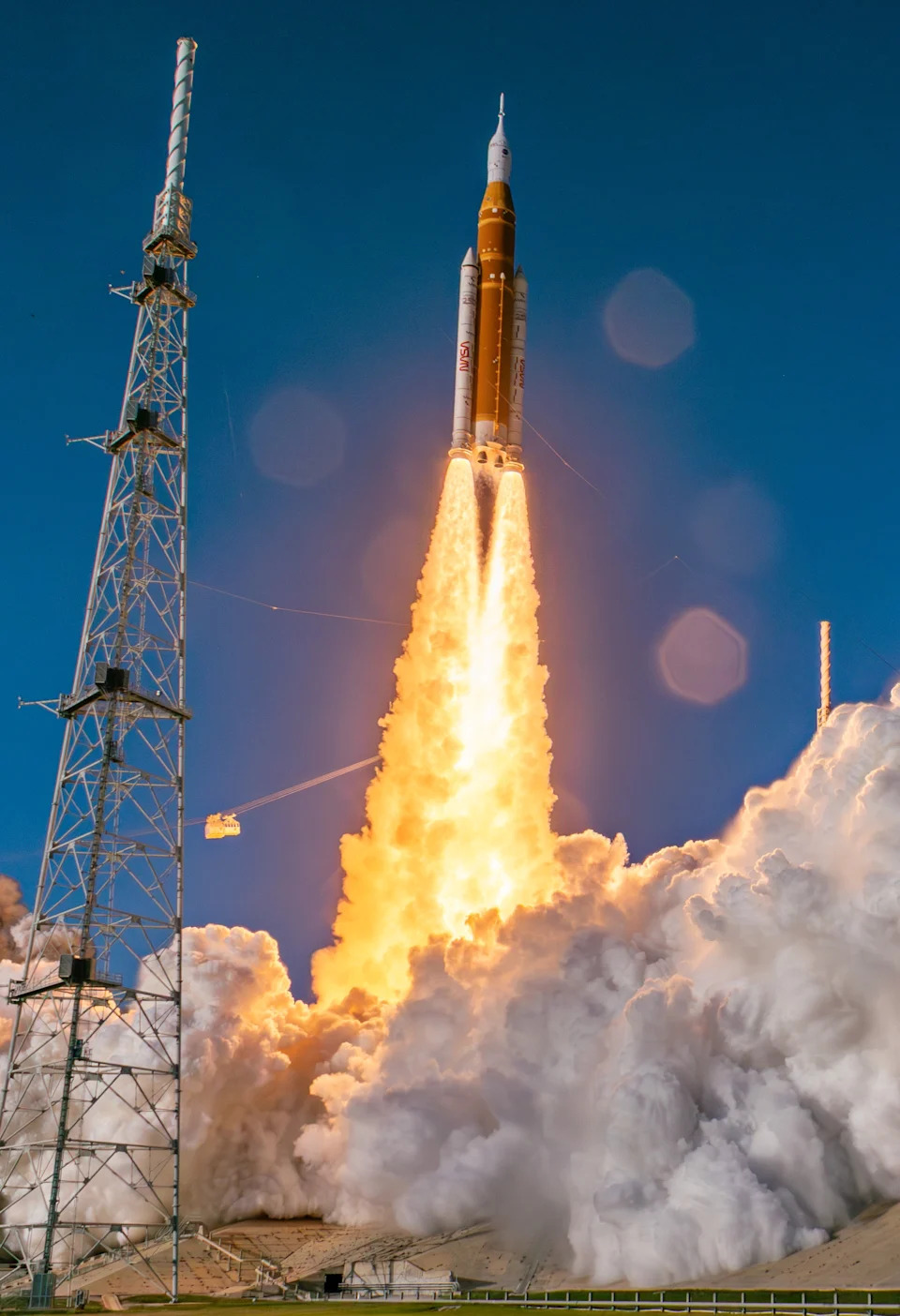
Space.com / Josh Dinner
The Columbiad and Launch Latitude
Verne’s fourth novel, From the Earth to the Moon (1865), centers on Impey Barbicane and the Baltimore Gun Club, who propose a 900 ft (274 m) cannon — the "Columbiad" — to hurl a projectile to the Moon. Verne went further than most 19th-century storytellers, setting out the mathematics and trajectory calculations for the shot. He also recommended launching as close to the equator as possible to gain rotational velocity from the Earth — an idea NASA later applied by selecting launch sites at low latitudes. Verne places his Columbiad near Fort Myers, on the Florida peninsula opposite Cape Canaveral, at a similar latitude to modern launch complexes.
Émile-Antoine Bayard and Alphonse de Neuville
Where He Was Wrong (And Surprisingly Right)
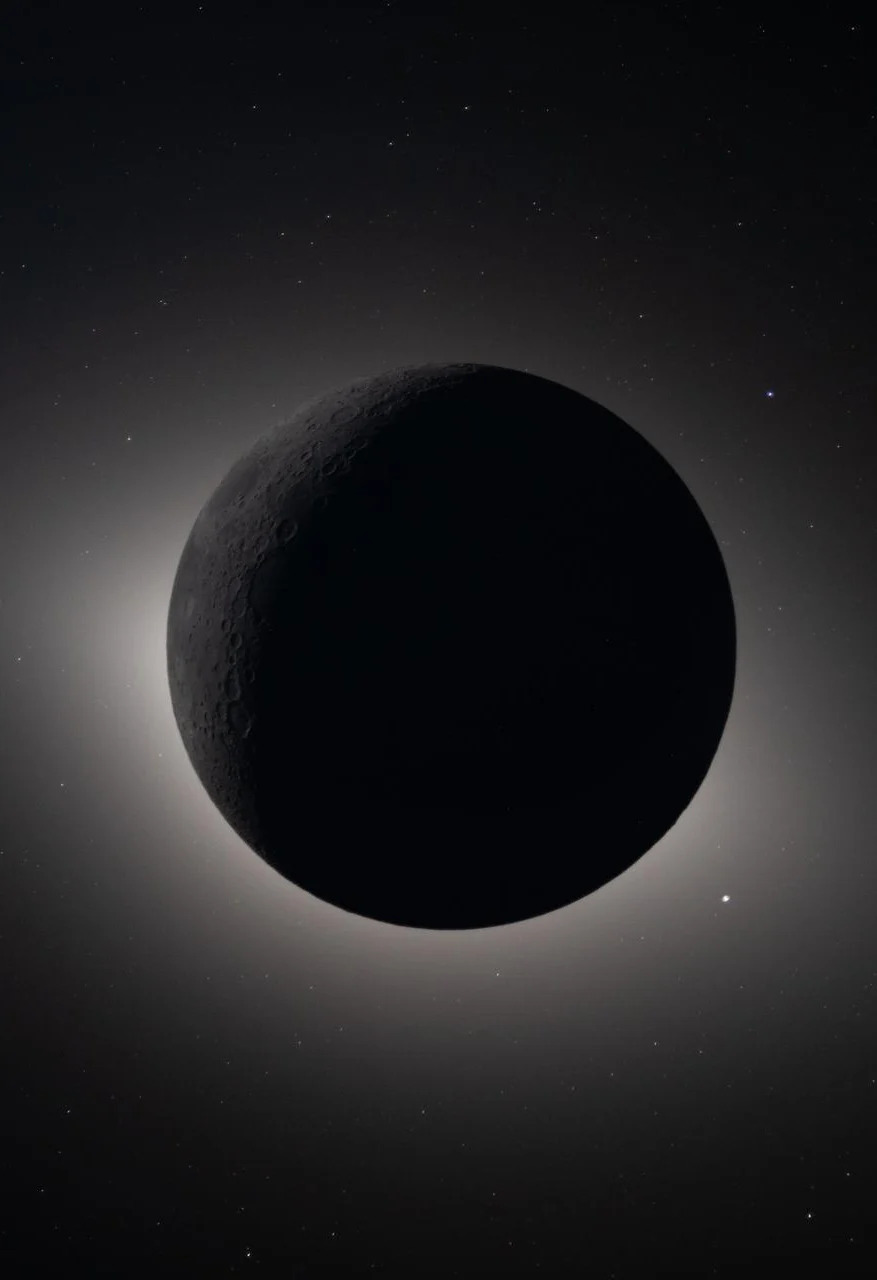
Verne’s fiction contains both prescient insights and clear scientific errors. Unlike a rocket, which accelerates over minutes and exposes crews to sustained but survivable g-forces, a cannon would impart an almost instantaneous, lethal acceleration — a problem Verne did not resolve. He also believed his characters would experience weightlessness only at the "neutral point" where Earth’s and the Moon’s gravities balance, rather than during the long microgravity phase of free flight. Both assumptions are incorrect by modern understanding.
NASA
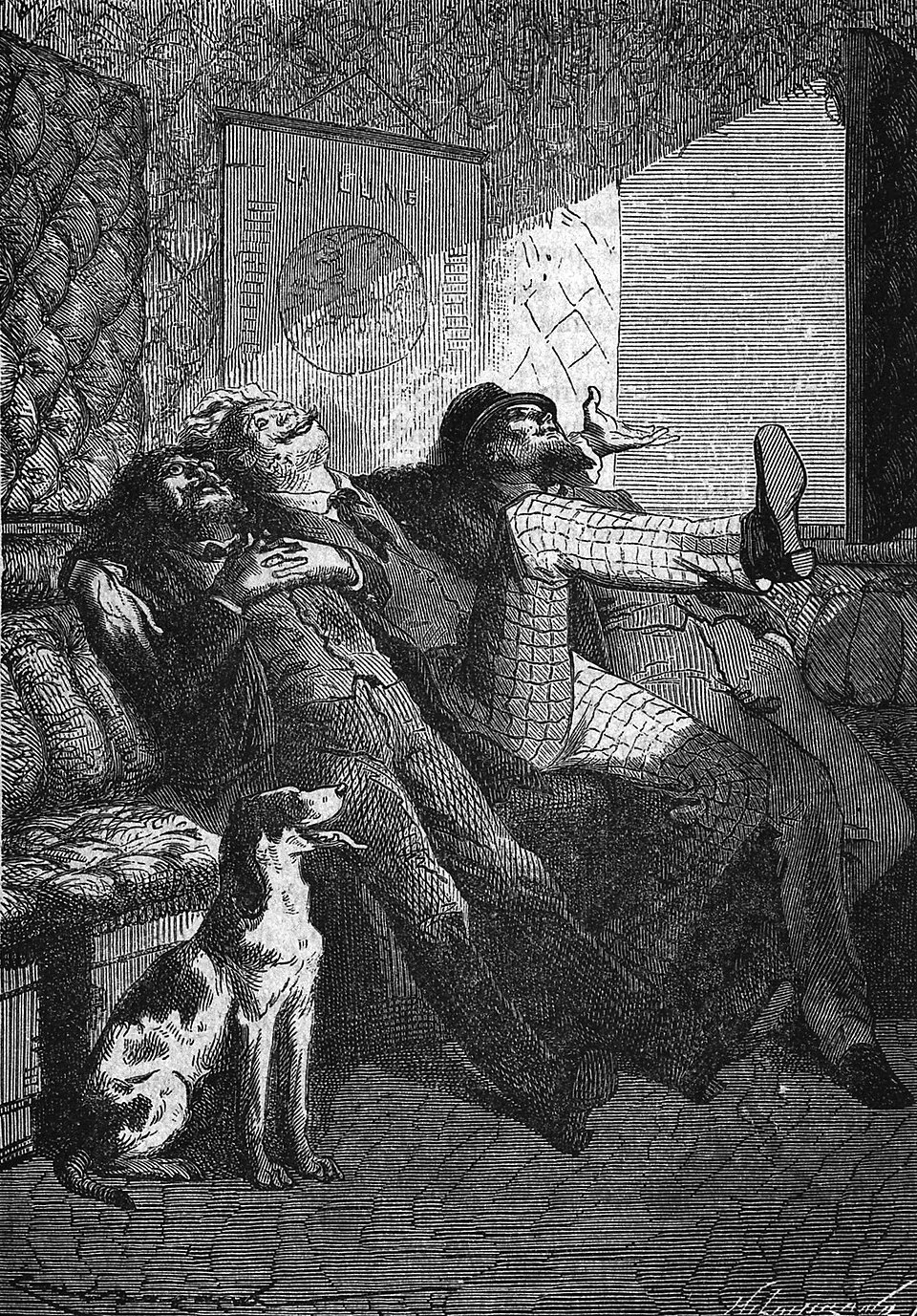
Yet Verne anticipated other critical concepts. He equipped his travelers with chemical apparatus to generate oxygen and scrub carbon dioxide, imagined midcourse rocket burns to alter trajectory, and even described a free-return path that carries the projectile around the Moon and back to Earth — all key elements of actual lunar mission design.
Émile-Antoine Bayard and Alphonse de Neuville
Imagery and Human Detail
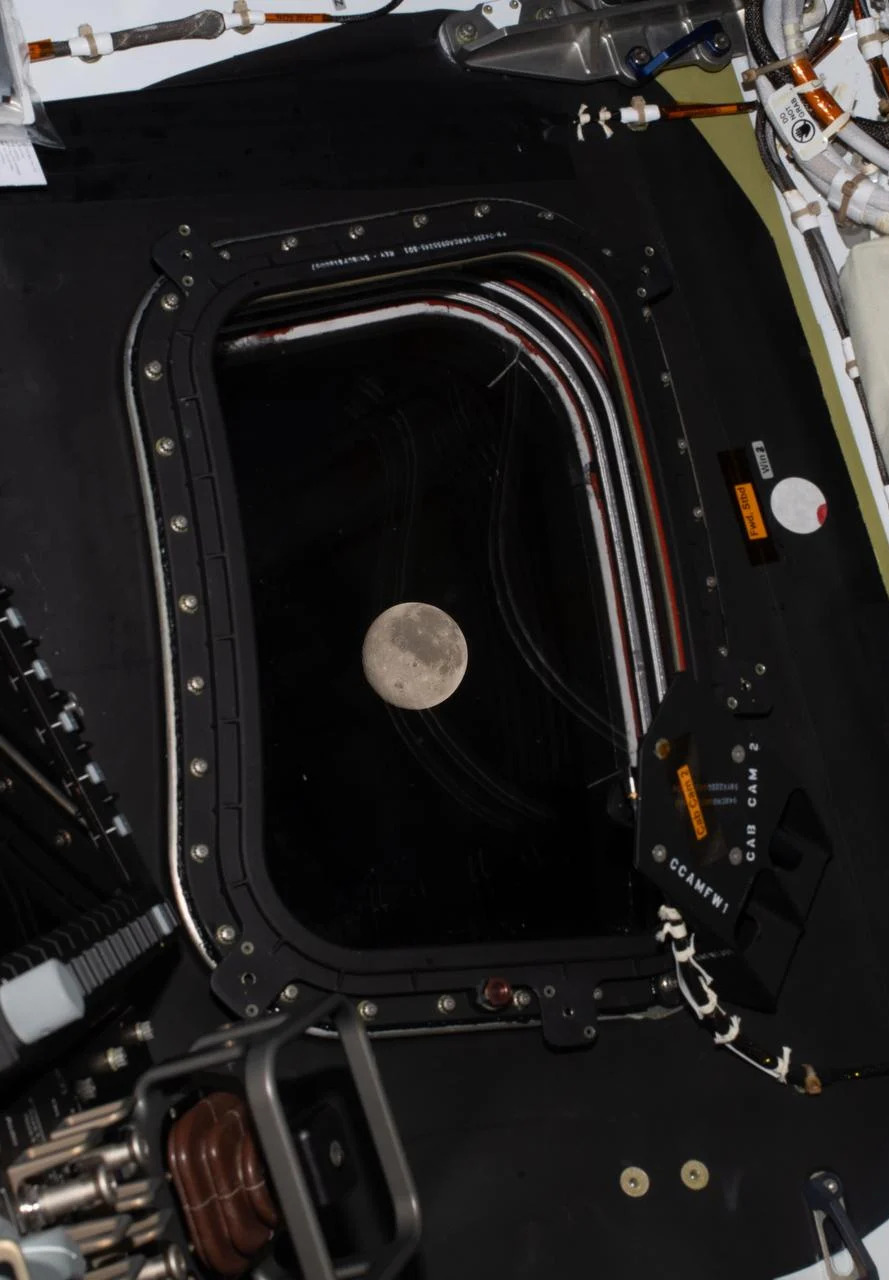
Verne’s depiction of life inside the projectile mixes Victorian comforts with imaginative engineering. The interior reads like a roomy study, complete with gourmet meals and wines — a far cry from the compact, freeze-dried fare of modern crews such as Reid Wiseman and his Artemis 2 colleagues. Verne also allows humorous lapses, such as characters briefly opening portholes, but these touches emphasize human curiosity and drama.
NASA
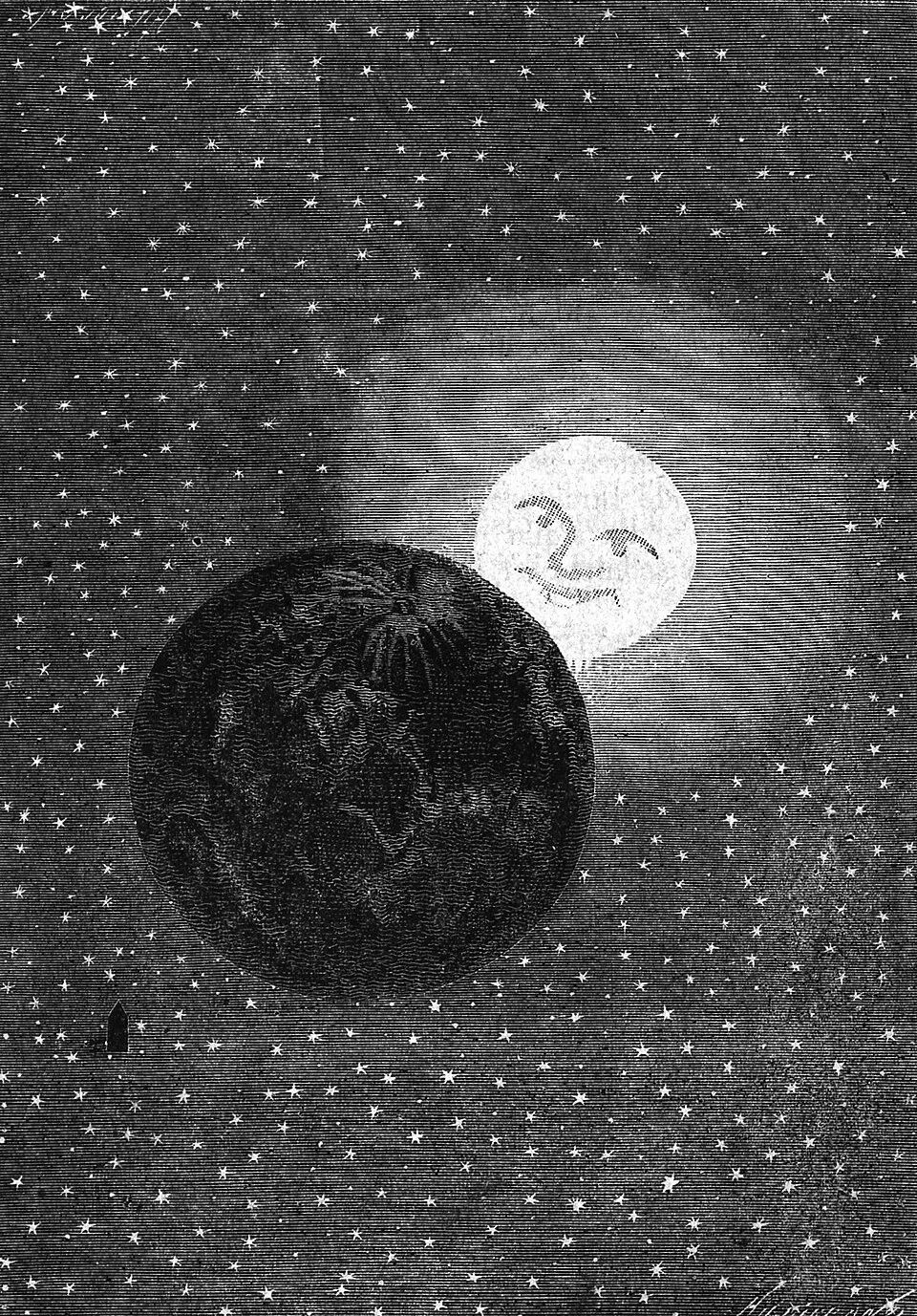
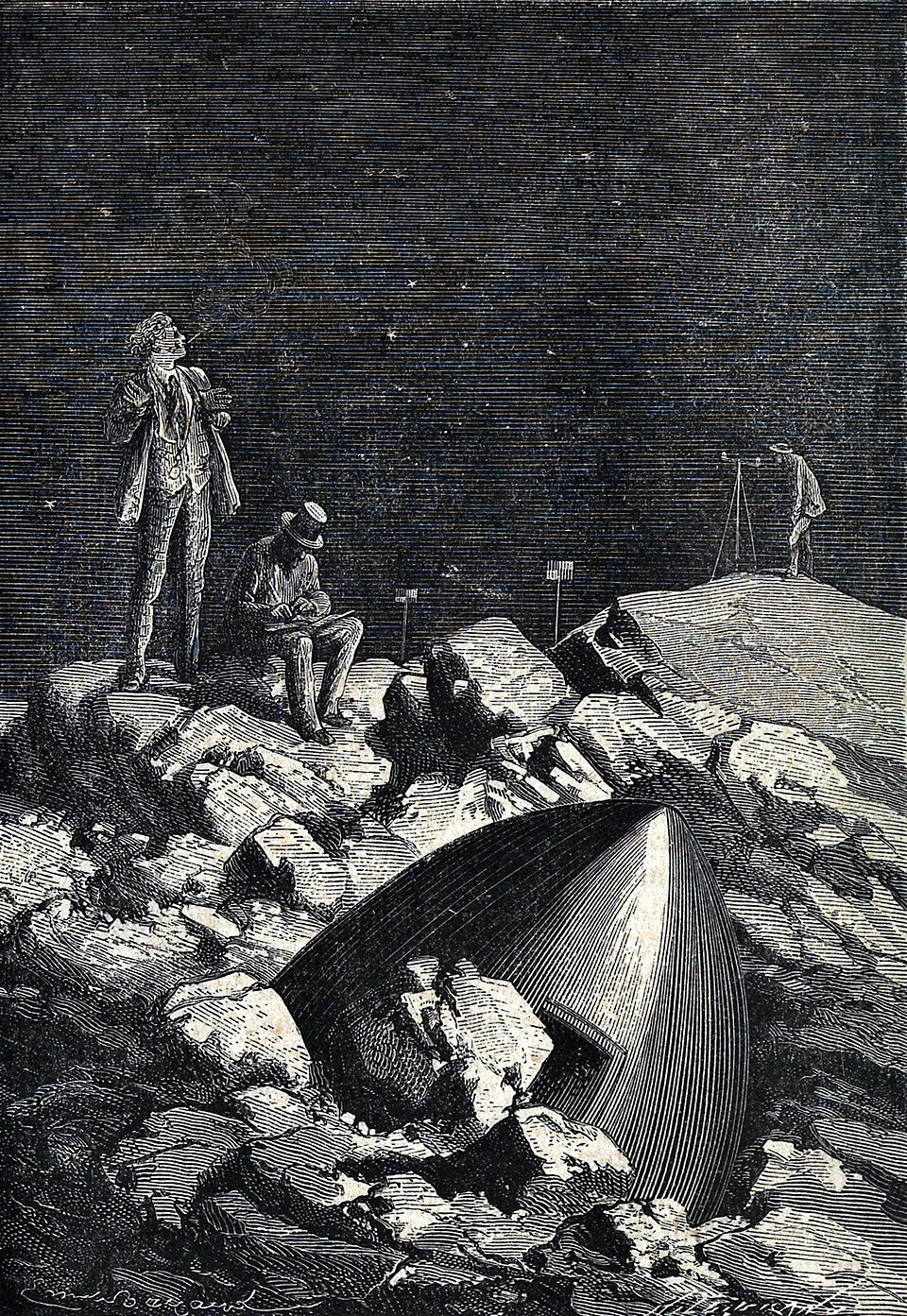
As the fictional craft rounds the Moon's far side in the sequel All Around the Moon (1869), the crew sees a distant, fiery flicker in the dark — a detail that evokes the micrometeor flashes reported by Artemis 2 astronauts. Following 19th-century scientific convention, Verne suggests volcanic activity as the source of the glow; a few pages later a meteoroid explodes nearby, sending "thousands of glittering fragments" around the capsule. That image feels strikingly familiar to anyone who watched mission control celebrate similar transient events during Artemis 2.
Émile-Antoine Bayard and Alphonse de Neuville
Return, Recovery and Reception
Verne builds a dramatic re-entry: after a failed course-correction burn with small rockets, the projectile retains enough inertia to fall back to Earth and splashes down in the Pacific. Despite omitting parachutes, the fictional crew survive and are recovered by naval forces — an echo of Apollo and Artemis recovery operations. The closing chapters portray triumphant parades across America, anticipating the public hero’s welcome that real lunar astronauts received.
NASA
"A hundred years ago, Jules Verne wrote a book about a voyage to the moon," Neil Armstrong said during Apollo 11’s return flight in 1969. "His spaceship, Columbia [sic], took off from Florida and landed in the Pacific Ocean after completing a trip to the moon."
Nearly 160 years after Verne’s novels first appeared, his blend of meticulous research and vivid imagination still resonates alongside humanity’s real missions to our nearest celestial neighbor.
Help us improve.





















