
Blue Origin says New Glenn will fly again before year-end after an explosion at Cape Canaveral destroyed the rocket and damaged Launch Complex 36A. Dave Limp and John Couluris say key infrastructure — including fuel tanks and the water tower — appears intact, and repair work is underway. NASA has promised a coordinated government response and is decoupling the Blue Moon lander from a single rocket or pad to preserve Artemis schedules. Investigators say the timeline hinges on determining the root cause and securing a viable launch site.
Blue Origin Vows New Glenn Will Fly This Year After Cape Canaveral Explosion — NASA Works To Protect Artemis Timeline
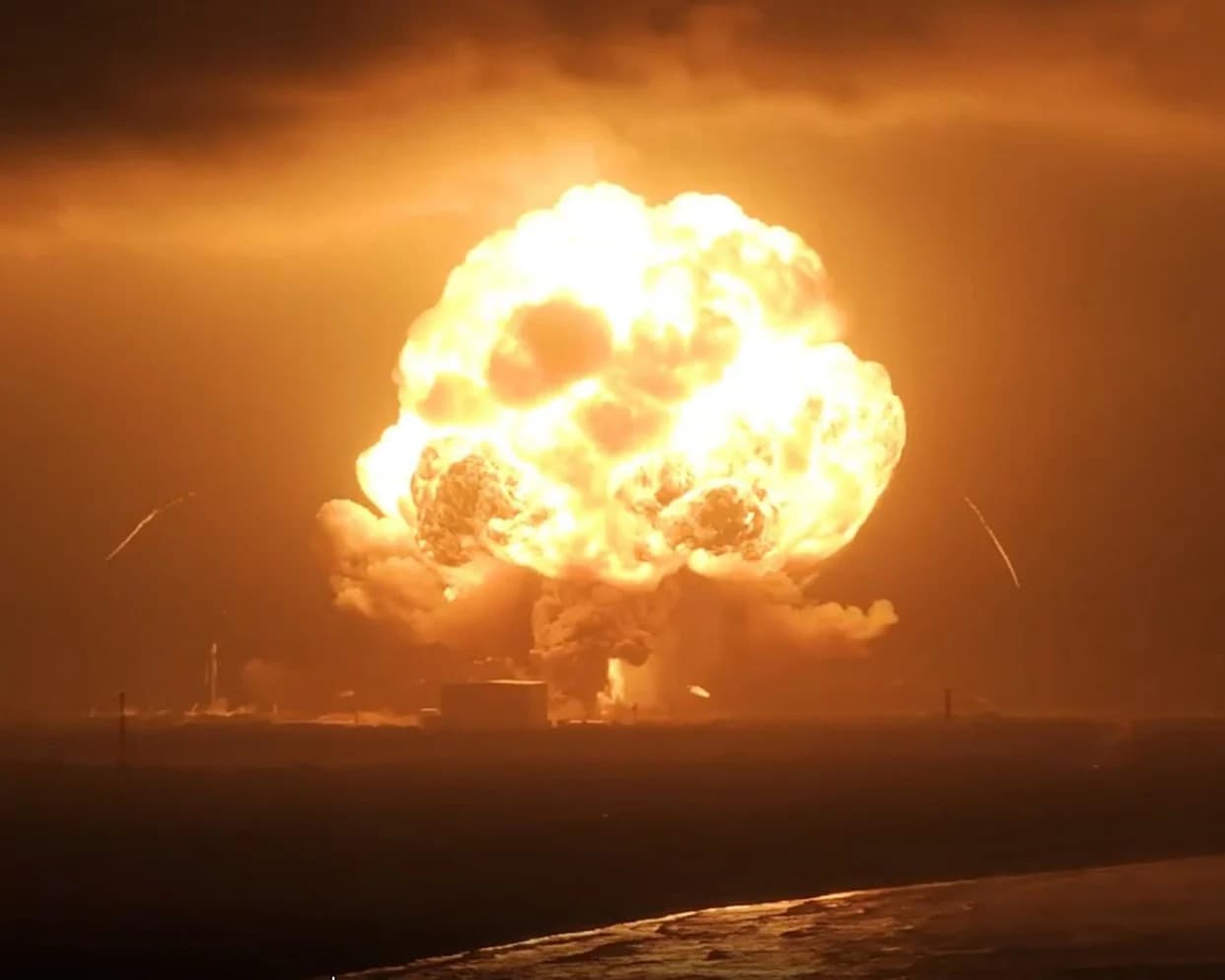
The uncrewed Blue Origin's New Glenn rocket explodes during a test on a launchpad at Cape Canaveral space force station in Florida on 28 May 2026.Photograph: NASASpaceflight.com/AFP/Getty Images(Photograph: NASASpaceflight.com/AFP/Getty Images)
Blue Origin says it will return its New Glenn rocket to flight before the end of the year after a dramatic explosion at Launch Complex 36A destroyed the vehicle and heavily damaged surrounding infrastructure at Cape Canaveral Space Force Station.
On 1 June, Blue Origin CEO Dave Limp posted on X that the company would be flying again this year, signing off with the firm’s Latin motto, “Gradatim Ferociter” — “step by step, ferociously.” John Couluris, Blue Origin’s senior vice president for lunar programs, reiterated the commitment at a NASA event in Houston where the Artemis III crew was unveiled.
“As you know, we had a significant anomaly,” Couluris said. “The response from NASA, our partners and customers has been extraordinary. We’re making excellent progress on the investigation and pad cleanup.” The blast was a fireball visible more than 100 miles away, prompting immediate concern about Blue Origin’s schedule and NASA’s moon program.
NASA has pledged support to help investigate the incident and restore the launch pad. Agency officials described a coordinated government response to assist Blue Origin as teams work to determine the root cause and repair Launch Complex 36A.
Limp said some critical, long-lead infrastructure appears to have survived: the propellant farm — including oxygen, liquid hydrogen and LNG tanks — and the water tower. He added that the main support tower sustained damage but could be repaired in place rather than demolished and rebuilt, which would significantly speed recovery if confirmed.
The urgency stems from the Artemis schedule. Artemis III, currently planned for late 2027, is intended to test a crewed lander concept alongside SpaceX’s Starship Human Landing System (HLS). Blue Origin’s proposed lander, Blue Moon, is designed to fly on New Glenn — so the loss of New Glenn capability could force NASA to test and rely solely on Starship or to explore alternative launchers for Blue Moon.
NASA is reportedly encouraging contingency planning, including the possibility of reconfiguring Blue Moon to fly on a different rocket such as SpaceX’s Falcon Heavy. To preserve schedule flexibility, agency officials say they are “decoupling” the lander’s development from any single rocket or launch pad so work on the lander can continue independently of the pad repairs.
“This is a setback that happens in this business,” an agency official said. “A rocket is a controlled explosion. It’s an awful lot of energy. We have to learn from it and be ready to move forward.”
Space experts emphasize that the key near-term question is identifying the anomaly. John Logsdon, founder and former director of the Space Policy Institute at George Washington University, urged patience while investigators examine the evidence and noted that the institutional resources and funding available to Blue Origin make recovery plausible.
“There are good people involved and the resources are available. I think we have to have a bit of patience,” Logsdon said, pointing to past recoveries in the history of human spaceflight.
Other analysts caution that ground logistics may prove the greater hurdle: even after the cause is found and repairs are completed, Blue Origin will need a usable launch site and schedule coordination with military and government partners. Eric Berger, senior space editor at Ars Technica, called the company’s timeline “aggressive” in an early analysis of the accident.
For now, NASA and Blue Origin are working together to investigate the anomaly, clean and repair Launch Complex 36A, and keep Artemis milestones viable as planners aim to return humans to the lunar surface later this decade.
Help us improve.





















