The latest experiments led by Columbia geneticist Dieter Egli used base editing on single‑cell human zygotes to alter two sites linked to cholesterol and hemoglobin. The paper is not yet peer‑reviewed; embryos were not implanted but many showed mosaicism, raising safety concerns. Critics warn the work could lower barriers to ethically fraught germline enhancements, while proponents say more research and regulation are needed before any clinical use.
New Base-Editing of Human Zygotes Sparks Fears It Could "Open the Floodgates"
Shutterstock / Futurism
Editing human embryos remains one of the most contentious areas of biotechnology. The debate intensified eight years ago when Chinese scientist He Jiankui used CRISPR to alter embryos and allowed those pregnancies to go to term. Now a fresh set of experiments using a different gene‑editing approach — base editing — has reignited ethical and scientific concerns.
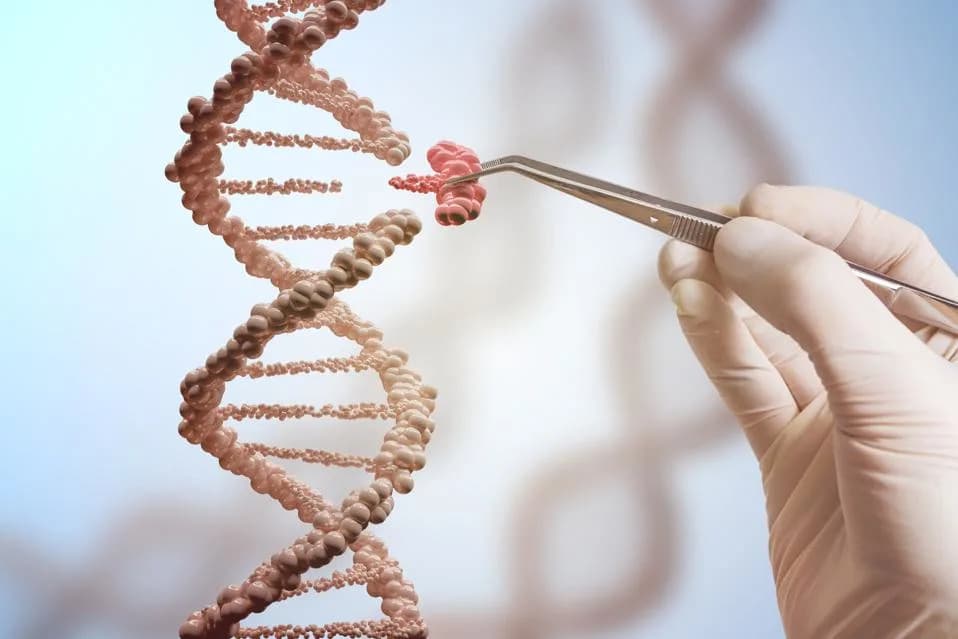
A team led by Columbia University geneticist Dieter Egli published a paper (not yet peer‑reviewed) reporting experiments that applied base editing to single‑cell human zygotes. Unlike CRISPR, which can cut or remove segments of DNA, base editing chemically converts individual DNA bases on a single strand. The researchers targeted two genomic positions linked to cholesterol regulation and hemoglobin production, chosen because they are well characterized in somatic gene‑editing studies rather than for immediate therapeutic use in the germline.
The stated objective was to test whether base editing could alter zygote DNA with fewer of the damaging side effects that have accompanied some CRISPR experiments. The work involved collaboration with Nucleus Genomics, a company that screens IVF embryos and has previously faced controversy over its claims and practices.
Scientific and Ethical Concerns
The experiments did not proceed to gestation, but they raised immediate alarms among ethicists and genome‑editing researchers. Pioneering researcher Alexis Komor told Scientific American that the study shows the "cat's out of the bag," suggesting that the results could lower barriers to more aggressive germline work. Komor and others warned that in the absence of strict regulatory oversight — particularly in the United States — the team may have crossed an informal "gentleman's agreement" among researchers to avoid certain kinds of embryo editing.
Other scientists were blunt. University of California, Berkeley geneticist Fyodor Urnov said the paper could provide a "how‑to" for those seeking ethically dubious enhancements, while Wake Forest bioethicist Ana Iltis noted that some harmful effects, if any, might not become apparent until after birth.
Technical Limitations
Technically, the study produced mixed results. Many edited zygotes displayed mosaicism — genetically different cell populations within the same embryo — a phenomenon that complicates safety and efficacy because it can produce uneven or unpredictable outcomes if a zygote were to develop into a fetus. The authors acknowledge substantial work remains before base editing could be considered for clinical germline applications.
Supporters emphasize that base editing is already showing therapeutic promise in somatic (non‑heritable) contexts: last year a 9.5‑month‑old infant was reported to have been successfully treated for a rare genetic disorder using a base‑editing‑based therapy. Nevertheless, translating somatic successes to germline interventions raises separate, weighty ethical and safety questions.
What Comes Next
The study has reignited calls for clearer regulation and broader societal discussion about the limits of germline editing. Many experts argue that any move toward clinical germline interventions should be accompanied by rigorous peer review, transparent oversight, and public engagement. For now, the research serves as both a technical demonstration of base‑editing capability in zygotes and a reminder of the unresolved ethical tradeoffs surrounding heritable genome modification.
Help us improve.