
Summary: Tulsi Gabbard, a former U.S. Representative, released claims that the U.S. funded more than 120 biological labs in over 30 countries, including in Ukraine, and warned some sites may have been vulnerable during the Russia-Ukraine war. Her statements prompted strong criticism from journalists, lawmakers and national-security experts who say she amplified a Kremlin-promoted narrative that U.S. intelligence has flagged as disinformation. Supporters praised Gabbard, while critics pointed out long-running, public U.S. biosafety and surveillance programs designed to reduce post-Soviet biological threats. The episode highlights tensions over transparency and the risks of amplifying contested intelligence during conflict.
Tulsi Gabbard Sparks Outcry With 'Biolabs' Claims — Critics Say She Echoes Russian Propaganda
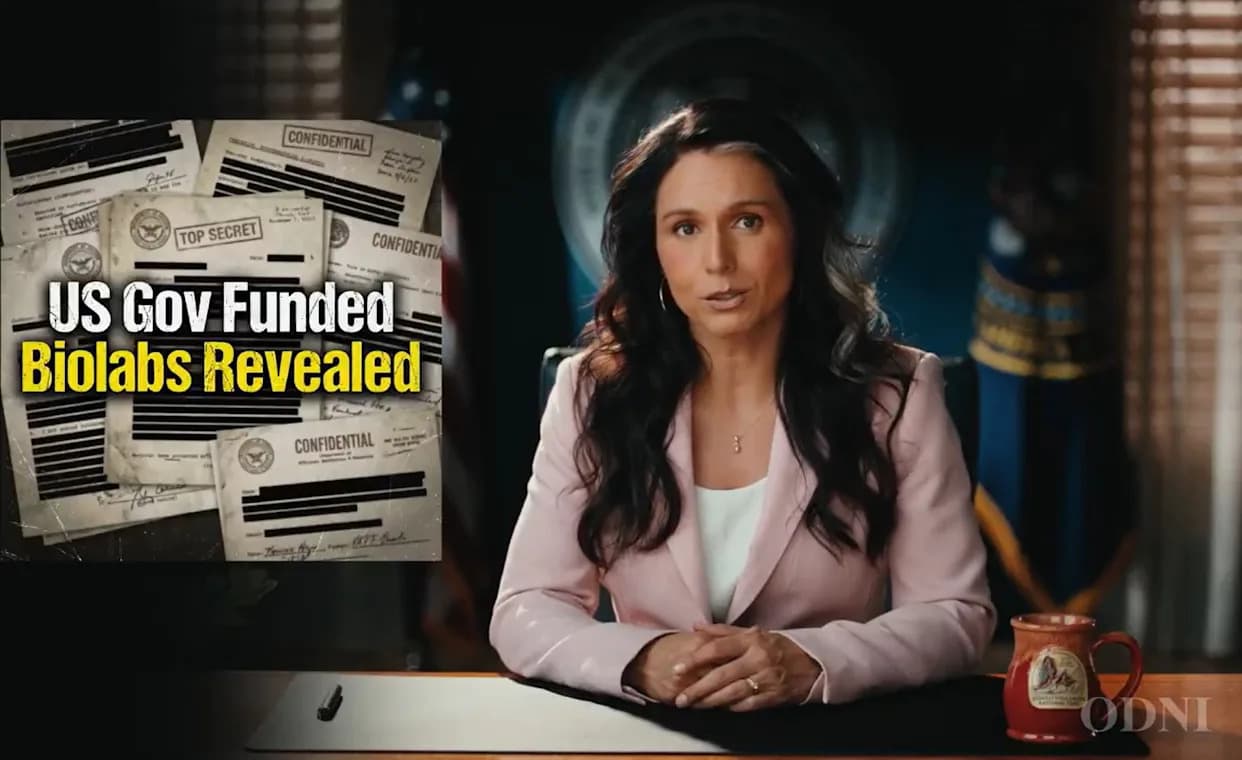
Tulsi Gabbard
Tulsi Gabbard, a former U.S. Representative and presidential candidate, on Friday released a social media clip advancing claims that the U.S. has funded more than 120 biological laboratories in over 30 countries, including sites in Ukraine. She warned that some facilities could be vulnerable amid the Russia-Ukraine war and said intelligence suggested at least one U.S.-funded lab in Ukraine "likely housed dangerous pathogens" and was at risk of compromise.
Gabbard's Statement
"Today, I’m releasing new evidence of long-standing U.S. Government funding of more than 120 bio labs in over 30 countries.... In fact, the intelligence community had previously warned that a U.S.-funded bio lab in Ukraine likely housed dangerous pathogens and remained vulnerable to long-standing threats of Russian attack, seizure, or damage."
Immediate Backlash
The post prompted a sharp response from journalists, national-security experts and lawmakers who said Gabbard’s remarks amplified a narrative promoted by the Kremlin to justify its invasion of Ukraine. Critics argue the so-called "secret biolab" story has been flagged by U.S. intelligence as disinformation and say public cooperative programs were intended to reduce biological risks inherited from the Soviet era.
Expert and Media Reactions
Christopher Miller, chief correspondent in Ukraine for the Financial Times, wrote that Gabbard appeared to "perpetuate one of her and Russia’s favorite conspiracy theories" and warned the statements could deliver a propaganda win for Moscow.
Josh Segal, an expert on biological weapons quoted by The New York Post, said the labs "are not now and were never secret" and described long-standing U.S. cooperative efforts — including programs to convert former Soviet research facilities and improve biosafety. Segal also noted that cooperative programs were credited with actions such as destroying large stocks of weaponized agents left over from the Soviet era.
Representative Mike Levin (D-CA) called the claims recycled Kremlin propaganda, noting that lists of cooperating facilities are publicly available and that U.S. programs such as Nunn-Lugar focused on disease surveillance and converting former weapons-related sites.
Responses From Across The Political Spectrum
Reactions ranged from praise among some MAGA-aligned commentators and political figures to condemnation from pro-democracy activists like Garry Kasparov and journalists who said the remarks amplified a harmful narrative amid ongoing conflict.
Context And Takeaways
Analysts emphasize key distinctions: while the U.S. has supported international biosafety, surveillance and laboratory conversion programs, those programs have been described by many experts as transparent and focused on reducing biological risk rather than developing weapons. At the same time, the dispute underscores how sensitive intelligence and public statements can be during active conflicts, and how easily contested claims can feed adversary narratives.
What Remains Unresolved
Gabbard’s posting raises questions about the sourcing and interpretation of intelligence she cited and why the material was released in that form. The episode has renewed debate over transparency, the politicization of intelligence, and the responsibilities of public figures when discussing national-security topics during a war.
Help us improve.





















