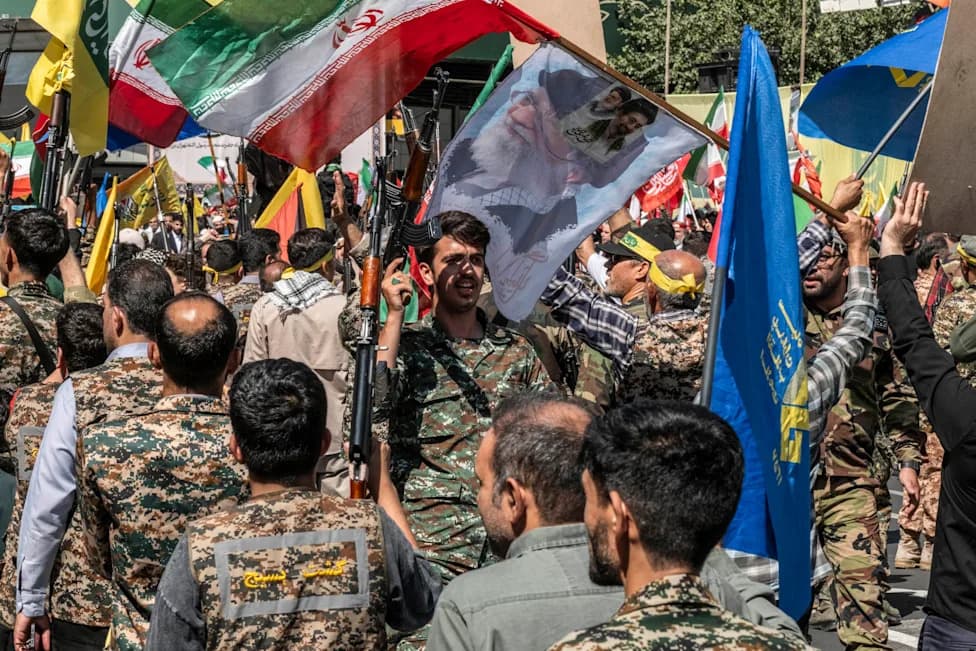
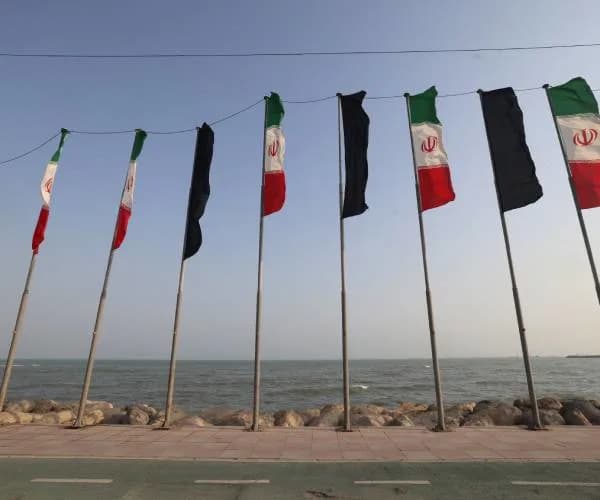
After President Trump warned he would strike Iran, leaders from Qatar, the UAE and Pakistan phoned Washington to say a preliminary deal was near, helping persuade him to delay an attack. The proposed first step would reopen the Strait of Hormuz and lift the U.S. blockade, while tougher nuclear negotiations would follow. Negotiators have discussed limited access to more than $16 billion in restricted funds as a short-term concession. Iranian officials insist no final agreement has been reached, and regional skepticism—especially from Israel—remains high.
Last-Minute Diplomatic Push Appears to Avert Immediate U.S. Strike on Iran
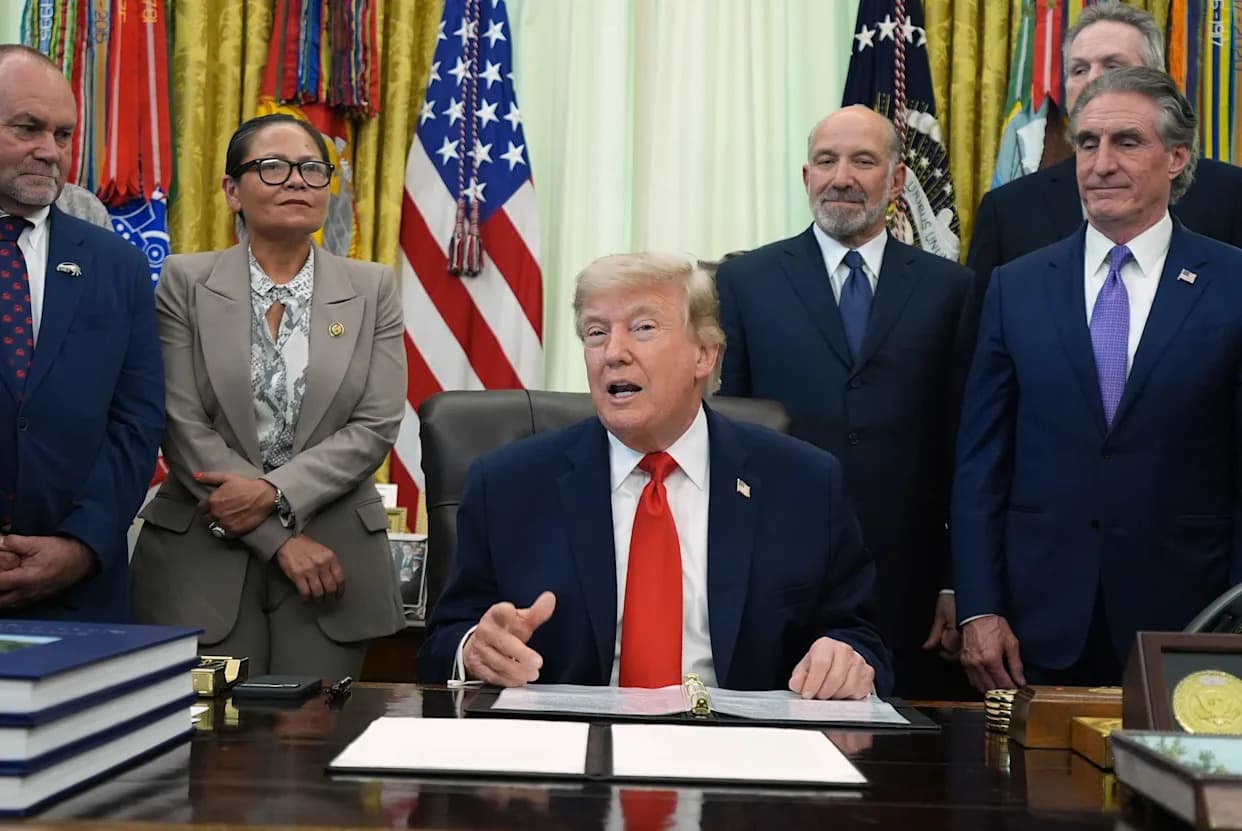
Soon after President Donald Trump posted on Thursday morning that he planned to strike Iran "VERY HARD TONIGHT," senior leaders from Qatar, the United Arab Emirates and Pakistan phoned the White House in a last-minute effort to dissuade him. They told the president that a preliminary agreement—one that could open the way to broader talks—was effectively within reach.
Who Made the Calls
According to two U.S. administration officials and a diplomat briefed on the conversations, the calls came from Qatari Emir Tamim bin Hamad Al Thani, UAE President Mohamed bin Zayed Al Nahyan and Pakistan's defense chief, Asim Munir. The officials spoke on the condition of anonymity because they were discussing sensitive diplomatic mediation.
What Was On The Table
U.S. and regional officials say the immediate proposal under discussion would focus on reopening the strategic Strait of Hormuz and ending the U.S. blockade of the waterway as an initial confidence-building measure. Negotiators have also discussed controlled access to restricted funds held abroad—potentially more than $16 billion—as a short-term economic concession for Tehran while harder, long-term nuclear talks continue.
Mixed Messages From Washington And Tehran
President Trump posted on Truth Social that a deal could be finalized within days and told reporters in the Oval Office, "We just made a great settlement of the war in Iran and we'll be subject to finalization of documents. We should get done over the next few days." Iranian state media provided a different account. Esmaeil Baghaei, a foreign ministry spokesperson, said Tehran had not reached a final conclusion and would not yield on its red lines.
Key Uncertainties
Major questions remain. It is unclear whether Supreme Leader Mojtaba Khamenei has personally approved any terms, and many diplomats expressed skepticism. One Arab diplomat said, "I'll believe it when I see it." A U.S. source cautioned that the validity of any agreement depends on which Iranian actors are negotiating: if it is the country's political leadership, the deal would be meaningful; if it is driven primarily by the Islamic Revolutionary Guard Corps (IRGC), its durability is far less certain.
Regional And Political Stakes
Negotiations reportedly stalled and resumed amid renewed strikes after Iran shot down an American helicopter, intensifying pressure on both sides. Any tentative deal is expected to face strong scrutiny from Israeli Prime Minister Benjamin Netanyahu, who has pressed for tougher guarantees, including the removal of enriched material, dismantling enrichment infrastructure, limits on missile production and an end to support for militant proxies.
Context: Senator Marco Rubio told Congress that detailed discussions over Iran's nuclear program would require more time and that reopening the Strait of Hormuz was intended as a first, limited step toward broader negotiations.
For now, U.S. and Arab officials express cautious optimism that the president's announcement could signal progress, but numerous diplomatic and technical hurdles remain before any agreement can be deemed final and enforceable.
Help us improve.