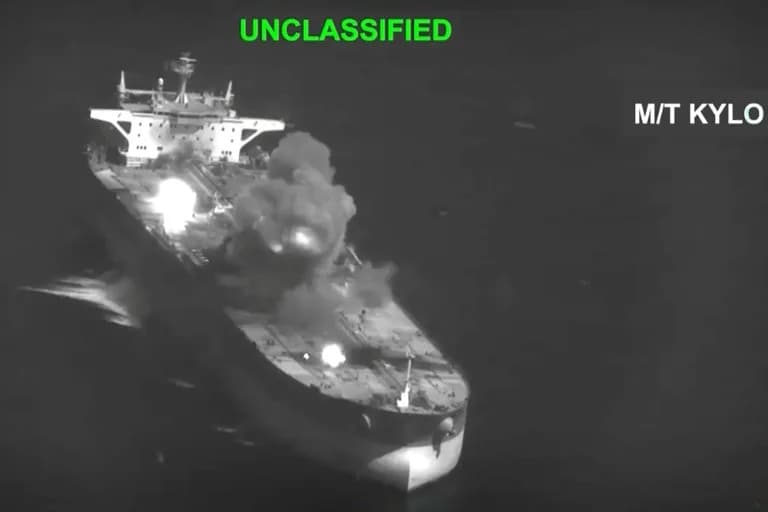
The US and Iran exchanged limited strikes after reports an American Apache helicopter was downed over the Strait of Hormuz. Iran's IRGC said it launched drone and missile attacks on US-linked targets in Bahrain, Kuwait and Jordan; those claims remain unverified. Analysts say both sides so far have kept responses limited, but the risk of tit-for-tat escalation is high. Deadly violence also continued in southern Lebanon, where authorities reported at least 17 killed.
Iran War Day 103: US Strikes After Reported Helicopter Downing — IRGC Says It Retaliated Across Gulf
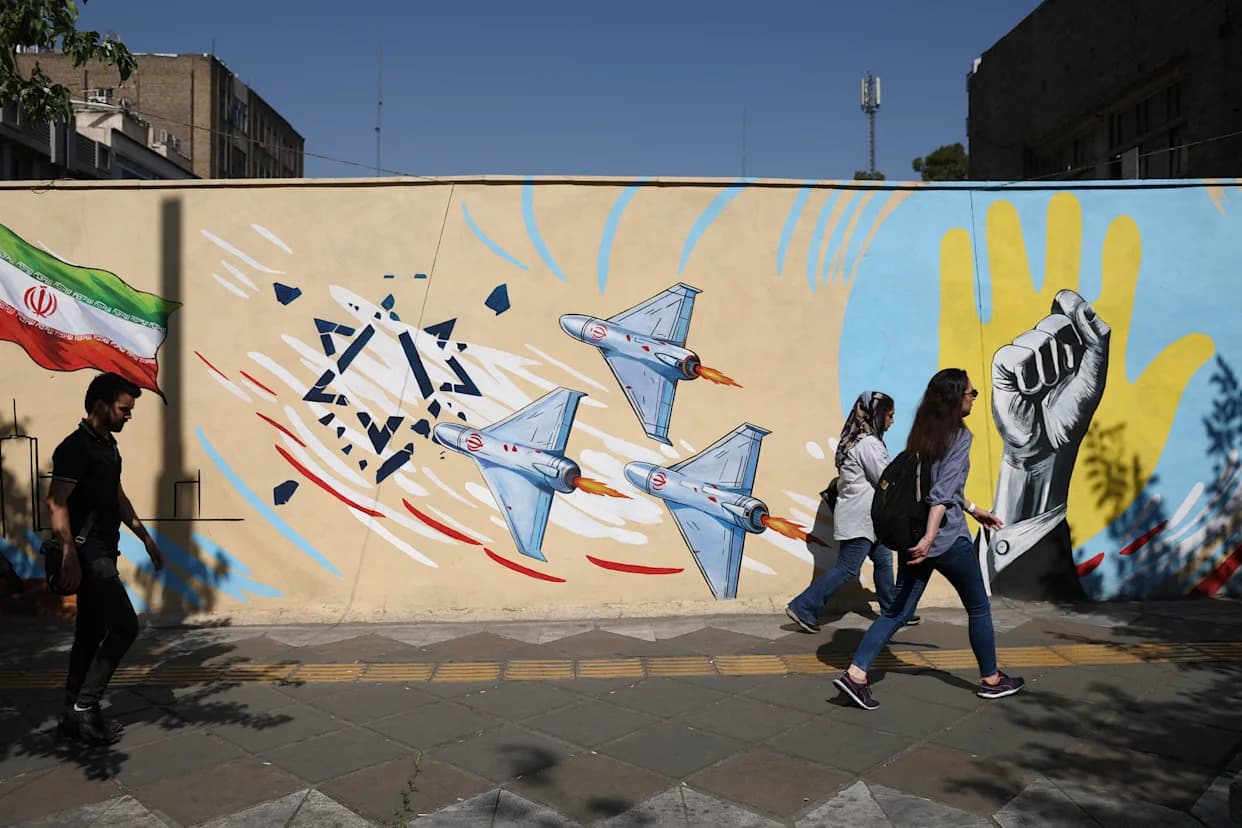
People walk next to an anti-Israeli mural on a street in Tehran, Iran, on June 8, 2026 [Majid Asgaripour/WANA/Reuters]
Tensions between the United States and Iran rose sharply after Iran's Islamic Revolutionary Guard Corps (IRGC) said it launched drone and missile strikes on US-linked military targets in Bahrain, Kuwait and Jordan in response to earlier American strikes on southern Iran.
Key Developments
US Says It Carried Out "Self-Defence" Strikes: The US military said it conducted limited strikes on Iranian targets after reports that an American Apache attack helicopter was downed over the Strait of Hormuz. Washington described the action as a self-defence response to the helicopter incident.
IRGC Claims Retaliatory Attacks: Iran's Revolutionary Guard announced it had launched drone and missile attacks on US-linked facilities in Bahrain, Kuwait and Jordan. The IRGC also claimed a drone strike on the US Fifth Fleet in Bahrain and a missile strike on an airbase in Jordan that it said hosted US personnel; those assertions have not been independently verified.
Explosions Near the Strait of Hormuz: Iranian state media reported strikes and explosions on Qeshm Island and a projectile impact in the port city of Sirik. Residents also reported blasts near Bandar Abbas and Jask, locations close to one of the world's most important oil shipping routes.
Kuwait Activates Air Defences: The Kuwaiti army said its air-defence systems were intercepting "hostile aerial targets" and urged residents to follow official safety guidance and rely on authorised sources for information.
Casualties and Regional Violence: Meanwhile, violence in southern Lebanon continued: Lebanese authorities reported at least 17 people killed and dozens wounded in attacks across the region. The Israeli military issued a new displacement order for the city of Tyre, including its Christian quarter, forcing thousands to flee before strikes hit the city.
What Officials and Analysts Say
Iranian Response and Deterrence: Iranian Foreign Minister Abbas Araghchi warned that Tehran would "leave no attack or threat unanswered," signaling a commitment to respond to perceived strikes on Iranian territory. Al Jazeera reporting from Tehran quoted Iranian officials as stressing that failing to retaliate would be seen as weakness and could invite further pressure.
Analysts See Limited Exchanges So Far: Retired US General Mark Kimmitt told reporters the relatively narrow scope of strikes by both sides may indicate an effort to contain the crisis rather than escalate it. Al Jazeera's Alan Fisher noted the US strikes appeared to target radar and missile-defence sites rather than broader strategic infrastructure, and that the coming hours would be decisive for whether the ceasefire holds or reciprocal retaliation intensifies.
Verification and Risk
Many of the IRGC's claims — including damage to F-35 hangars and a command-and-control centre in Jordan — remain unverified by independent sources. Both sides appear to have so far limited the scope of their actions, but the situation remains volatile and the risk of tit-for-tat escalation is high.
Bottom line: A cycle of limited strikes has reopened dangerous lines of confrontation across the Gulf and Levant. Verification of battlefield claims is incomplete, and the next responses from Washington and Tehran will determine whether diplomacy can reassert itself or whether exchanges widen into broader conflict.
Help us improve.