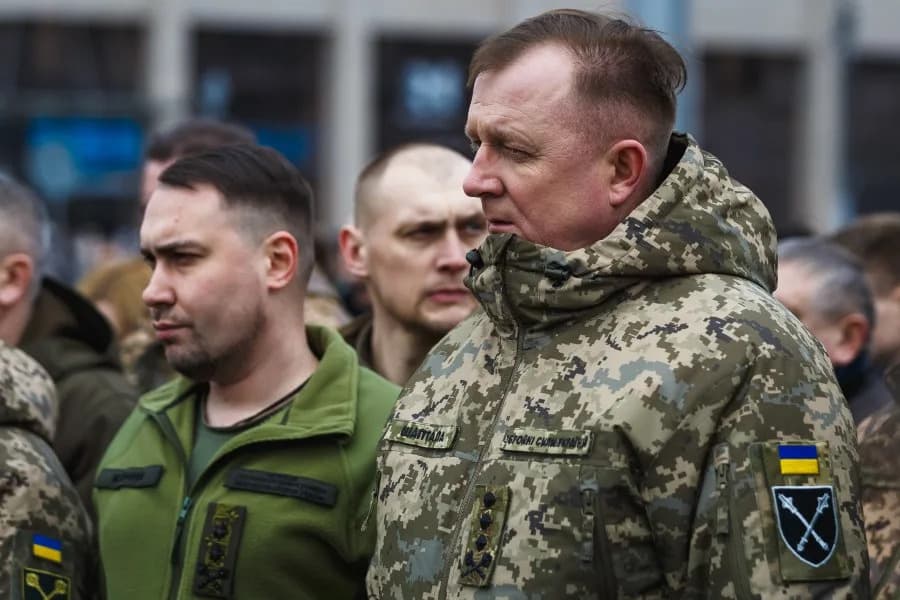
The Uppsala Conflict Data Program reports that global conflicts and battle deaths surged in 2025, reaching roughly 244,600 fatalities—up from about 187,000 in 2024. Interstate conflicts doubled to eight, the highest level since UCDP began compiling data in 1946, while total recorded conflicts reached 65, with 13 classified as wars. The Russia-Ukraine war accounted for about 62% of battle deaths; a fivefold rise in one-sided violence, driven mainly by Sudan, pushed civilian fatalities to their highest level since the 1994 Rwandan genocide. Analysts say the trends raise questions about the future of Pax Americana and the liberal world order.
Global Conflicts Surge to Post‑WWII Highs as Battle Deaths Rise to ~245,000, UCDP Finds
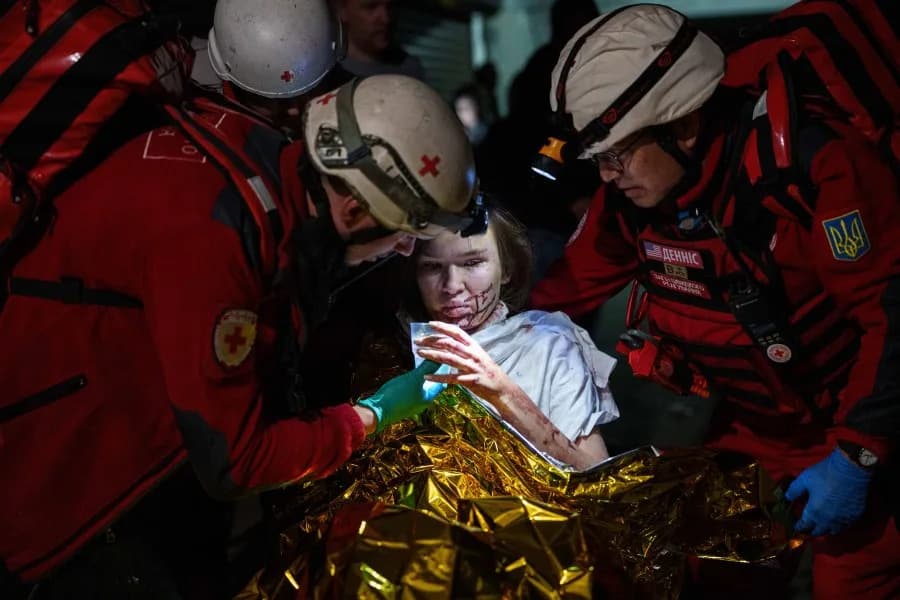
Global conflicts at highest level since WWII
A new report from the Uppsala Conflict Data Program (UCDP) at Uppsala University shows a dramatic rise in global armed conflict and fatalities in 2025, levels not seen since World War II. The dataset records a sharp increase in deaths from organized violence and a notable uptick in interstate confrontations.
Key Findings
Fatalities: Deaths from organized violence rose from roughly 187,000 in 2024 to about 244,600 in 2025, according to UCDP figures.
Interstate Conflict: Direct conflicts between states doubled to eight in 2025—the highest number of interstate conflicts recorded since UCDP began collecting data in 1946.
Total Conflicts: Including intrastate fighting (government forces versus armed groups), UCDP recorded 65 ongoing conflicts in 2025, with 13 of those classified as wars.
Top Deadliest Wars: The Russia-Ukraine war accounted for roughly 62% of battle-related deaths in 2025. The Israel-Hamas war was the second deadliest, followed by the crisis in Sudan.
"It is not only a story of more conflicts, but also of extremely high levels of lethal violence. Most notably, we see a dramatic increase in violence directed against civilians, particularly in Sudan," said Therése Pettersson, UCDP senior analyst and project manager.
One-Sided Violence: UCDP identifies a roughly fivefold increase in one-sided violence (killings of civilians) compared with the previous period, driven largely by large-scale civilian-targeted violence in Sudan. This surge produced the highest recorded levels of one-sided fatalities since the 1994 Rwandan genocide.
Implications
Researchers warn that the increase in interstate confrontations and high civilian casualties raises broader questions about international stability and may signal a shifting global order. The report's authors suggest these trends "lend credence to the growing number of voices arguing that we are witnessing the end of 'Pax Americana' and the liberal world order."
Source: Uppsala Conflict Data Program (UCDP), Uppsala University.
Help us improve.