
The weekend exchange of strikes between Israel and Iran — carried out despite President Trump’s public urging of restraint — highlights fragile regional ceasefires and the potential for rapid escalation. Tehran appears to have sought to link separate theatres of conflict and to strengthen its hand at the negotiating table by accepting the risk of strikes on its own territory. Washington says a diplomatic solution is near, but core disagreements over sanctions relief and frozen assets remain unresolved, leaving the region vulnerable to further clashes.
Israel–Iran Exchange Strengthens Tehran’s Bargaining Hand and Risks Wider Escalation
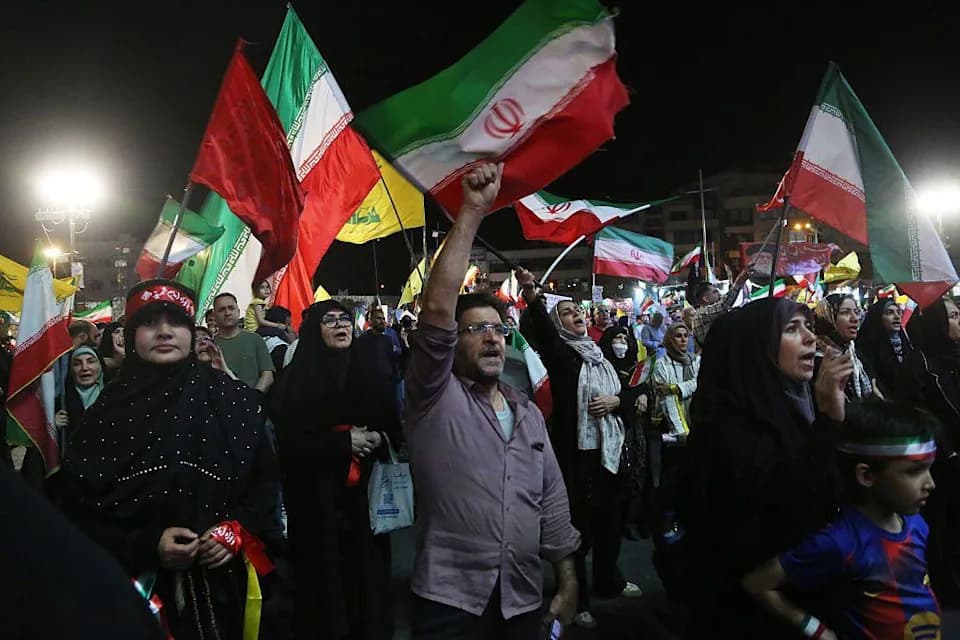
A pro-government protest in Tehran on Monday [Anadolu via Getty Images]
Israel and Iran exchanged strikes over the weekend in a sharp reminder of how fragile ceasefires and alliances in the Middle East remain. Despite US President Donald Trump publicly urging Prime Minister Benjamin Netanyahu to stand down, Israel struck targets inside Iran for the first time since an April ceasefire after Tehran launched missiles at Israel in what it said was retaliation for Israeli strikes on Beirut.
What Happened
Iran fired missiles toward Israel following Israeli attacks on Lebanon's capital. Hours later, Israeli jets hit sites inside Iran. Both sides later signalled a pause but warned they could resume if the ceasefire was breached.
US Role And Coordination
The incident exposed tensions between Washington and Jerusalem. Mr Trump told reporters he planned to call Mr Netanyahu and urge restraint, and later said Israeli aircraft were already en route when he spoke. The Israel Defense Forces reported "full coordination" with US Central Command and said US forces assisted in intercepting some missiles. Veteran US negotiator Aaron David Miller described Mr Trump’s posture as a "blinking yellow light," meaning limited tacit approval coupled with calls for caution.
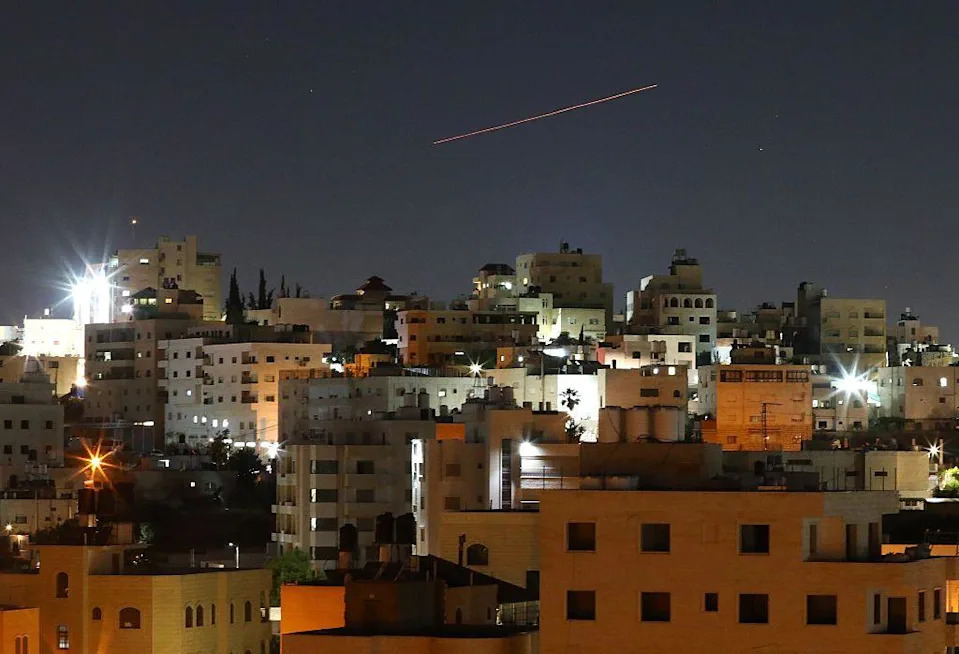
A missile launched from Iran towards Israel is seen in the sky on Sunday [Anadolu via Getty Images]
If I tell him to do something, he does it, the US president said in defence of his influence over the Israeli leader.
Why Tehran Struck
Iran appears to have fired to achieve two strategic aims: to link the separate theatres of conflict — its wider confrontation with the US and the Israel–Hezbollah fight in Lebanon — and to test how far the US would back an Israeli counterattack. Tehran’s leaders framed the strikes as strengthening their negotiating position, arguing that military pressure and diplomacy are dual instruments of national power.
Negotiations And Economic Pressure
Iran’s economy is under sustained strain, worsened by a US naval blockade of some ports and by sanctions. Tehran is pushing Washington for immediate sanctions relief and access to tens of billions in frozen oil revenues. The US administration, while publicly pushing for a quick deal to reopen the Strait of Hormuz and lower oil prices, has so far refused to unfreeze assets up front — a key sticking point in talks.
Risks Ahead
The episode may have strengthened Iran’s bargaining hand, but it also raises the risk of miscalculation. Continued tit-for-tat strikes could pull the US and Iran back into broader direct confrontation or further destabilise the region. For now, both sides say they will pause, but analysts warn that any renewed breach could rapidly escalate into wider conflict.
Key Players Quoted: President Masoud Pezeshkian of Iran said the strikes bolstered Iran's negotiating leverage, while Israeli officials defended strikes as necessary to deter Hezbollah and protect northern Israel.
Help us improve.





















