
Key point: Iran’s missile strikes on Israel and moves to restrict passage through the Strait of Hormuz show Tehran’s readiness to risk wider war. What began as a U.S.–Israeli offensive 100 days ago has not toppled Iran; instead, Tehran now demands that Israel halt operations against Hezbollah as part of any deal. Tension between Donald Trump and Benjamin Netanyahu over Israeli restraint could determine whether the conflict escalates, with major implications for global energy supplies and the world economy.
Iran’s Confidence Risks Catastrophe as Trump’s War Stalemate Deepens
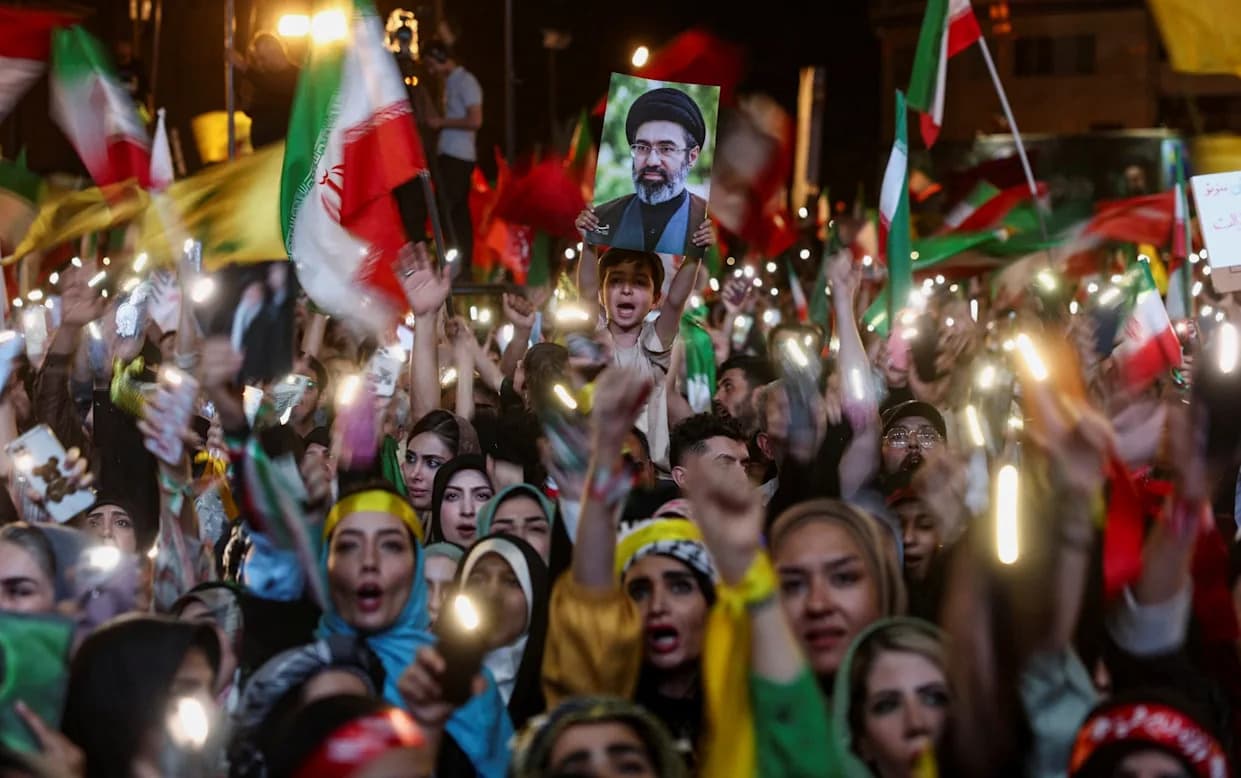
Iranians rally in support of Mojtaba Khamenei, the Supreme Leader, after the missile attack on Israel - Majid Asgaripour/WANA/Reuters
By launching missile salvos at Israel and helping to close the Strait of Hormuz, Iran’s leadership is openly risking punitive retaliation and a slide back into full-scale war. That willingness to take extraordinary risks reveals how confident Tehran believes it is in the current standoff.
It was not meant to unfold this way. When the United States and Israel began a major offensive exactly 100 days ago, on Feb. 28, they expected a rapid collapse of the Iranian regime after a high-profile strike intended to decapitate Iran’s leadership. Instead, Iran survived, replaced lost officials and has responded with measures — including restrictions on shipping through the Strait of Hormuz — that have already raised the economic and geopolitical stakes.
Rather than buckle, Tehran has begun to set its own conditions. The Iranian government is demanding that Israel halt operations targeting Hezbollah in Lebanon as a precondition for any broader arrangement with the United States to end hostilities.
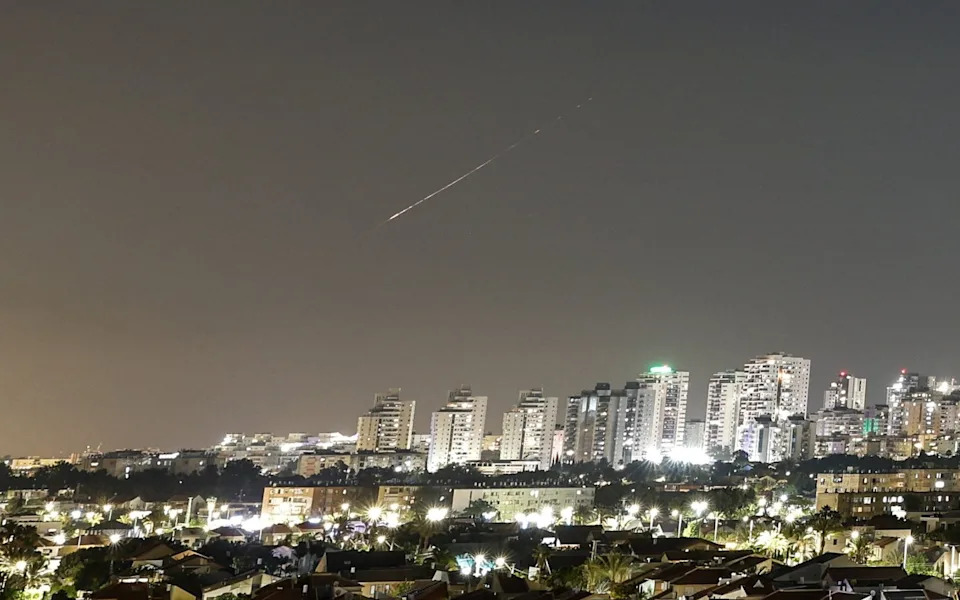
By attacking Israel, Iran’s leaders are risking making themselves the targets of a joint onslaught by Israel and America once again - Amir Cohen/Reuters
Iran appears to believe that President Donald Trump is eager enough for a deal that he might try to restrain Israel — or even pressure Prime Minister Benjamin Netanyahu — to avoid escalating the conflict. By engaging with U.S. envoys and dangling the prospect of negotiations without concluding them, Tehran is attempting to drive a wedge between Washington and its closest regional ally.
Recent developments suggest that this gambit has some traction. Last Monday, Mr. Trump telephoned Mr. Netanyahu and urged him to call off Israel’s campaign in Lebanon on the grounds that further action could endanger talks with Iran. The call produced a tense exchange between the two leaders.
“I was a little bit perturbed at his constantly fighting with Lebanon,”
Even if Washington urges restraint, political realities in Israel — including direct attacks on Israeli territory and the approach of a general election — may make it politically difficult for Mr. Netanyahu to stand down. If Israel retaliates in line with its longstanding doctrine of swift, overwhelming response to attack, the conflict could rapidly expand, forcing Mr. Trump to choose between joining a joint offensive or remaining on the sidelines.
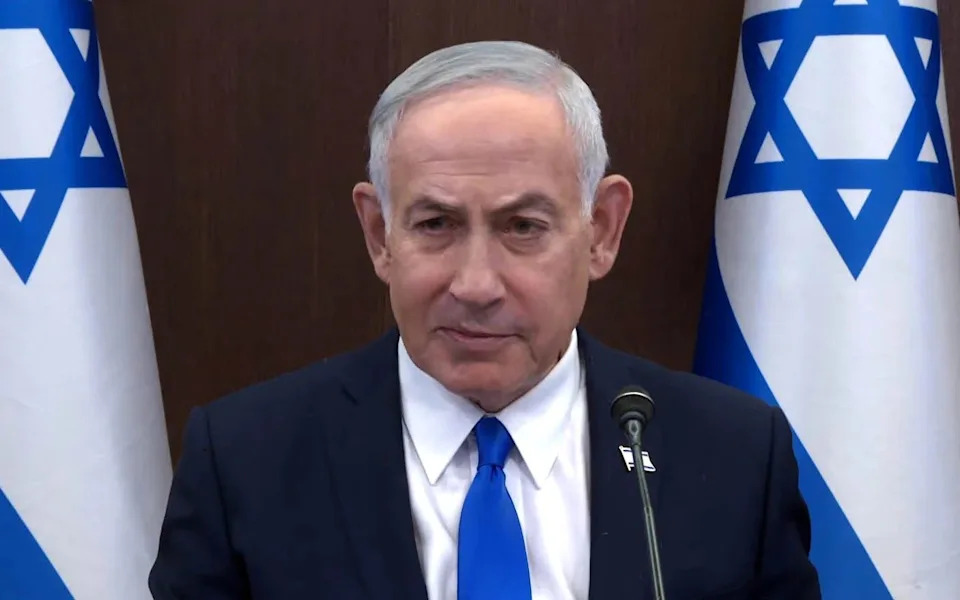
Iran is hoping to drive a wedge between Benjamin Netanyahu and Donald Trump, his only ally
Either path would likely make a quick diplomatic settlement with Iran impossible and could keep the Strait of Hormuz effectively closed, straining global supplies of oil, gas and fertilizer and heightening the risk of a broader economic crisis. In that environment, the rationale for renewed U.S. military pressure would grow.
Tehran’s current confidence may therefore prove to be a miscalculation. Its leaders are dangerously close to once again becoming the target of a combined Israeli–U.S. campaign. Having endured heavy strikes before, they appear willing to test whether they can survive another round — but the consequences for the region and the global economy would be severe if they are wrong.
No one can predict with certainty which way this will go. Two facts are nonetheless clear: the world cannot indefinitely absorb the loss of commerce through the Strait of Hormuz without serious economic fallout, and any eventual settlement that extricates the United States from this quagmire is likely to fall well short of the maximal demands some U.S. leaders once publicly sought.
Iran’s attempt to leverage negotiations to split the U.S.–Israel relationship is a strategic signal in itself — one that could either secure Tehran greater room to maneuver or precipitate a catastrophic escalation.
Help us improve.





















