
Former child soldier Yusuf Ali, now 34, recounts being drawn into Mogadishu’s urban warfare as a teenager and still suffers recurring trauma. He and many peers received no counselling after the conflict; Somalia has almost no community-based mental health services and only around 82 professionals nationwide. Between 2021 and 2024 the UN documented more than 2,800 cases of child recruitment, underscoring a continuing crisis. Experts call for expanded psychosocial care, vocational reintegration and stronger measures to prevent recruitment.
“It Was Either Kill Or Be Killed” — The Ongoing Nightmares Of A Former Child Soldier In Mogadishu
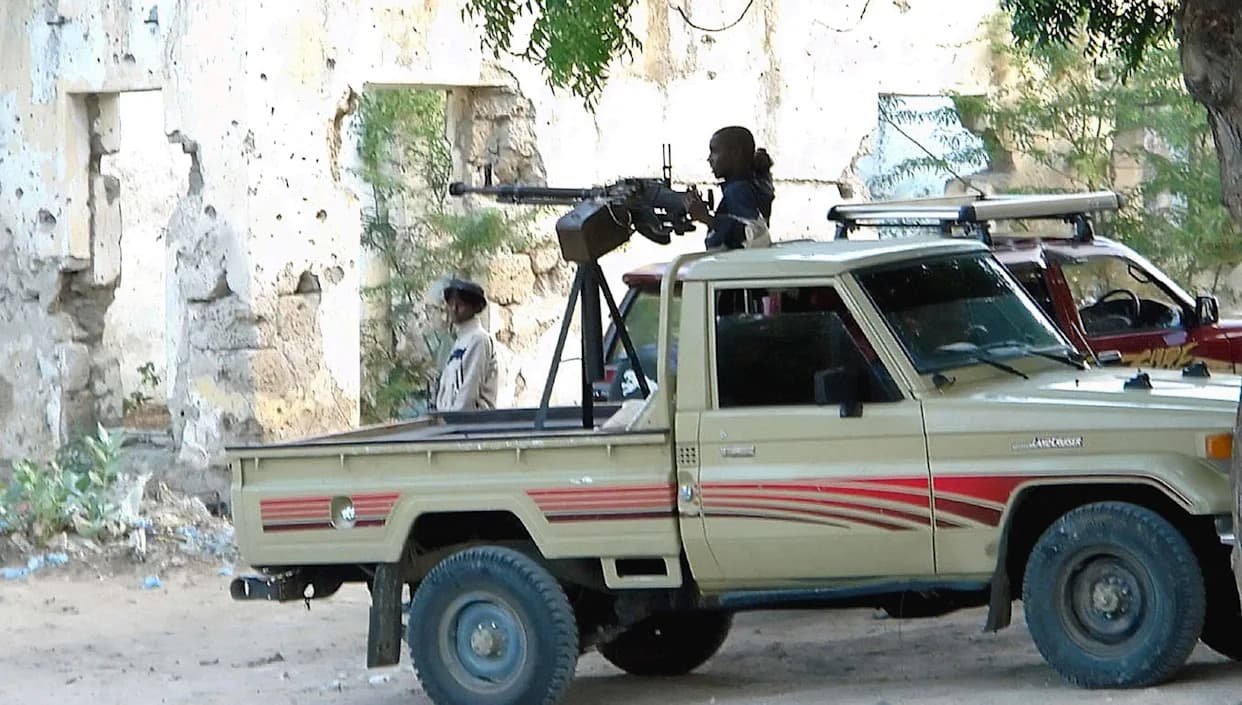
Fighters from the Union of Islamic Courts took control of Mogadishu in June 2006 [Getty Images]
Warning: This article contains descriptions of violence and trauma that some readers may find upsetting.
Yusuf Ali, now 34 and working as a shopkeeper, still wakes from nightmares of his teenage years fighting in Mogadishu. Recruited as a child during the chaotic years after the rise of the Union of Islamic Courts and Ethiopia’s 2006 intervention, Ali’s story highlights a wider, underreported crisis: the psychological scars and lack of care for former child fighters in Somalia.
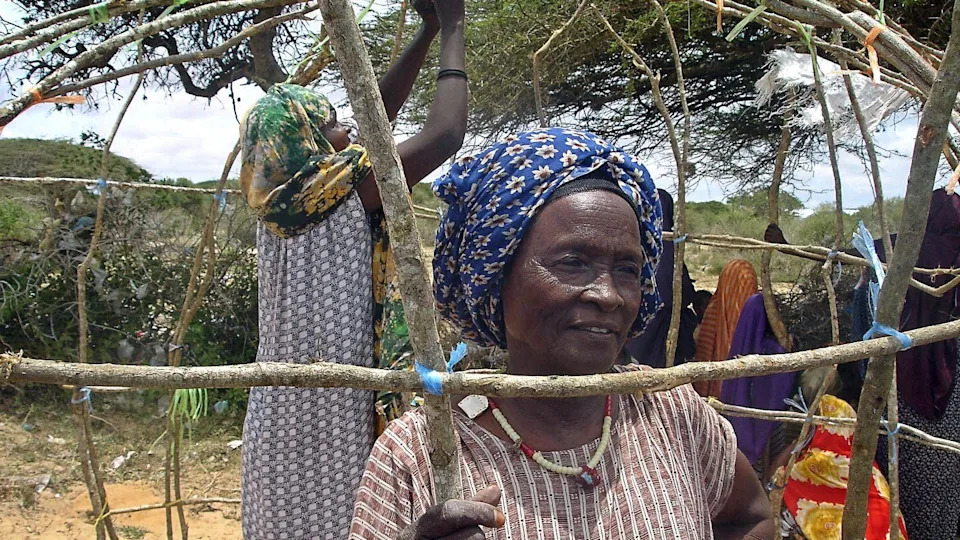
Hundreds of thousands fled to Elasha Biyaha, setting up makeshift shelters to escape the fighting in Mogadishu [AFP via Getty Images]
From Childhood Loss To Frontline Combat
Ali grew up in Huriwaa, a poor district in north Mogadishu. He was just one year old when his father was killed in what is widely remembered as the "Battle of Mogadishu." Years later, as a 14-year-old, he witnessed intensified urban warfare, aerial surveillance and bombardment during the Ethiopian invasion that began in late 2006.
"At night, I'd often hear a buzzing sound... these were planes surveilling our neighbourhood," Ali told the BBC.
Displaced to the Elasha Biyaha district, Ali and many other youths were radicalized by local rhetoric calling opponents "Gaalo" (infidels). By 16 he had joined Muqawama — a coalition of splinter groups allied with al-Shabab — trained in small-arms tactics and engaged in street-by-street fighting. He describes the brutal calculus of urban combat: "It was either kill or be killed."
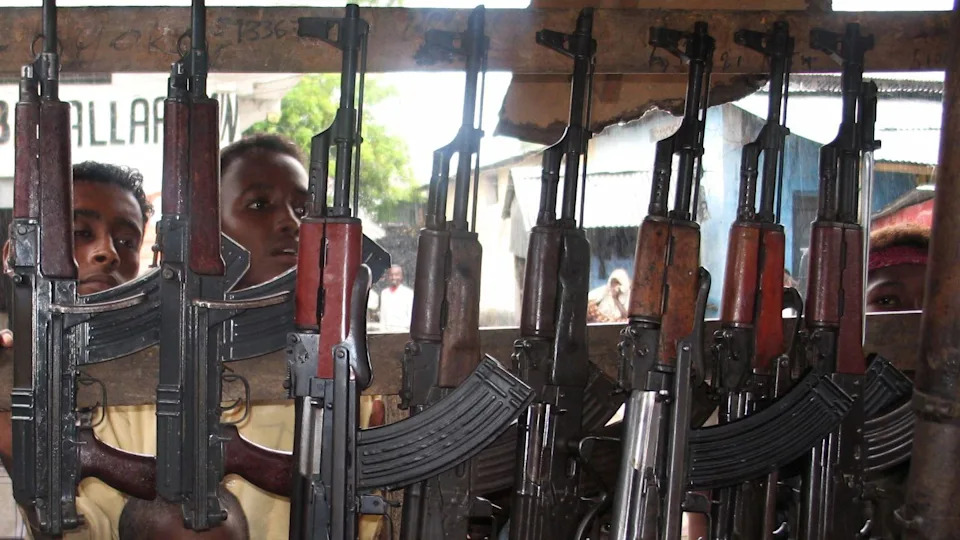
Following the collapse of Somalia's government in 1991 it was easy to buy a weapon in Mogadishu [MCT/Getty Images]
Flight, Return And A City Rebuilding — But Not Healing
In 2009 Ali was smuggled to Johannesburg to live with an uncle and work in a shop. Xenophobic attacks targeting foreign-owned businesses drove him back to Mogadishu after five years. He returned to a city with paved roads, restaurants and functioning infrastructure in parts — but with ongoing political fragmentation and a persistent al-Shabab presence outside the capital.
Ali lives with his wife and young son in Huriwaa. He has never received counselling for his wartime experiences. He says many former child fighters he knows have slipped into addiction or keep their trauma to themselves: "In Somalia, we don't talk about our problems. We pray and keep things to ourselves. This is the culture here and is the reason why many people are hurting but most don't realise it."
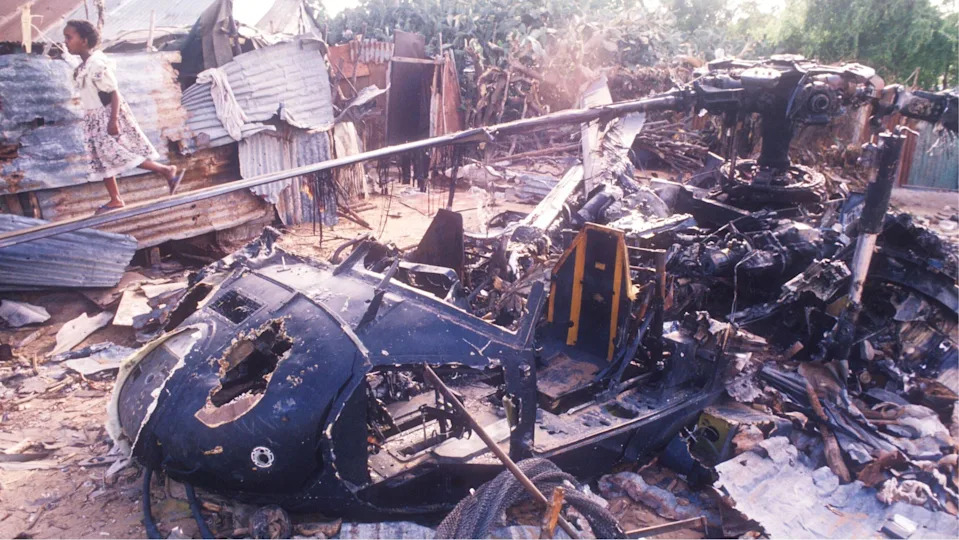
Yusuf Ali's father died in the fighting that followed the downing of US Black Hawk helicopters in 1993 [Scott Peterson / Getty Images]
Systemic Gaps: Mental Health And Child Recruitment
Experts warn that the normalisation of violence in many communities makes trauma invisible. Ilyas Adam, a human rights legal consultant, says untreated trauma fuels social exclusion, chronic mental illness and increases the risk of re-recruitment.
International data underscores the scale of the problem: a 2021 World Health Organization review found Somalia’s community-based mental health services nearly non-existent, and follow-up reporting suggested there were only 82 mental health professionals nationwide. Between 2021 and 2024 the UN documented more than 2,800 cases of child recruitment, with some children as young as eight. While al-Shabab accounts for the majority of cases, the UN recorded 101 cases involving government forces.
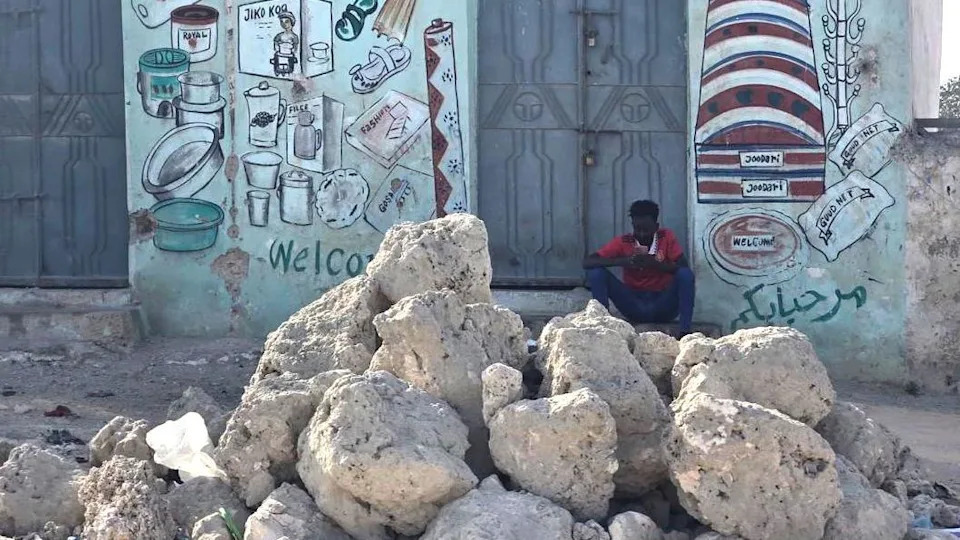
Piles of rubble seen in Huriwaa today are a reminder of previous conflicts [Mohamed Gabobe]
Efforts to address recruitment and reintegrate former fighters are limited. Mursal Khalif, head of the Ministry of Defence’s Child Protection Unit, says initiatives such as vocational training schools exist but progress is slow and sometimes meets community resistance, described by some as a "Western agenda." In neighbourhoods like Huriwaa, state and international services rarely operate without heavy security.
Memories That Won't Fade
For Ali, ordinary places remain charged with memory: houses he used as firing positions, a mosque that witnessed a 2008 raid and the abduction of children. Two decades after the worst of the urban fighting, the cycle of violence continues in different forms — with political clashes, targeted assassinations and intermittent confrontations that keep communities on edge.

[Getty Images/BBC]
Ali’s story is a human portrait of Somalia’s broader challenges: how a generation exposed to violence struggles in the absence of mental health care, how recruitment of children persists, and how recovery requires both security and sustained psychosocial support.
What Needs To Change: Expanded, community-based mental health services; sustained reintegration and vocational programs for ex-child soldiers; public mental health outreach to reduce stigma; and stronger monitoring to prevent recruitment by all armed actors.
Help us improve.





















