
Researchers reported a string of diverse discoveries: scientists revived cold-adapted yeasts from Ötzi the Iceman and used them to bake a sourdough described as "very very good." Archaeologists uncovered Asia’s oldest-known cranial trepanation, 17,000-year-old U.K. rock art and an 1,800-year-old Roman house beneath a school. Google applied to the EPA for an experimental release of 64 million Wolbachia-infected male mosquitoes; NASA declared its MAVEN Mars orbiter dead after 11 years. Volcanologists warned that some "extinct" volcanoes, like Methana near Athens, may still awaken after long dormancy.
Science This Week: Ötzi’s Yeast Bakes Sourdough, Teens Unearth Roman House, MAVEN Declared Dead
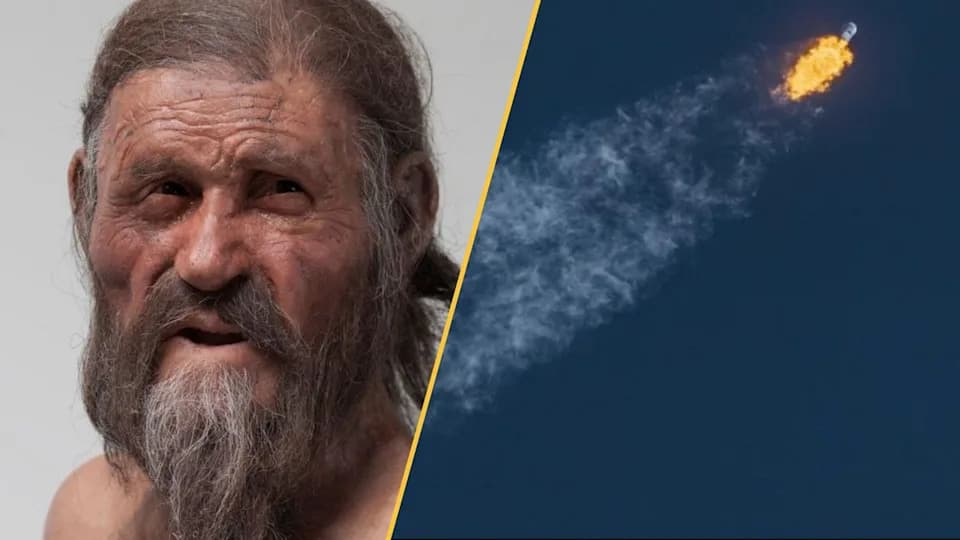
Ötzi the Iceman yeasts make sourdough, Italian teenagers discover Roman villa under school, Google plans to release 64 million mosquitos, and RIP to NASA's Maven probe. | Credit: South Tyrol Museum of Archaeology/Augustin Ochsenreiter/All rights reserved | VCG/VCG via Getty Images
Surprising discoveries and big scientific updates dominated this week’s headlines, spanning archaeology, biology, space and geology. From revived glacier yeasts used to bake sourdough to a NASA mission declared finished, researchers shared a string of findings that illuminate ancient lives and modern science alike.
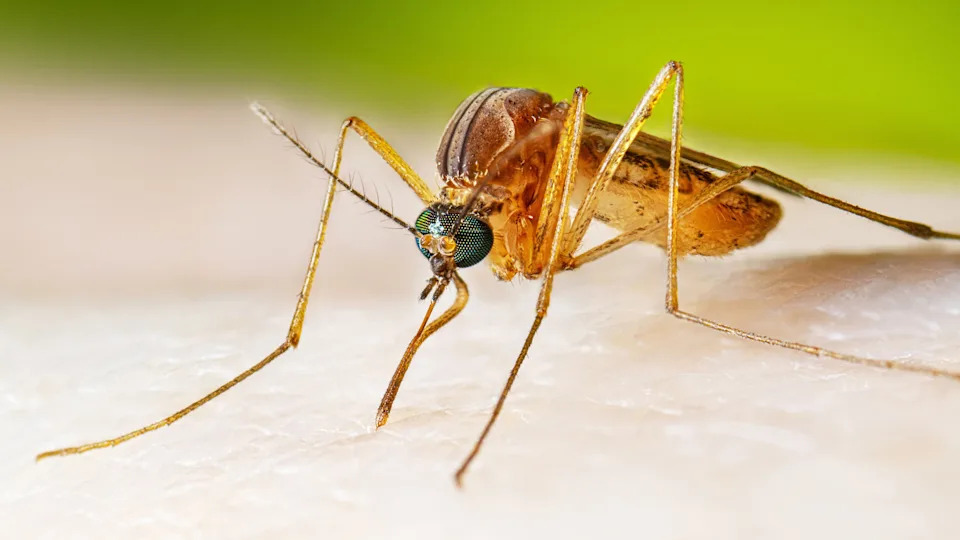
Southern house mosquitoes spread West Nile virus and other diseases. | Credit: Smith Collection/Gado/Getty Images
Archaeology and Ancient Biology
Ötzi the Iceman — the naturally mummified man recovered from Italy’s Ötztal Alps in 1991 — continues to yield unexpected insights. Scientists report that at least four cold-adapted strains of glacier-associated yeast colonized Ötzi’s remains shortly after his death roughly 5,300 years ago. Some strains remain viable and were used to ferment a sourdough the research team described as "very very good." The result offers a rare glimpse into ancient microbial ecosystems and how they persist over millennia.

Scientists have a general idea about how strong gravity is, but they don't yet have a precise value for this fundamental force. | Credit: AscentXmedia via Getty Images
Other archaeological highlights this week included the identification of what researchers describe as Asia’s oldest recorded cranial trepanation — a skull surgery on a child — found in what is now Uzbekistan, and the reidentification of 17,000-year-old rock art as the oldest known in the U.K. In another surprising find, Italian teenagers uncovered an approximately 1,800-year-old Roman house beneath their high school gym.
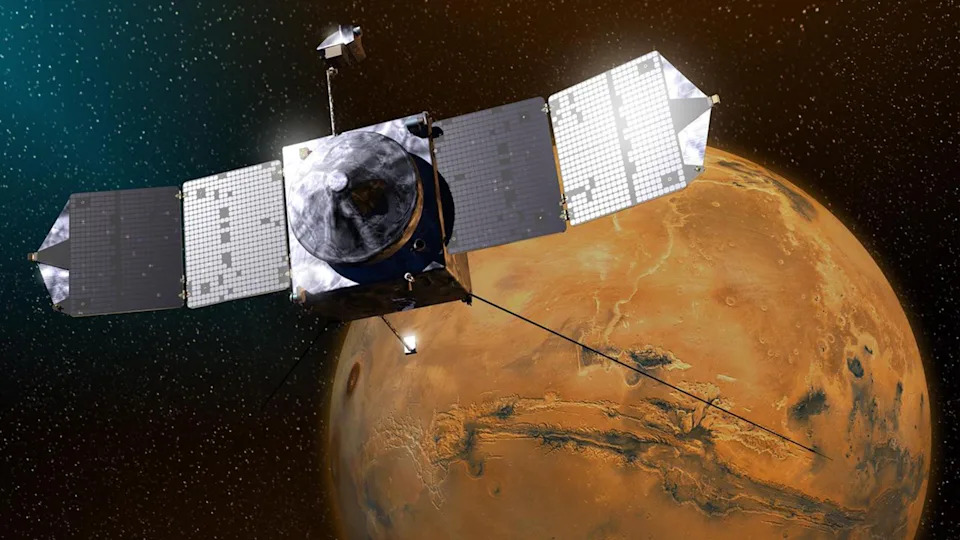
An artist’s concept of NASA’s MAVEN spacecraft at Mars. NASA lost contact with MAVEN in Dec. 2025, and determined it to be “unrecoverable” on June 3, 2026. | Credit: NASA/GSFC
Biology and Health
Genomics also made headlines: scientists published the first whole-genome sequence of the Greenland shark, the longest-lived vertebrate known, in search of genetic clues to its extreme longevity and apparent cancer resistance. Meanwhile, medical and public-health briefs this week included reports of a flesh-eating screwworm in Texas cattle, a study linking a single header in soccer to short-term rises in brain-injury proteins, and an experiment giving mouse eyes limited photosynthetic capability — without the animals turning green.
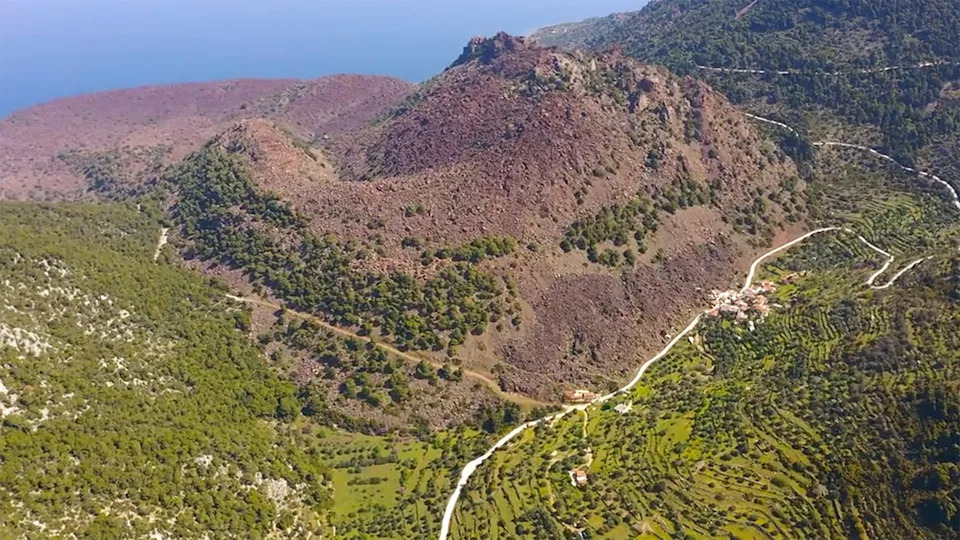
The "extinct" Methana volcano, near Athens, was once quiet for nearly 110,000 before awakening and erupting energetically. | Credit: Posnov via Getty Images
Tech, Public Health and Regulation
Google applied to the U.S. Environmental Protection Agency for an experimental permit to release up to 64 million non-biting male southern house mosquitoes (Culex quinquefasciatus) infected with the bacterium Wolbachia pipientis. Infected males do not bite but can sterilize females they mate with, reducing future mosquito populations and transmission of diseases such as West Nile virus. The EPA treated the application as of potential regional and national significance; a public comment period closed on June 5 and a final decision is pending.
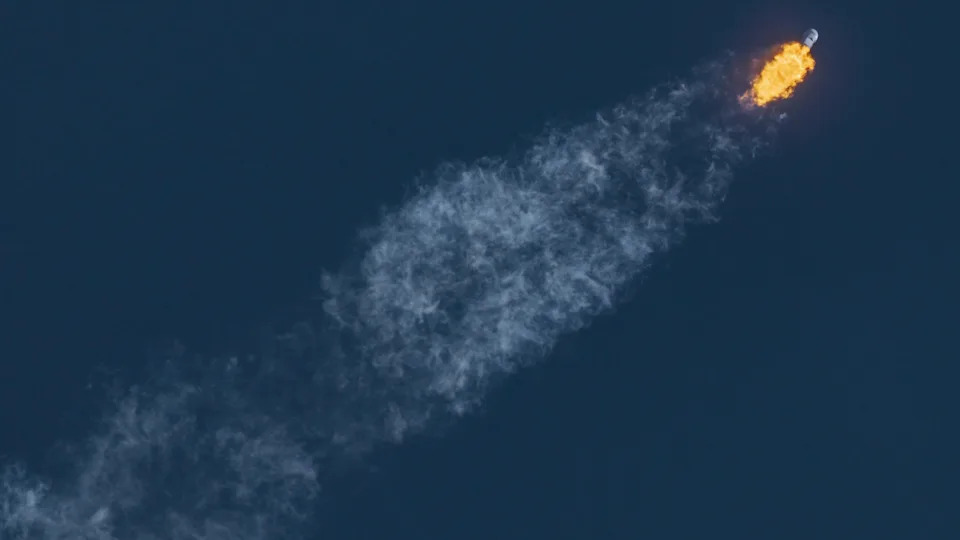
The Long March 12B is a reusable, commercial rocket that will help China to build its own satellite megaconstellations. | Credit: VCG/VCG via Getty Images
Space and Planetary Science
NASA announced a formal end to the MAVEN (Mars Atmosphere and Volatile Evolution) mission after 11 years. The orbiter stopped communicating in December when it passed behind Mars and failed to reestablish contact; a February review suggested an unusually rapid spin may have drained battery power, and the agency now considers the spacecraft lost.
Other space news this week includes accidental detection of magnetic fields around several exoplanets, identification of a repeating radio signal’s origin in a compact binary system, the James Webb Space Telescope’s discovery of an extremely distant dormant black hole, and forecasts that the coming El Niño may be especially strong.
Geology and Volcanoes
Volcanologists called attention to the possibility that some so-called extinct volcanoes are instead dormant. A fresh analysis of Methana, near Athens, found the volcano lay inactive for roughly 110,000 years before showing renewed activity — a finding that prompts reevaluation of how geologists classify long-silent volcanic systems.
Further Reading
Coverage this week also included news analysis on Microsoft’s latest quantum processor, investigations into homeowner associations and insect declines, psychological research into paranormal experiences, and a variety of long-form science features and crosswords. For ongoing updates, Live Science offers social channels and a WhatsApp feed for breaking discoveries.
Help us improve.





















