Illegal "ghost" or "stealth" number plates use reflective sprays, films or small character changes to frustrate ANPR cameras, enabling offenders to avoid detection and charges. A cross-party report estimates up to 1 in 15 UK vehicles may carry non-compliant plates and highlights concerns about the unregulated number-plate market. MPs have urged standardised designs, supplier background checks and MOT compliance checks; the Department for Transport says it is considering tougher penalties and enforcement.
How 'Ghost Plates' Let Criminals Bypass UK ANPR Cameras — And What’s Being Done
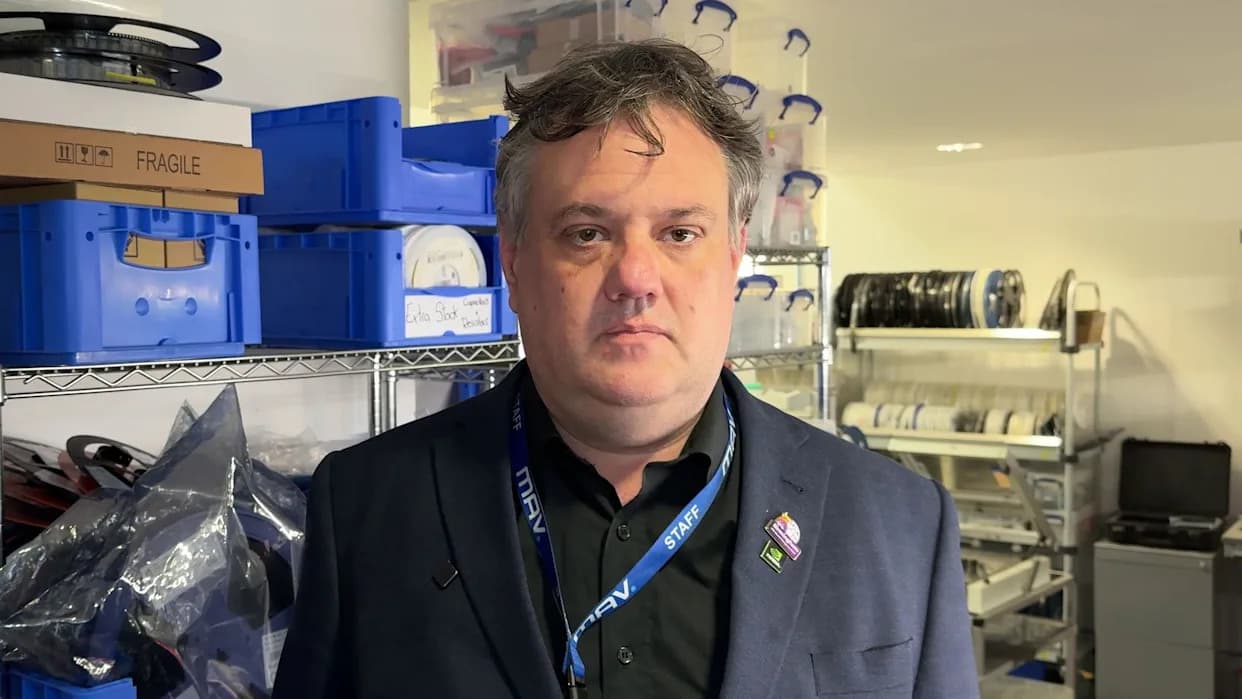
Ex-police officer Chris Shepherd says "ghost plates" are helping organised criminals get away with serious offences [BBC]
A growing number of vehicles on UK roads are fitted with so-called "ghost" or "stealth" number plates designed to defeat Automatic Number Plate Recognition (ANPR) cameras. Police and transport safety campaigners warn these plates are being used to evade detection by camera networks, avoid road charges and fines, and — in some cases — facilitate serious criminal activity.
What Are Ghost Plates?
Ghost plates are vehicle registration plates that have been illegally altered or treated so that camera systems cannot reliably read the characters. Common methods include highly reflective sprays, transparent films, special coatings and subtle character modifications intended to confuse ANPR software. To the eye they often look normal, but cameras frequently fail to capture a readable registration.
How They Are Being Used
Law enforcement and experts say ghost plates are used for a range of reasons: to drive past speed and red-light cameras without being recorded, to dodge congestion and parking charges, and — critically — to conceal movements by people involved in organised crime. A former British Transport Police officer now with ANPR manufacturer MAV Systems warned that offenders using these plates have been linked to violence, people smuggling, drug trafficking and other serious offences.
Scale Of The Problem
A cross-party parliamentary report published in December estimated that up to one in 15 vehicles on UK roads may carry modified, non-compliant plates. The report also highlighted that there are almost 35,000 businesses selling number plates in the UK, and some suppliers have been found to have serious or violent criminal records.
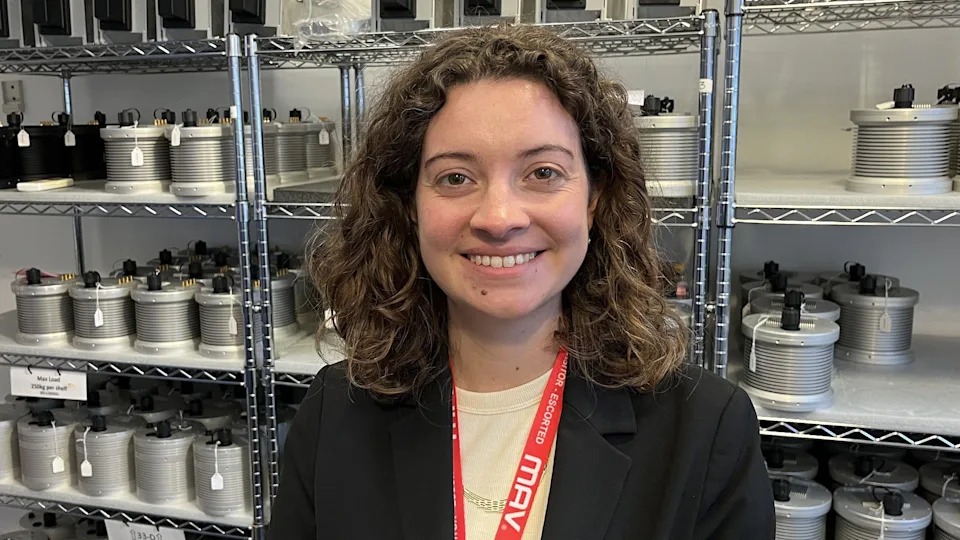
Sarah Coombes MP says the number plate selling system is a "Wild West" [BBC]
Recommendations And Government Response
Parliamentarians recommended a package of reforms including standardising plate design, carrying out criminal-record checks for suppliers, and introducing compliance checks as part of the MOT. The Department for Transport has said tougher penalties for using illegal plates were included in its road safety strategy and that consultations on stricter standards and enforcement have closed; ministers are reviewing responses before announcing next steps.
Chris Shepherd, formerly of the British Transport Police and now at MAV Systems, said new camera technology is being developed to better detect modified plates so that "people becoming a scourge to society and our roads are identified."
Legal Position And Penalties
It is legal to buy a registration plate, but it is a criminal offence to display a non-compliant or illegally altered plate on a vehicle used on public roads. Drivers found using illegal plates can be prosecuted and, in many cases, face a fixed penalty (commonly cited as £100) and other enforcement actions depending on the offence.
What Drivers Should Know
If you buy number plates, use a reputable supplier and ensure the plate conforms to the legal standard. If you suspect a vehicle is using an illegal plate, report it to the police with as much detail as possible (time, location, vehicle make/model and direction of travel). Planned reforms aim to tighten regulation of suppliers and strengthen on-road checks to reduce abuse of the system.
Sources: RAC; Chartered Trading Standards Institute; All-Party Parliamentary Group for Transport Safety; Department for Transport; BBC Radio Kent reporting.
Help us improve.