Kim Jong Un inspected a newly inaugurated nuclear materials production factory and vowed an "exponential" build-up of North Korea's nuclear forces, KCNA reported. State media cited a claim that weapons-grade production capacity has more than doubled over the past five years. Analysts say the facility is likely at Yongbyon and view the move as part of Pyongyang's effort to cement its nuclear status amid wider regional debates, including U.S.-Iran talks. Observers warn the expansion is tied to a growing demand for tactical warheads and signals a rejection of denuclearisation.
Kim Jong Un Vows 'Exponential' Nuclear Build-Up After Inspecting New Atomic Plant
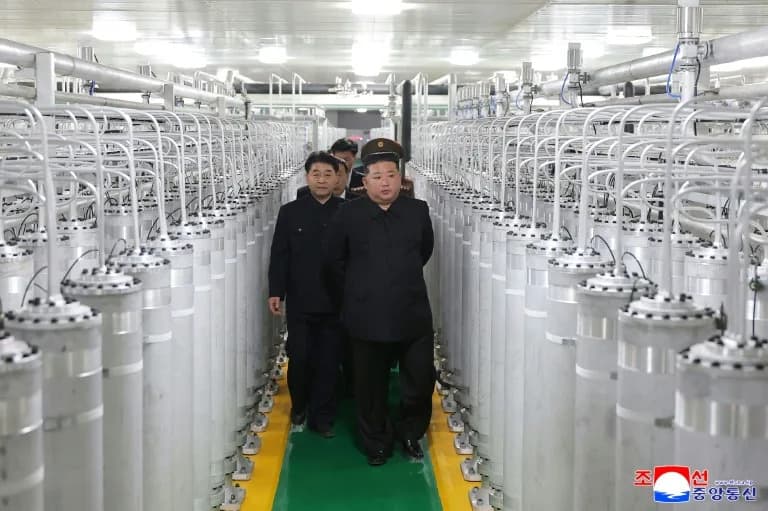
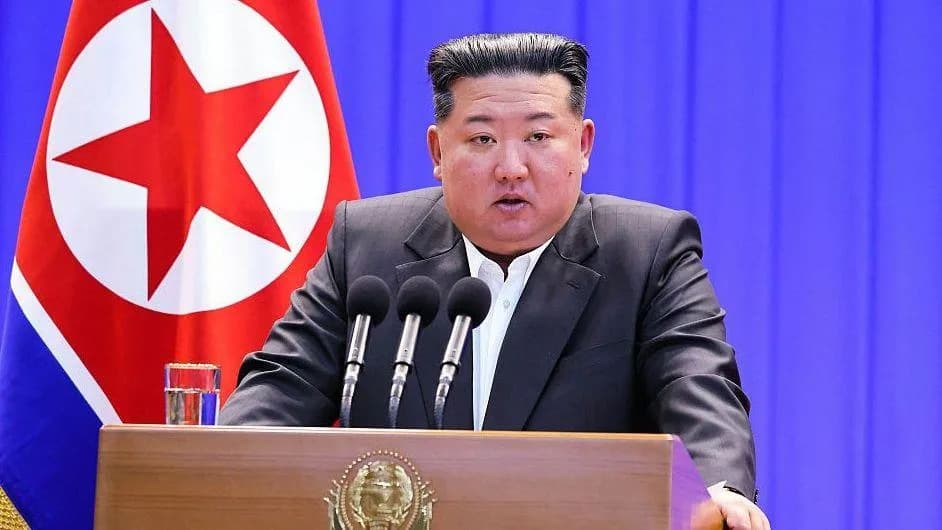
This picture taken on June 3, 2026 and released by North Korea's official Korean Central News Agency (KCNA) on June 4, 2026 shows North Korean leader Kim Jong Un (front R) inspecting the newly-inaugurated nuclear materials production factory at an undisclosed location in North Korea. (STR)(STR/KCNA VIA KNS/AFP)
North Korean leader Kim Jong Un pledged an "exponential" expansion of his country's nuclear forces during an inspection of a newly inaugurated nuclear materials production facility, state media reported.
Pyongyang is believed to operate uranium enrichment facilities at three sites — Yongbyon, Kangson and Kusong. The state-run Korean Central News Agency (KCNA) said Kim toured a "newly-inaugurated nuclear materials production factory" and outlined plans to accelerate the growth of the country's strategic capabilities.
KCNA quoted Kim as saying there was an "ambitious future plan designed to beef up our state's nuclear forces at an exponential rate." He also reportedly said that "weapons-grade nuclear materials production capacity more than doubled during the past 5-year course."
Although KCNA did not identify the plant's exact location, international analysts and experts suspect the facility is likely the recently completed uranium enrichment plant at Yongbyon. Observers say the visit serves both operational and propagandistic purposes for the regime.
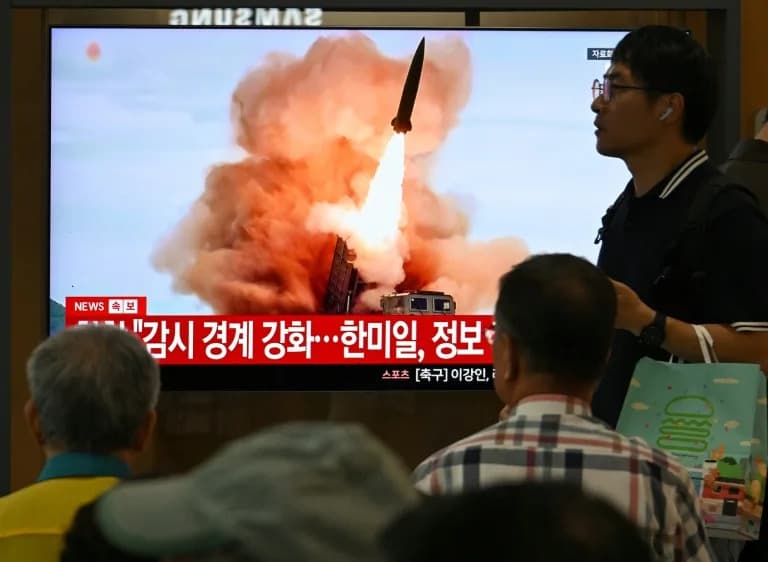
Analysts note Pyongyang has conducted eight missile tests this year, which they interpret as part of a broader campaign to solidify its nuclear status amid perceived erosion of international norms. With parallel discussions over Iran's enriched-uranium stockpile affecting global non-proliferation dynamics, some officials see North Korea's actions as a deliberate signal that denuclearisation is not negotiable for the regime.
Yang Moo-jin, former president of the University of North Korean Studies, told reporters that confirming the plant as Yongbyon would strengthen the regime's domestic and international messaging. Hong Min, an analyst at the Korea Institute for National Unification, said the inspection underscores Pyongyang's push to raise production of nuclear materials to meet rising demand — particularly for tactical warheads that can be deployed on short-range and tactical missiles.
North Korea withdrew from the Non-Proliferation Treaty (NPT) in 1993. Since then it has conducted six nuclear tests and been subject to multiple United Nations resolutions. Estimates suggest the country possesses dozens of nuclear warheads, and the latest developments point to a continued emphasis on expanding both material production and delivery capabilities.
Implications: The reported expansion could strengthen North Korea's deterrent and tactical strike options, complicate regional security calculations, and reduce leverage for diplomacy that seeks denuclearisation. The move is likely to draw renewed international scrutiny and could prompt further diplomatic and sanctions responses.
Help us improve.