On May 28 the French National Assembly voted unanimously (254-0) to adopt a bill repealing the 1685 Code Noir, a decree that legally treated enslaved people as property. The repeal is a symbolic but significant step that still requires Senate approval. Supporters say it restores dignity and confronts colonial history; critics warn it will not by itself fix entrenched racial and economic inequalities in France's overseas departments.
France’s National Assembly Moves To Repeal the 1685 “Code Noir” — A Symbolic Step Toward Confronting Colonial Slavery

Photo by Thibault Camus / POOL / AFP via Getty Images
France took a formal step on May 28 when its National Assembly voted 254-0 to adopt a bill that would repeal the 1685 Code Noir, the royal decree that regulated slavery in French colonies and legally treated enslaved Black people as property. The measure is historic but still requires approval from the Senate before it becomes law.
Background
Issued under King Louis XIV, the Code Noir was first applied in Caribbean colonies such as Martinique, Guadeloupe and Saint-Domingue (now Haiti) and later adapted elsewhere in the French empire. Although France abolished slavery in 1848, the Code Noir remained on the statute books for more than three centuries — a discovery that shocked lawmakers and intensified calls to confront the legacy of slavery, racism and colonial rule.

Harvard’s $100M Legacy of Slavery Project is Falling Apart
Key Provisions And Impact
Article 44 of the decree explicitly declared enslaved people to be "movable property," permitting them to be bought, sold, mortgaged and inherited. Other articles required the baptism of enslaved people into the Catholic faith, ordered the expulsion of Jews from the colonies, and prescribed harsh punishments for those who resisted or fled — including branding, mutilation and death.
“We are not descendants of slaves. We are descendants of human beings born free, then reduced to the worst — reduced to slavery.”
— Steevy Gustave, National Assembly lawmaker
For lawmakers such as Steevy Gustave, who is of Martinican descent, and Max Mathiasin of Guadeloupe, the repeal is about restoring dignity and acknowledging historical wrongs. President Emmanuel Macron said the Code Noir "should never have survived the abolition of slavery," adding that the long silence around the statute "has become a form of offense." Like his predecessors, Macron stopped short of issuing a formal apology.

Jalen Rose Says There's 'A Residue of Slavery' in the NBA
Wider Context
The vote comes amid a broader international reckoning with institutions' roles in legitimizing slavery. The Vatican and other institutions have recently made statements acknowledging their historical roles in colonial-era subjugation. France itself operated the third-largest transatlantic slave trade, transporting an estimated 1.4 million Africans to colonial plantations; profits from sugar and forced labor enriched port cities such as Nantes and Bordeaux.
In Saint-Domingue, the largest French colony in the Caribbean, enslaved people rose up and in 1804 won independence as Haiti. France later compelled Haiti to pay indemnities to former slaveholders — a debt that was not fully cleared until 1947.
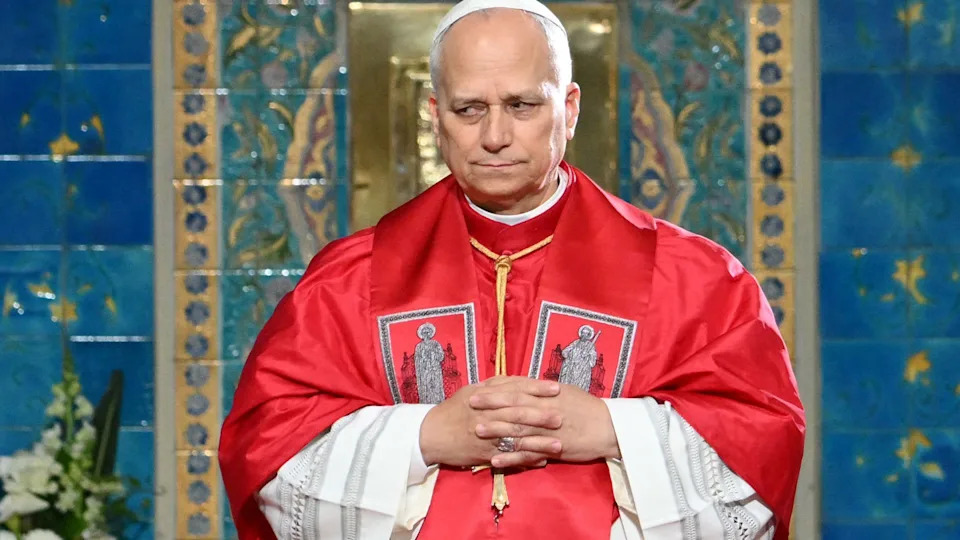
Pope Leo XIV Issues Unprecedented Apology for Catholic Church's Slavery Role
What The Repeal Means — And Doesn't
Supporters see repeal as an essential symbolic correction: removing a codified endorsement of slavery from French law. Critics and many activists caution that erasing the old decree does not by itself address persistent racial and economic inequalities, especially in France's overseas departments — Guadeloupe, Martinique, French Guiana and Réunion — where many residents are descendants of enslaved people and poverty rates remain high relative to metropolitan France.
France recognized slavery and the slave trade as crimes against humanity under the 2001 Taubira law. President Macron has also said reparations are a subject France "must not refuse," but he has not committed to financial compensation. The Senate vote and the broader political debate over memory, reparations and structural inequality will determine how far this symbolic step leads to substantive change.
Help us improve.