Spencer Pratt, 42, the former MTV figure turned political outsider, has emerged as a surprising contender in the Los Angeles mayoral primary, polling at 22% in a tight race with Mayor Karen Bass (26%) and Councilmember Nithya Raman (25%). Pratt raised $2.7 million between April 19 and May 16 and has used social media, provocative ads and his experience from the 2025 wildfires to frame his campaign. Analysts say his celebrity and fundraising give him momentum, but Los Angeles’ deep Democratic lean and questions about his governing experience pose major obstacles.
From Reality TV Villain to Serious Contender: Can Spencer Pratt Win the Los Angeles Mayor's Race?
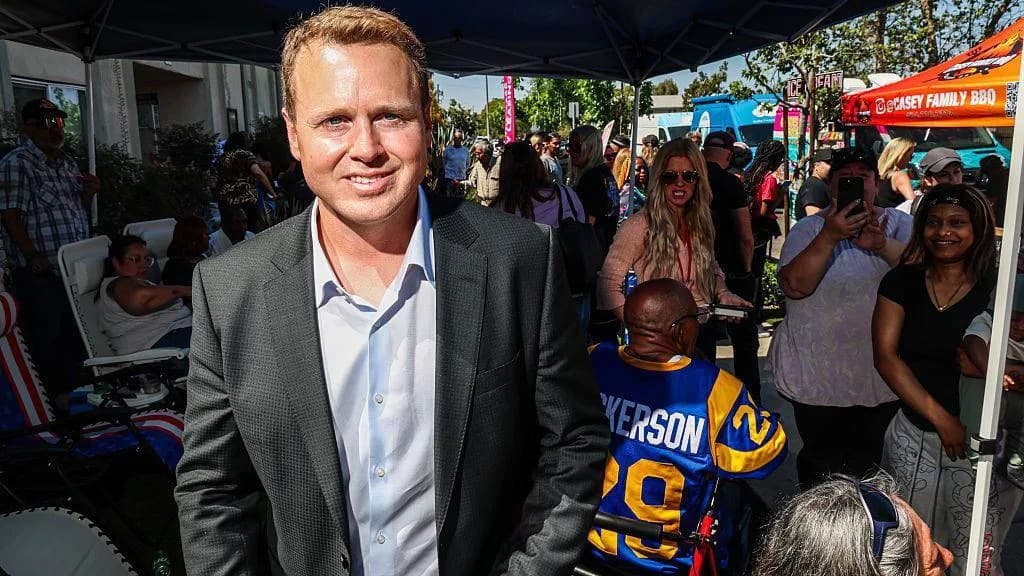
Former TV star Spencer Pratt is now vying for a very different role [Los Angeles Times via Getty Images]
Spencer Pratt — the 42-year-old former publicist who rose to fame as a notorious personality on MTV's The Hills — has re-emerged as a surprising contender in the Los Angeles mayoral race. Once known for tabloid fodder and reality-show drama, Pratt has translated his media savvy into a high-profile political bid that has shaken up a crowded field.
Campaign Momentum and Polling
Pratt announced his campaign in January and has climbed in the polls, positioning himself in a close three-way contest heading into the primary. A recent UC Berkeley–Los Angeles Times poll shows:
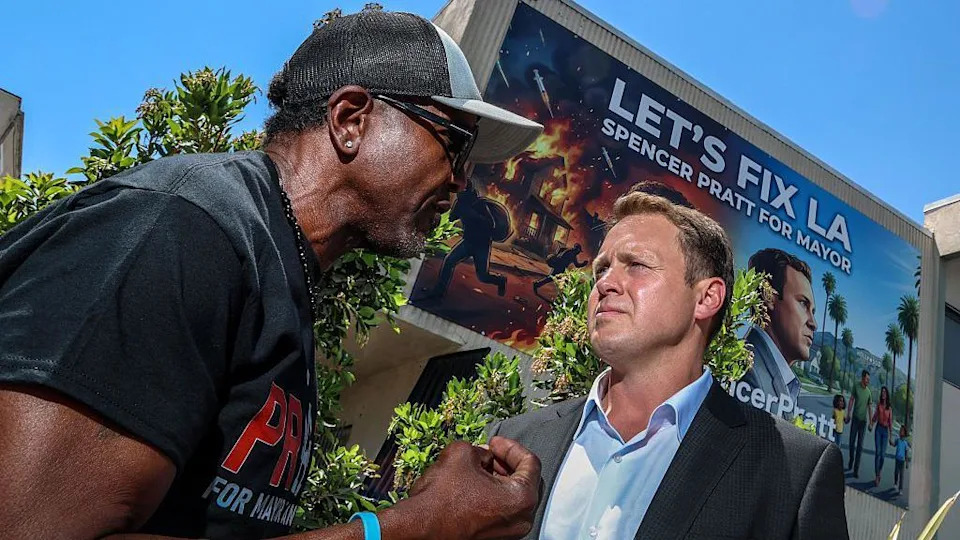
[Los Angeles Times via Getty Images]
- Karen Bass: 26%
- Nithya Raman: 25%
- Spencer Pratt: 22%
The Los Angeles primary is nonpartisan: a candidate winning 50%+ takes office outright; otherwise the top two advance to the November runoff.
Money and Media
Pratt has outraised his main rivals by a wide margin, collecting $2.7 million between April 19 and May 16 — far more than either Bass or Raman in the same window. His fundraising strength reflects his celebrity reach and ability to mobilize small-dollar donors and high-profile backers.
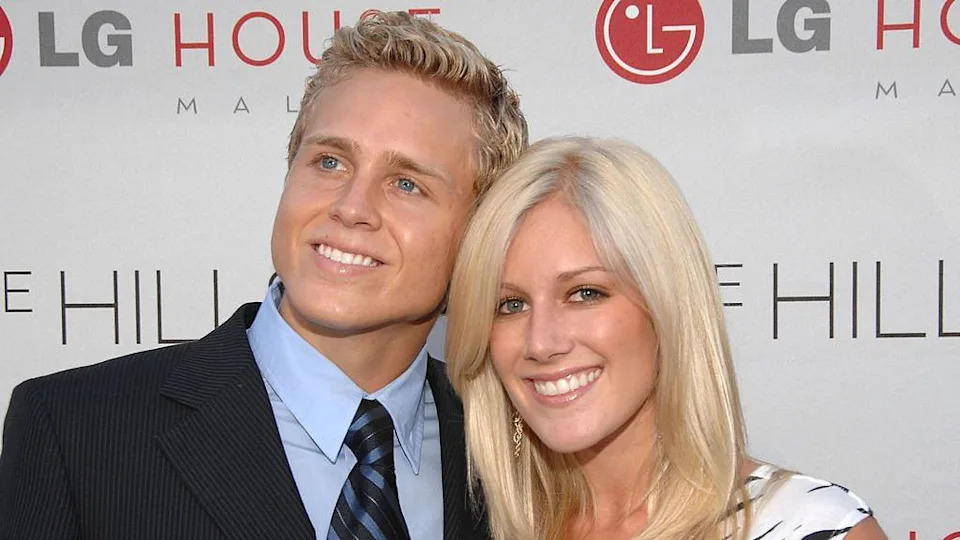
Pratt and his wife Heidi Montag became US household names as television villains on the MTV reality show The Hills [Jean-Paul Aussenard/WireImage]
His campaign has leaned heavily on social platforms, viral TikTok clips, AI-generated video snippets and attention-grabbing ads. One campaign spot declares:
"We are going to get the golden age of Los Angeles back."
Issues and Messaging
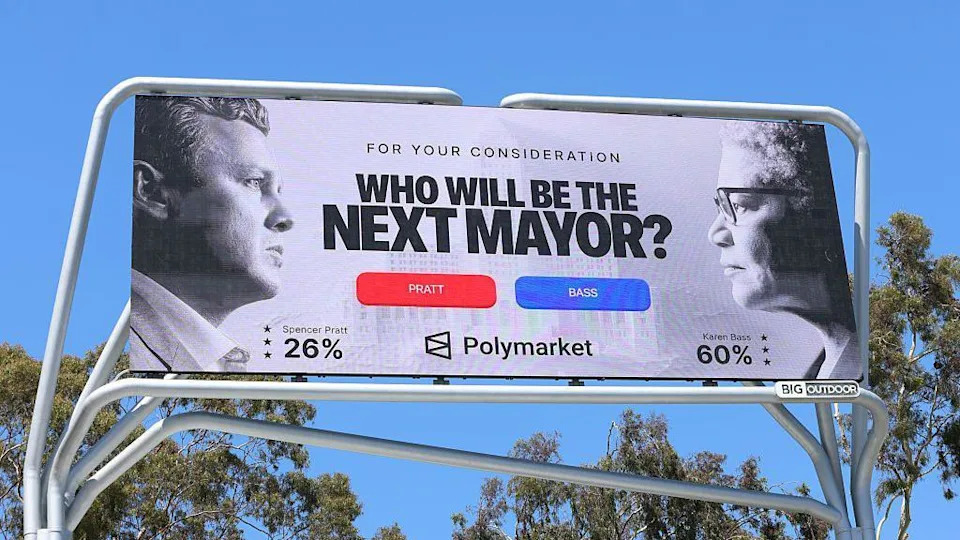
Pratt has made the traumatic 2025 wildfires — which destroyed his Pacific Palisades home — a central element of his pitch, criticizing Mayor Bass's response and casting the city as in need of broad repair. He highlights public safety, cleanliness and mandatory drug-treatment programs as pillars of his platform aimed at addressing homelessness and street-level disorder.
[Getty Images]
Critics and Challenges
Local leaders and analysts emphasize the challenges he faces. Los Angeles has not elected a Republican mayor since 2001, and many observers say Pratt's appeal remains comparatively narrow.
Mayor Bass has attacked his lack of local-government experience:
"It's not just that he has no experience in city government. I don't know that he's ever held a job in his life other than to be a reality TV star."Councilmember Raman has accused him of promoting conspiracy theories and offering unrealistic solutions.
Experts on Celebrity Politics
Academics note that politics increasingly rewards entertainment value. Marty Kaplan of USC argues that candidates who can command attention with dramatic narratives gain an advantage in today’s media landscape. Efrén Pérez of UCLA cautions, however, that fundraising and celebrity do not automatically translate to governing competence: the leap from campaigning to administering city services and long-term policymaking is large.
National Attention
Former President Donald Trump publicly said he would like Pratt to succeed, calling him "a character" and noting Pratt's MAGA sympathies. Whether national endorsements help or hinder Pratt in Democratic-leaning Los Angeles is unclear; Los Angeles County voted overwhelmingly for the Democratic presidential candidate in the last cycle.
Outlook
Pratt has converted fame into real political traction, buoyed by fundraising and viral communications. Still, structural obstacles — the city's long Democratic tilt, questions about experience and the practical demands of governing — make his path to City Hall uncertain. Much will depend on voter turnout, whether he can broaden his appeal beyond celebrity supporters, and how the November runoff shapes up if no candidate clears the 50% primary threshold.
Help us improve.