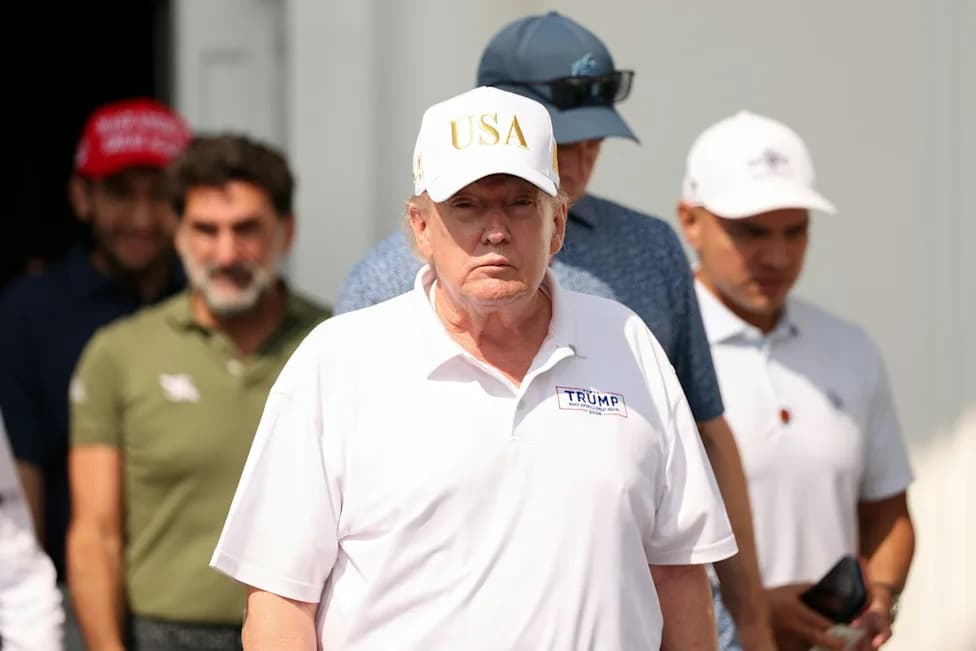
President Trump completed a six-month physical at Walter Reed and posted that "everything checked out PERFECTLY," but independent physicians say public information remains insufficient. A White House memo from Dr. Sean Barbabella declared the president fit for duty, yet three hospital visits in 13 months and observed episodes such as micro-naps and word-finding errors have raised concern. Some doctors urge greater transparency and say the signs could be consistent with dementia, though no independent diagnosis has been released.
Leading Doctors Question Transparency After Trump’s Walter Reed Exam; Some Raise Dementia Concerns
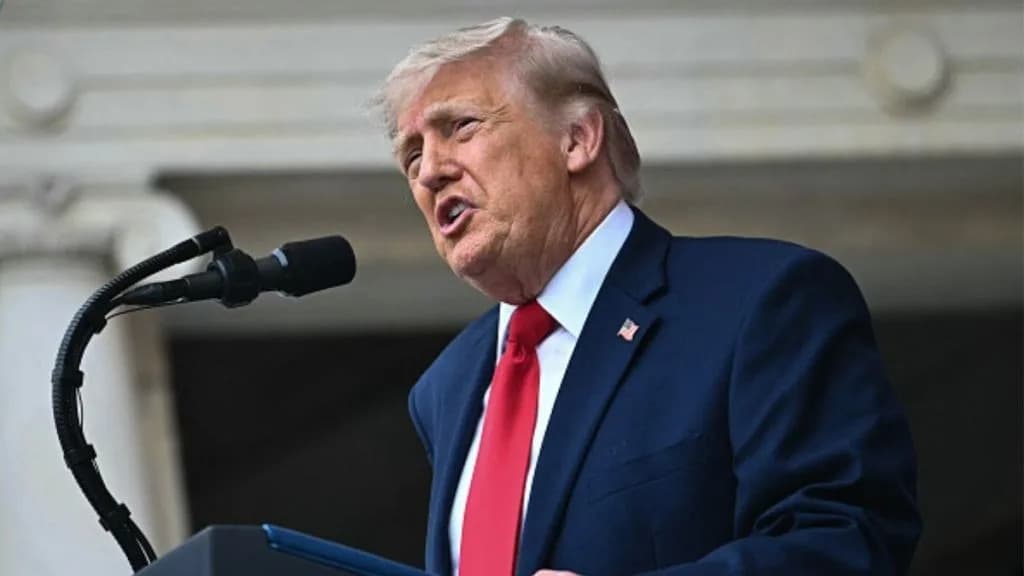
Photo Credit: Photo by Kent NISHIMURA / AFP via Getty Images
US President Donald Trump recently completed a six-month physical at Walter Reed Military Medical Center and posted on Truth Social that "everything checked out PERFECTLY. Thank you to the great Doctors and Staff!"
While the White House released a memorandum from White House physician Dr. Sean Barbabella asserting that "President Trump exhibits excellent cognitive and physical health and is fully fit to execute the duties of the Commander-in-Chief and Head of State," independent physicians and commentators say the available public information is not sufficient to settle lingering questions.
Concerns intensified after the president required three hospital visits within 13 months. That record, along with visible bruising and several public episodes observers describe as brief micro-naps and word-finding errors, has led some outside clinicians to call for more detailed disclosures of test results and clinical findings.
Calls For Greater Transparency
A physician interviewed by Radar said repeated examinations naturally increase public demand for clarity. "The issue is not necessarily what the tests show, but whether enough information is being released to reassure the public," the doctor said.
"Transparency is often the best way to address those concerns, but the way he has been seen appearing to nap at meetings and the way he sometimes miscues multi-syllable words are setting alarm bells ringing; these could be consistent with dementia, and that deserves careful evaluation."
Expert Skepticism Over Specific Explanations
Cardiologist Dr. Jonathan Reiner — who previously served Vice President Dick Cheney — publicly questioned the White House explanation that bruises on the president's hands were caused by frequent handshakes combined with aspirin use. Reiner told reporters, "If you're taking too much aspirin, one would likely take less aspirin. So that explanation doesn't make a lot of sense to me."
The White House has previously sought to downplay questions about bruised hands, momentary speech lapses, swollen ankles and brief episodes of dozing. No independent, published medical evaluation has been released to corroborate or contradict the White House memo.
What Physicians Want
Medical experts calling for more transparency say the administration could help reassure the public by publishing a summary of cognitive testing, relevant imaging or lab results, and an explanation of any ongoing treatments. They emphasize that observed symptoms are not a diagnosis on their own but merit clear, evidence-based communication.
Observers and readers continue to debate whether the public has received adequate information about the president's health and what additional disclosures would be appropriate.
Help us improve.