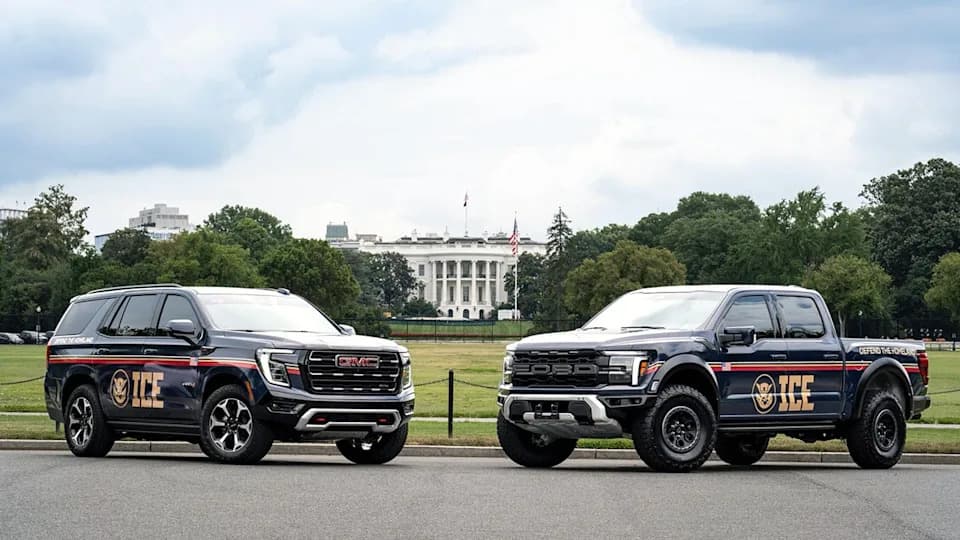
The Department of Justice filed suits on May 27 against Maine, Washington, Oregon and Massachusetts, arguing their refusals to issue confidential license plates to DHS components — including ICE — are discriminatory and unlawful. The DOJ says state laws permit undercover plates and that excluding immigration enforcement undermines federal operations. State leaders counter that ICE’s civil enforcement tactics raise constitutional and accountability concerns and that their policies limit confidential plates for civil agencies. The litigation centers on whether state policies conflict with federal authority and could shape how federal immigration operations are conducted.
DOJ Sues Four States Over Denial Of Confidential 'Undercover' License Plates For ICE
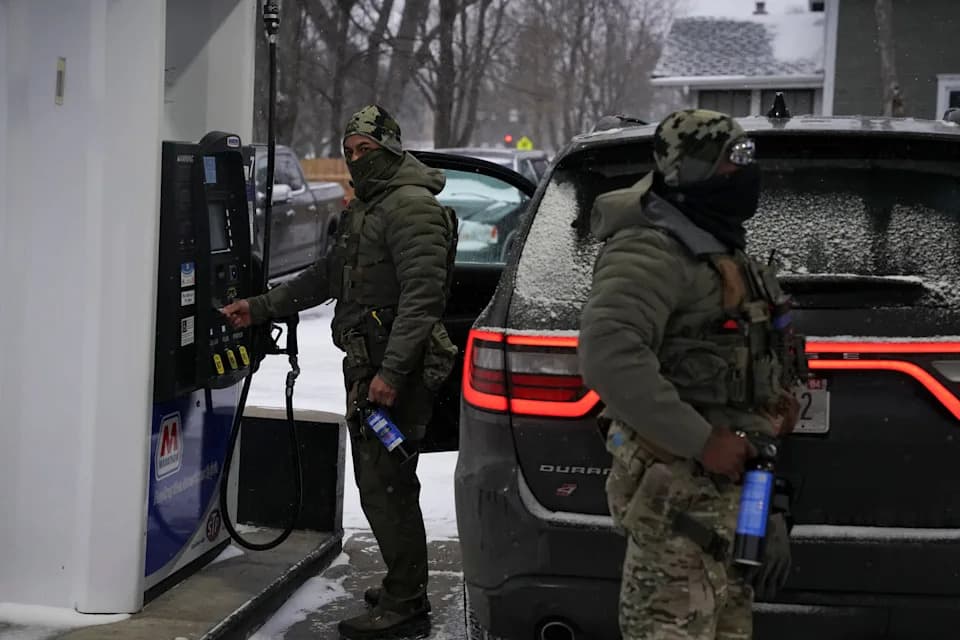
Federal agents fill up a car at a gas station, more than a week after a U.S. Immigration and Customs Enforcement (ICE) agent fatally shot Renee Nicole Good on January 7, in Saint Paul, Minnesota, U.S., January 16, 2026.
The U.S. Department of Justice on May 27 filed lawsuits against Maine, Washington, Oregon and Massachusetts, alleging that each state’s refusal to issue confidential or "undercover" license plates to certain Department of Homeland Security components, including U.S. Immigration and Customs Enforcement (ICE), is unlawful and discriminatory.
According to the complaints, the DOJ first sent letters to each state on May 12 asking them to reverse policies that bar federal immigration agents from obtaining confidential plates. The department says these plates are a legitimate tool for protecting officers’ identities during sensitive operations because they "cannot be easily tied back to their agencies through records requests or other means." The DOJ argues that state laws explicitly authorize confidential plates but that some states are improperly excluding immigration-enforcement components.
Why the Lawsuits Were Filed
The DOJ contends that issuing confidential plates to some agencies while excluding immigration units constitutes unlawful discrimination that hampers federal law enforcement. The suits ask courts to require the states to make confidential plates available to DHS components when those agencies demonstrate a qualifying need.
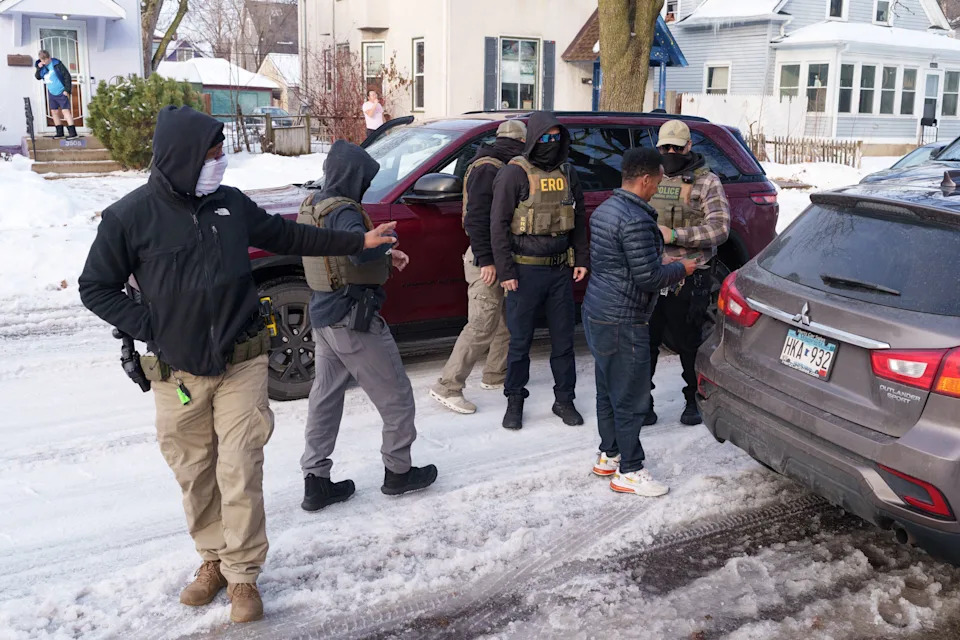
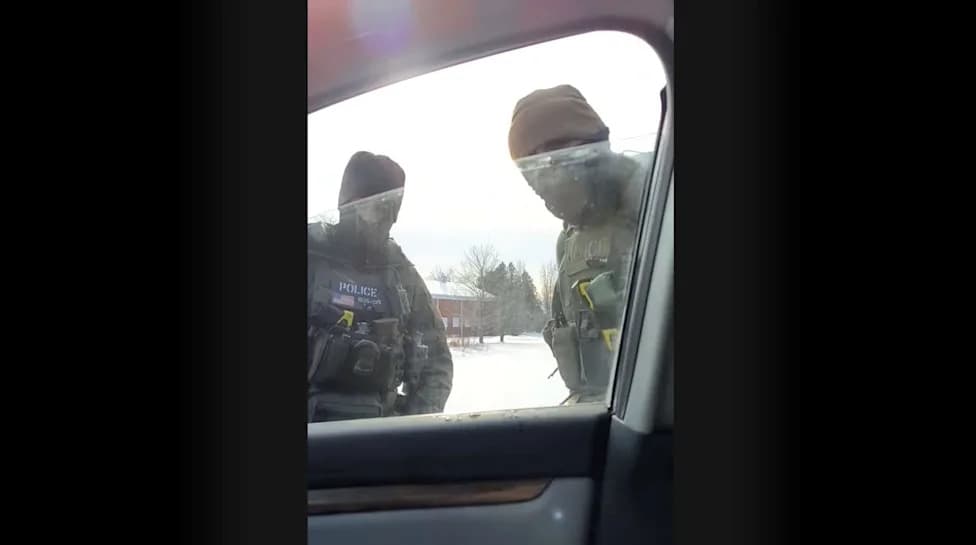
Federal agents from Immigration and Customs Enforcement (ICE) and other agencies surround Somali American citizen Omar Iye and ask for his documentation after seeing him making a delivery on a residential street in Minneapolis, Minnesota, U.S., January 7, 2026.
"This Department of Justice will exercise any and all lawful authorities to support the brave men and women of law enforcement," said Acting Attorney General Todd Blanche. "By denying undercover license plates to DHS components, including ICE, while issuing them to their own state agencies, these governors are pursuing discriminatory and obstructionist policies against federal law enforcement."
States' Responses and Concerns
State leaders and officials pushed back, saying their policies reflect concerns about civil enforcement, constitutional rights and public accountability. Massachusetts Gov. Maura Healey said her administration supports legitimate criminal investigative work but will not help ICE "operate in secret, and without accountability, while refusing to provide basic information about who they are arresting and why."
Healey noted that in Massachusetts several federal law enforcement agencies (for example, the FBI, DEA and ATF) may apply for confidential plates when they show a qualifying need, but the state excludes agencies primarily engaged in civil enforcement—a category that describes most immigration actions.
Washington Gov. Bob Ferguson said judges have frequently found that some DHS tactics in civil immigration enforcement violate the Constitution, and his state will not facilitate alleged misconduct. Oregon’s governor’s office said a pause on issuing new confidential plates does not affect state and local law enforcement and that federal agencies already in the program may continue using existing unexpired plates. Maine Secretary of State Shenna Bellows accused ICE of seeking to operate like a "secret police," arguing undercover plates would allow arrests without accountability.
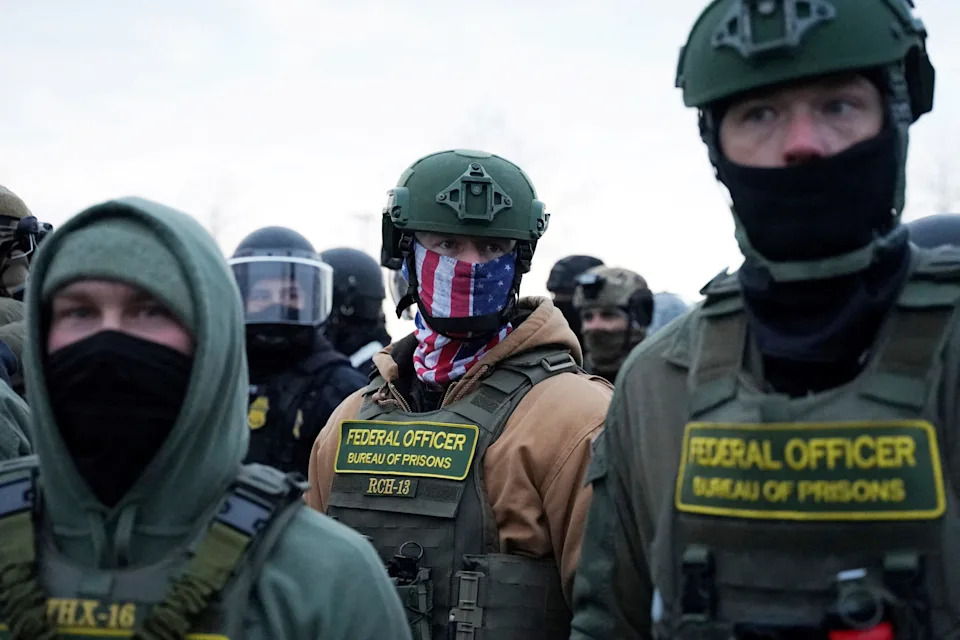
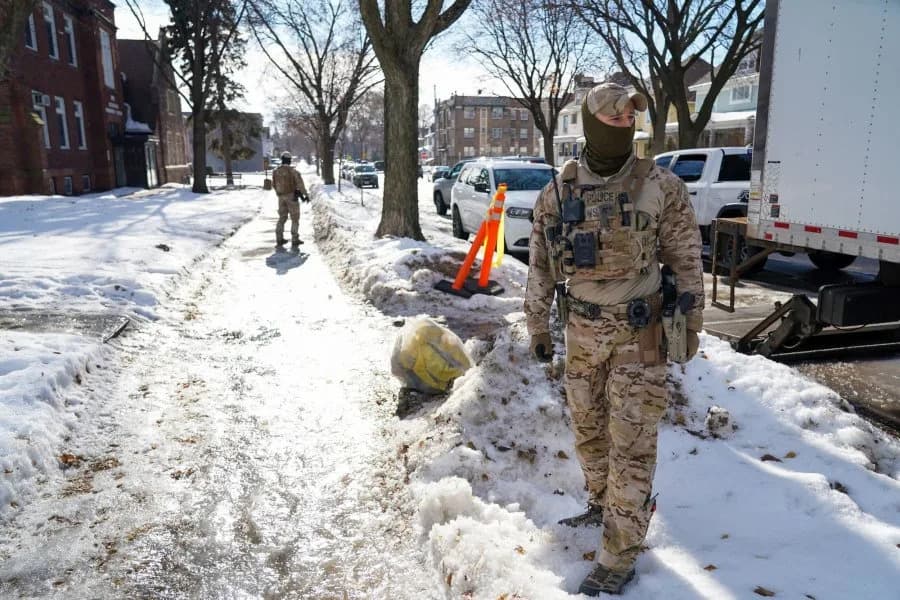
Federal agents stand guard, in front of the Bishop Henry Whipple Federal Building, during a protest more than a week after an ICE agent fatally shot Renee Nicole Good, in Minneapolis, Minnesota, U.S., January 17, 2026.
Context And Stakes
The dispute highlights a narrow legal question with broader implications: do state practices that allow confidential plates for some agencies but deny them to immigration enforcement violate federal law or the Constitution? The litigation follows heightened national tensions over civil immigration enforcement methods and intensified earlier this year after two people, Alex Pretti and Renee Good, were killed in Minnesota amid increased immigration operations.
The outcome of these cases could affect how federal immigration officials carry out in-person enforcement, how states regulate access to law enforcement tools on public roads, and the balance between federal authority and state oversight.
What’s next: The lawsuits seek judicial remedies after the DOJ’s May 12 requests were rejected or unanswered; the cases will likely proceed through federal court where judges will consider whether the states’ policies unlawfully discriminate against federal immigration components.
Help us improve.