On May 1 Caddiemaster changed Pebble Beach's caddie program from independent-contractor flat fees to hourly employee pay, triggering complaints from veteran loopers who say flexibility and take-home pay have declined. Caddiemaster reports overall gross pay rose more than 12% and that over 90% of caddies earned more in the first payroll cycle, noting employees now receive benefits and tax withholdings. The shift coincided with higher guest caddie fees and prompted concessions from management plus a petition to unionize; a vote is scheduled for June 18.
‘The Numbers Don't Lie’: Pay Overhaul at Pebble Beach Sparks Caddie Backlash and Union Push

The iconic 18th hole at Pebble Beach Golf Links.Shaughn and John
Justin Kipina, a 48-year-old caddie at Pebble Beach Golf Links, calls his job "the best job in America." He works roughly five days a week, relishing the fresh air, exercise and camaraderie that come with carrying bags on one of golf's most iconic courses. The position provides a living in a desirable ZIP code and rewards that go beyond a paycheck.
But since May 1 the caddie yard has been unsettled. Caddiemaster, the company that runs Pebble Beach's caddie program, converted the resort's 300-plus caddies from independent contractors to employees and replaced a longstanding flat-fee pay system with hourly wages ranging from $17.54 to $24.98 (before tips), plus new scheduling and dress rules.
What Changed—and Why
Caddiemaster CEO Dan Costello told GOLF.com the shift was meant to improve compensation, working conditions and guest service. In the first full pay cycle under the new model, company records show overall gross pay rose by more than 12 percent, with over 90 percent of caddies earning more and some seeing increases of 25 percent or greater.
Caddies Say The Math Tells A Different Story
Many veteran loopers disagree. They say the new system reduced flexibility, increased hours to reach prior pay levels and produced smaller take-home pay for many who thrived under the flat-fee arrangement. For example, Kipina says he previously kept $188 from a $220 double-bag fee (before tips); under the hourly scheme a five-and-a-half-hour round at the top pay band can net him less. Veteran caddie Mike Lehotta reports his single-bag earnings fell from roughly $132 previously to between $99 and $129 under the new payroll model.
"It's been like a grenade going off in the caddie barn," Kipina said. "This isn't just a summer gig. This is our career."
Compounding frustrations, Pebble Beach raised the guest rates for caddie services on May 1 to $175 for a single bag and $250 for a double (up from $160 and $220). Roughly half of guests use caddies, meaning patrons are paying more even as many caddies contend their paychecks have shrunk.
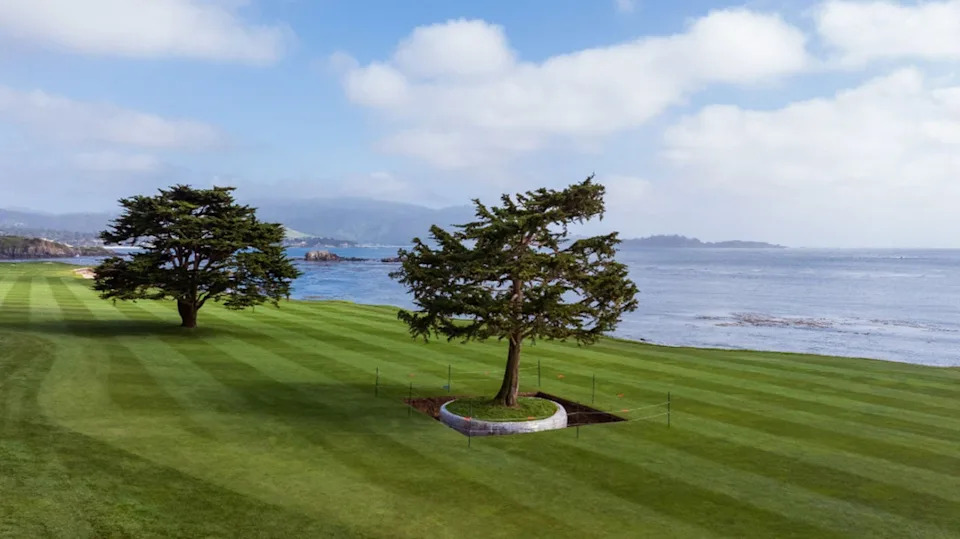
Pebble Beach revives signature feature on its fabled 18th hole
Company Response And Concessions
Costello emphasized that comparisons that ignore payroll withholdings and benefits are incomplete: employees now have taxes withheld but also gain benefits such as health-care eligibility and access to a 401(k). Gratuities remain important — caddies keep 100 percent of tips, which often exceed recommended guidelines.
After caddie complaints, Caddiemaster made several adjustments: reduced weight limits on double-bag push carts, opened the employee dining room to caddies, relaxed the shorts policy (allowing shorts in any weather), and added a $10-per-bag service payment.
Wider Context And The Push To Unionize
The dispute arrives as Pebble Beach invests heavily in resort upgrades. The resort asked Caddiemaster to evaluate its program after guest feedback flagged consistency issues. Founded in 1993 and now majority-owned by private equity, Caddiemaster runs caddie programs at Pinehurst, Kohler and Augusta National. Ironically, in 2020 the company helped secure an exemption that kept caddies classified as independent contractors under California's AB5 — yet it voluntarily adopted an employee model in 2026.
Earlier this month a majority of Pebble caddies petitioned to unionize; a vote is scheduled for June 18. Opinions in the yard are divided: some caddies support collective bargaining as a way to protect livelihoods and future opportunities, while others worry a union could reduce individual autonomy or prevent further negotiated fixes.
"That's really what this is about," Kipina said of the union effort. "It's making sure people 40 or 50 years from now have the same opportunities we do now."
Help us improve.