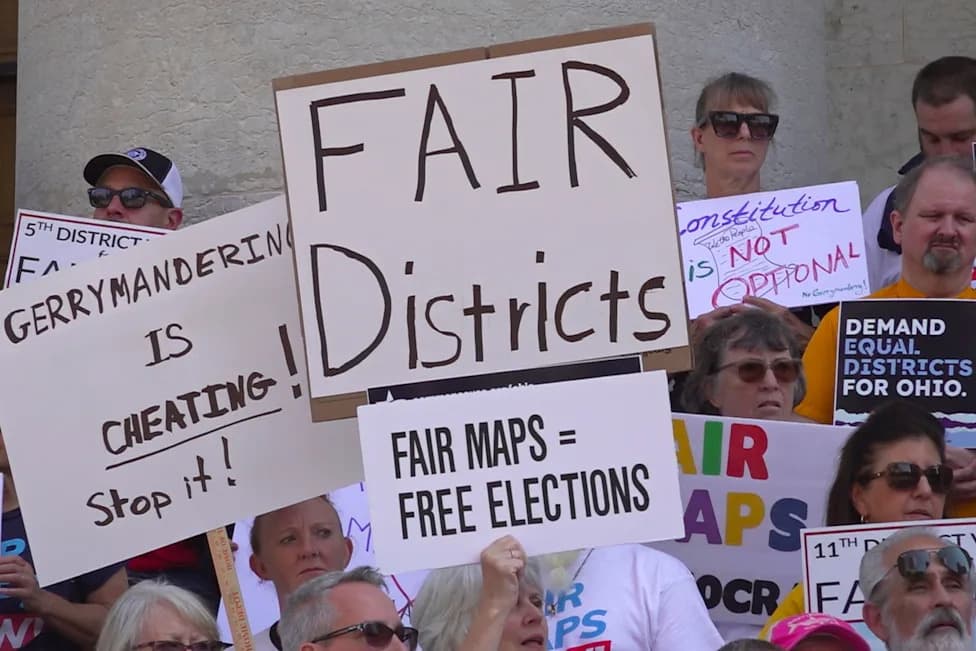
Republican lawmakers in Louisiana are advancing a redistricting plan that would eliminate a majority-Black congressional district after the U.S. Supreme Court found the state's earlier map to be an illegal racial gerrymander. Supporters say the proposal would increase Republican chances in the midterms and protect Speaker Mike Johnson; critics and voting-rights plaintiffs warn it still "packs" Black voters and are preparing further litigation. The move is part of a wider wave of Southern redistricting following the Court's ruling.
Louisiana Republicans Push To Redraw Map, Risk Eliminating Majority-Black District Ahead Of Midterms
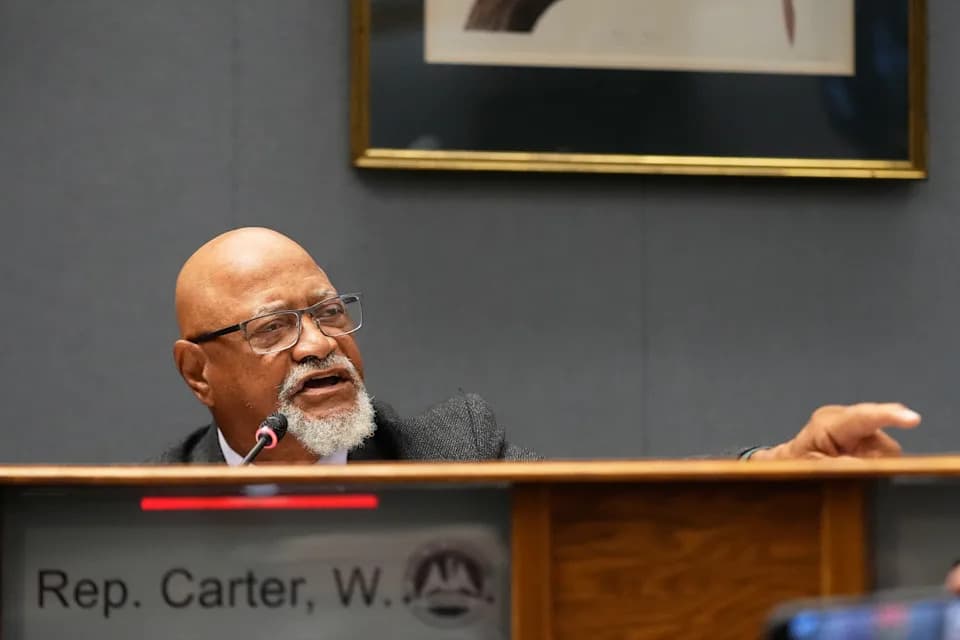
Louisiana state Rep. Wilford Carter, Sr., D- Dist. 34, speaks during a House and Governmental Affairs Committee hearing over redistricting in Baton Rouge, La., Thursday, May 21, 2026. (AP Photo/Gerald Herbert)(AP Photo/Gerald Herbert)
Republican lawmakers in Louisiana are advancing a redistricting plan that would eliminate a majority-Black U.S. House district after the U.S. Supreme Court ruled the state's prior map was an illegal racial gerrymander. Supporters say the proposal would strengthen Republican chances in this year's midterms and make re-election easier for Speaker Mike Johnson; critics say it continues to "pack" Black voters and invites more litigation.
What's At Stake
The redistricting proposal under consideration by the state House would reconfigure districts ahead of the summer congressional primaries. If the House approves the plan, it would need only a final vote in the Republican-controlled Senate before going to Gov. Jeff Landry.

Louisiana state Rep. Gerald Beaullieu, R-Dist. 48, chairman of House and Governmental Affairs Committee, listens during a hearing over redistricting in Baton Rouge, La., Thursday, May 21, 2026. (AP Photo/Gerald Herbert)(AP Photo/Gerald Herbert)
Background
In 2022, the Republican-led Legislature enacted new congressional lines that produced five Republican and one Democratic representative in the state's U.S. House delegation. Federal courts later found that map violated the Voting Rights Act by failing to include a second majority-Black district. In 2024 the Legislature adopted a stretched, 200+-mile majority-Black district that elected Democrat Cleo Fields; the Supreme Court then struck that map down as a racial gerrymander.
Latest Proposal
The current plan scraps the long, snaking district that elected Fields and instead concentrates the reconfigured district around predominantly white communities in the Baton Rouge area and parts of southern Louisiana. It also moves part of Baton Rouge into a heavily Democratic, majority-Black New Orleans-based district represented by Rep. Troy Carter.
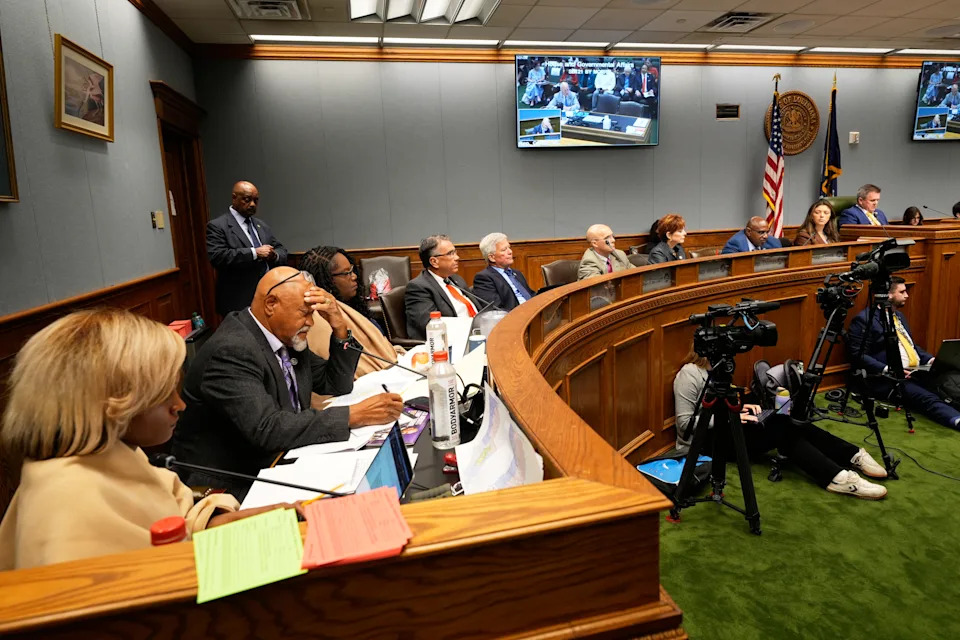
The Louisiana House and Governmental Affairs Committee holds a hearing over redistricting in Baton Rouge, La., Thursday, May 21, 2026. (AP Photo/Gerald Herbert)(AP Photo/Gerald Herbert)
"We drew this map in an effort to safely maximize Republican strength," said state Rep. Beau Beaullieu, the Republican chair of the House redistricting committee.
Reaction And Legal Risk
Republican lawmakers insist the plan was drawn around partisanship, not race. Critics — including civil rights plaintiffs who prompted the Supreme Court ruling, Democratic state lawmakers and voting-rights advocates — say the proposal still packs Black voters into a single district and could amount to a racial gerrymander. Plaintiffs have signaled they will pursue further litigation.
Not all Republicans support the plan: U.S. Rep. Clay Higgins criticized the proposal as a "Frankenstein-looking thing" that splits parishes in his district. State Sen. Jay Morris, sponsor of the bill, said he expects legal challenges but believes the map is defensible.

Louisiana Sen. John "Jay" Morris, R-Dist. 35, testifies during a House and Governmental Affairs Committee hearing over redistricting in Baton Rouge, La., Thursday, May 21, 2026. (AP Photo/Gerald Herbert)(AP Photo/Gerald Herbert)
Broader Context
Since the Supreme Court decision in late April, other Southern states have acted quickly to redraw congressional lines. Florida's legislature approved new districts within hours of the ruling, Tennessee adopted new maps that alter a Memphis-based majority-Black district, and Alabama faced judicial pushback over a map federal judges found discriminatory. South Carolina's Senate opted not to redraw districts this week, citing timing and political risk.
Election Timing: Gov. Landry postponed the state's May 16 U.S. House primary to allow lawmakers time to redraw districts before the end of the legislative session.
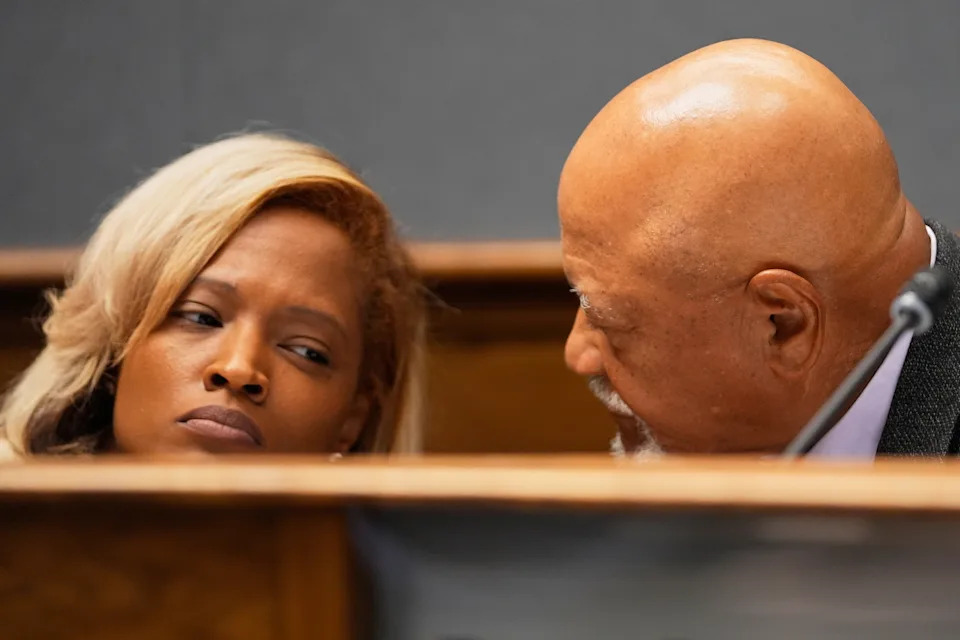
Louisiana state Rep. Wilford Carter, Sr., D-Dist. 34, talks with Rep. Joy Walters, D-Dist. 4, during a House and Governmental Affairs Committee hearing over redistricting in Baton Rouge, La., Thursday, May 21, 2026. (AP Photo/Gerald Herbert)(AP Photo/Gerald Herbert)
What Comes Next
If the Louisiana plan becomes law, it is likely to be challenged in court. Any final decision could shape the partisan balance of Louisiana's congressional delegation and influence the broader national fight over redistricting ahead of the midterms.
Associated Press writer Kim Chandler contributed to this report.
Correction: This story has been corrected to show that Steve Scalise is House Majority Leader, not Senate Majority Leader.
Help us improve.