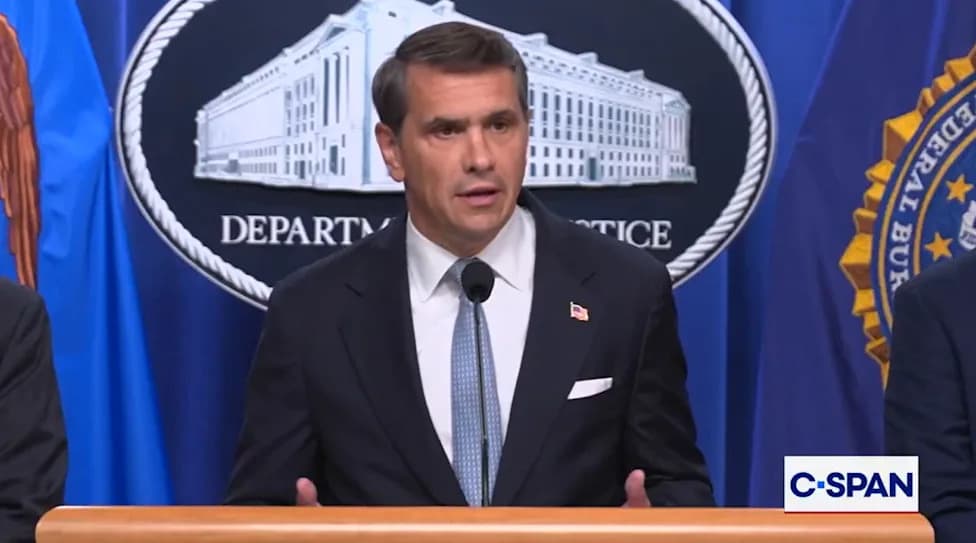
The administration’s new $1.776 billion "Anti‑Weaponization Fund," sourced from the Treasury Judgment Fund, is designed to compensate people who claim they were victims of politically motivated prosecutions, including some Jan. 6 defendants. Several defendants — among them Larry Rendall Brock Jr., Treniss Evans, Leo Kelly and Brian Mock — say they will seek large awards to cover legal fees, lost wages and personal harms. The fund faces immediate lawsuits and bipartisan criticism, and many claimants say they will continue civil suits and political campaigns regardless of payouts.
Capitol Rioters Seek Payout From Trump’s $1.776B “Anti‑Weaponization” Fund — Lawsuits, Politics, and Unanswered Questions
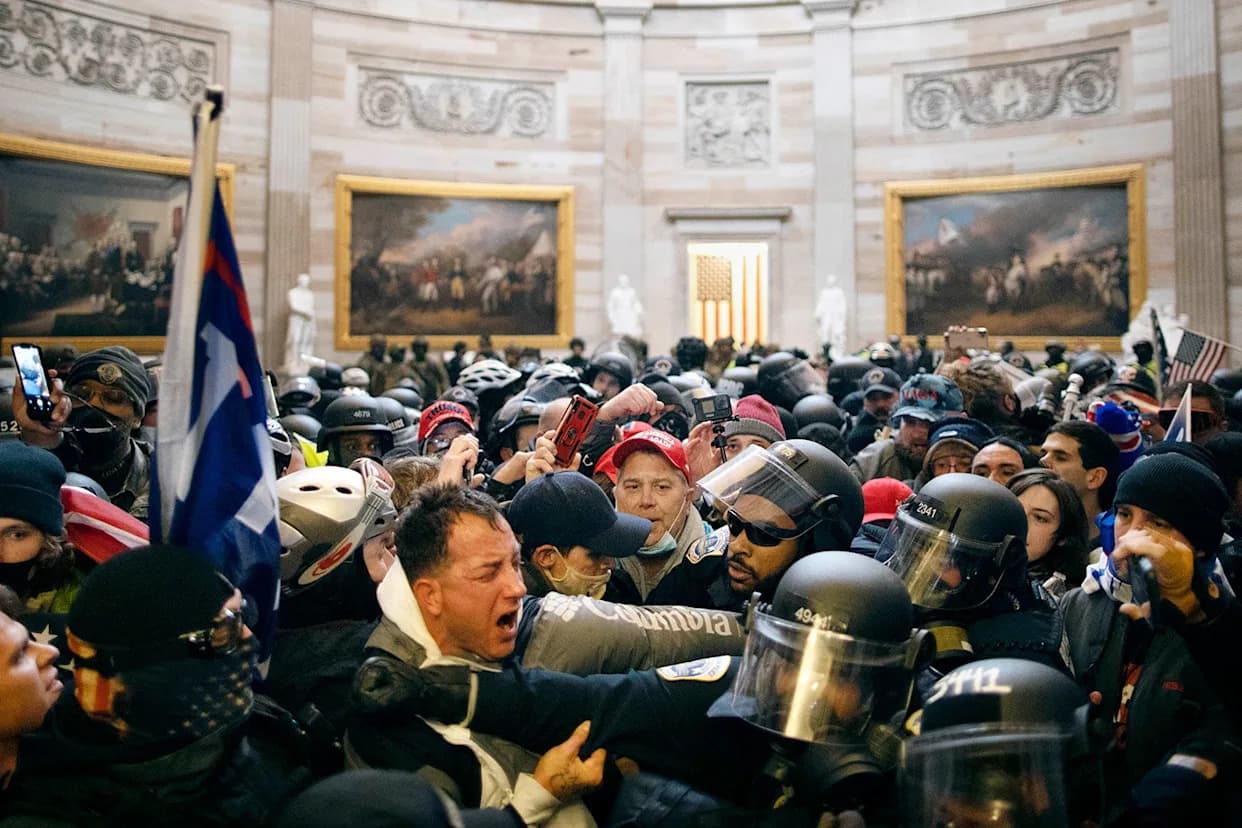
When the administration announced a $1.776 billion "Anti‑Weaponization Fund" meant to compensate people who say they were victims of politically motivated prosecutions, some Jan. 6 defendants saw vindication — and an opportunity. For figures such as Larry Rendall Brock Jr., Treniss Evans, Leo Kelly and Brian Mock, the fund represents both potential financial relief for legal fees and lost income and a symbolic acknowledgment of what they describe as a weaponized justice system.
Background: What Is The Fund?
The fund is drawn from the Treasury Department’s Judgment Fund, a standing pool of taxpayer dollars typically used to settle government liabilities. It was created to help resolve claims tied to the Trump-era grievances — including a $10 billion IRS lawsuit over leaked tax returns and disputes stemming from the FBI search of Mar‑a‑Lago and other investigations — and expanded to include people who allege DOJ "lawfare," among them some Jan. 6 defendants.
Who’s Seeking Payments — And Why
Several defendants who breached the Capitol say they suffered profound personal and financial losses. Larry Rendall Brock Jr., a retired Air Force lieutenant colonel photographed on the Senate floor with white zip ties, was convicted on six federal counts and served two years. He says he lost his pilot’s license, his job prospects and contact with his family. Others describe lost businesses, ruined reputations and months in solitary pretrial confinement.
“I gave the Left a beautiful optic for that day, and I never meant to do that,” Brock said. “Trust me, you have no idea how much I wish I had never picked them up, but I did.”
Claims, Calculations, And Expectations
Many defendants named specific aims for any award: reimbursement of attorney fees (often well into six figures), compensation for lost earnings, and restitution for reputational and family harms. Some plan to use funds for political organizing or to run for office; others say they will seek custody or to rebuild businesses. As a rough arithmetic exercise, splitting $1.776 billion evenly among the roughly 1,577 people arrested in connection with Jan. 6 would yield about $1.125 million each — a figure some defendants call insufficient and others say is appropriate.
Legal And Political Pushback
The fund has provoked immediate legal challenges and bipartisan criticism. Two officers who defended the Capitol on Jan. 6 filed a federal suit arguing the program violates federal statutes and the 14th Amendment’s bar on public aid to insurrectionists. A coalition of nonprofits and individuals filed a separate complaint in the Eastern District of Virginia. Prominent Republicans — including Senate Minority Leader Mitch McConnell — have publicly criticized the program as inappropriate.
Ongoing Litigation And Broader Demands
Separately, dozens of civil claims against the Justice Department have been filed by Jan. 6 defendants and their advocates; lawyers such as Peter Ticktin are pursuing hundreds of suits alleging prosecutorial misconduct, police provocation, or other forms of government overreach. To date, the government has not broadly settled these claims. Many defendants — including those who hope to receive fund payments — say money alone won’t satisfy them: they seek investigations, accountability for prosecutors and judges, and public admissions of wrongdoing.
What Comes Next
The fund’s fate will likely be decided in the courts and the political arena. Plaintiffs seeking to block payouts argue the program has no lawful basis and is morally suspect; fund proponents say it offers long‑overdue redress for those they view as unfairly targeted. Meanwhile, many Jan. 6 defendants plan to press forward with civil suits and political campaigns regardless of whether they receive funds, signaling that the controversy is likely to continue well beyond any initial disbursements.
Bottom Line: The Anti‑Weaponization Fund has amplified longstanding disputes about accountability, the reach of prosecutorial power, and the proper use of taxpayer dollars. It offers potential relief to some defendants — but it also invites legal challenges, political backlash, and deeper questions about what justice and redress should look like after Jan. 6.
Help us improve.