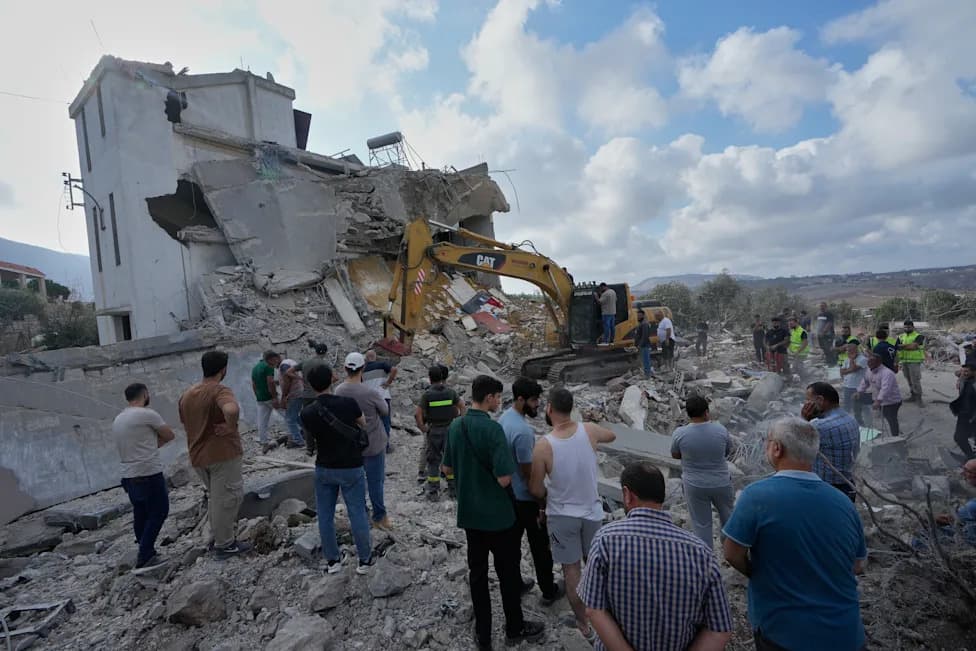
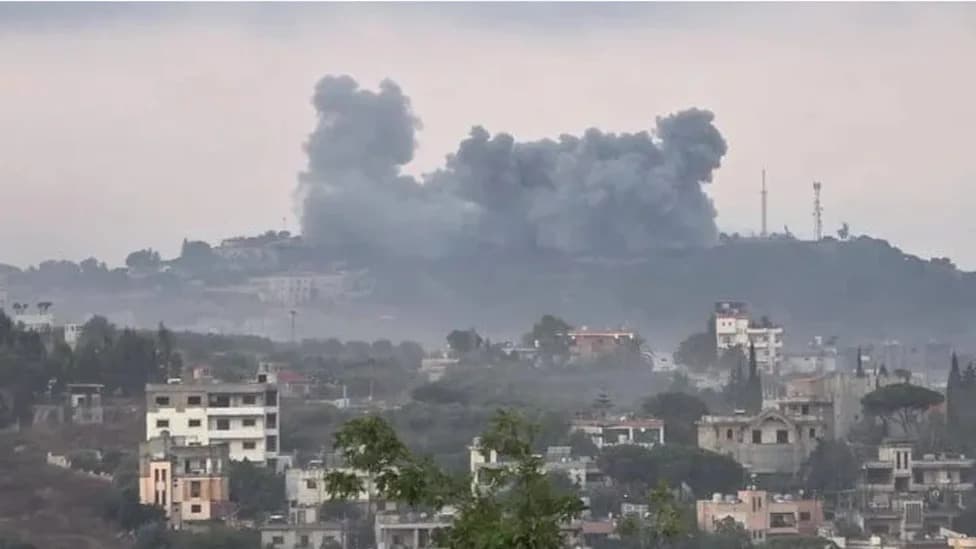
Israeli right-wing ministers, led by Finance Minister Bezalel Smotrich, urged Prime Minister Benjamin Netanyahu to resume strikes on Beirut after a Hezbollah drone killed an Israeli soldier. Smotrich proposed heavy retaliation and approved a 2 billion shekel fund for drone-defence technology, while Netanyahu reportedly favors bolstering defensive measures. Hezbollah has been using low-cost FPV kamikaze drones that can evade jamming to target Israeli forces during a fragile ceasefire. Hezbollah called a Beirut rally to mark Liberation Day, and deputy leader Naim Qassem intensified rhetoric against Lebanon's government.
Israeli Right-Wing Ministers Urge Netanyahu To Resume Strikes On Beirut After Deadly Hezbollah Drone Attack
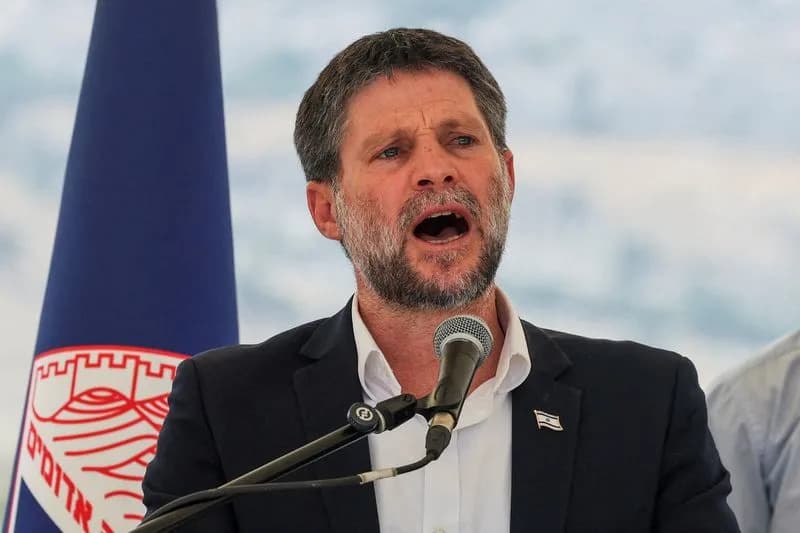
FILE PHOTO: Israeli Finance Minister Bezalel Smotrich speaks at a press conference in the Israeli-occupied West Bank, August 14, 2025. REUTERS/Ronen Zvulun/File Photo
JERUSALEM/BEIRUT, May 25 (Reuters) - Senior Israeli right-wing ministers publicly pressed Prime Minister Benjamin Netanyahu on Monday to restart strikes on Beirut following a rise in explosive drone attacks by Hezbollah that recently killed an Israeli soldier.
Calls For Escalation From Far-Right Ministers
Finance Minister Bezalel Smotrich said Israel should respond forcefully to the new threat. In a statement he declared:
"The explosive drones harming our fighters are not a decree of fate. For every explosive drone, 10 buildings should fall in Beirut."Israeli media also reported he repeated similar demands during a cabinet meeting, though Netanyahu reportedly rejected calls for strikes and favored stepped-up defensive measures. A government spokesperson declined to comment.
Another ultranationalist cabinet member, Itamar Ben Gvir, echoed hardline sentiment, saying Israel must not accept the drone attacks and urging a return to open conflict with Lebanon. During the cabinet debate, Israeli media reported that Chief of Staff Eyal Zamir also said buildings in Beirut should be struck; a military spokesperson declined to confirm those remarks.
Hezbollah's Use Of FPV Kamikaze Drones
In recent weeks Hezbollah has increasingly deployed inexpensive First-Person-View (FPV) kamikaze drones. These small, readily assembled craft—reportedly controlled via fiber-optic cables—have proven capable of evading Israel's sophisticated jamming systems to strike Israeli forces stationed in southern Lebanon during a fragile ceasefire declared on April 16.
The surge in drone attacks culminated on Sunday when an Israeli soldier was killed, prompting renewed demands from hardline ministers for retaliation rather than strictly defensive responses.
Defensive Measures And Budget Moves
Smotrich said he approved a 2 billion shekel (about $693 million) budget for technological solutions to counter the drone threat, arguing that "the response to a significant threat must be significant." Polls indicate Smotrich's party is struggling to pass the electoral threshold ahead of planned national elections later this year.
Lebanon Response And Political Tension
Hezbollah called a rally in Beirut's southern suburbs on Monday evening to mark the 26th anniversary of Liberation Day, when Israeli forces withdrew from southern Lebanon in 2000. On Sunday evening, Hezbollah deputy leader Naim Qassem intensified rhetoric against Lebanon's political leadership, saying people had a right to take to the streets to challenge the government, though he did not directly order followers to act.
Aside from an earlier strike this month targeting a Hezbollah commander in Beirut's southern suburbs, there have been no recent Israeli strikes on the Lebanese capital since a U.S.-announced ceasefire on April 16, although exchanges of fire have continued along the Israel-Lebanon frontier.
Reporting by Steven Scheer in Jerusalem and Maya Gebeily in Beirut. Editing by Keith Weir. ($1 = 2.8881 shekels)
Help us improve.