Summary: Anti‑Muslim rhetoric that would once have been politically disqualifying is increasingly tolerated and amplified within parts of today’s Republican politics, with Texas providing a striking example. State officials pursued multiple investigations and lawsuits against a proposed Muslim‑friendly development even after a DOJ review found no wrongdoing. Nationally, a "Sharia‑Free America" caucus, inflammatory congressional remarks, and more than 1,100 social posts by Republican officials have normalized Islamophobic themes—contributing to discrimination, a rise in hate crimes, and a deadly attack on a San Diego mosque.
Who Is Fanning the Flames of Islamophobia? How Anti‑Muslim Rhetoric Moved From Fringe to Mainstream

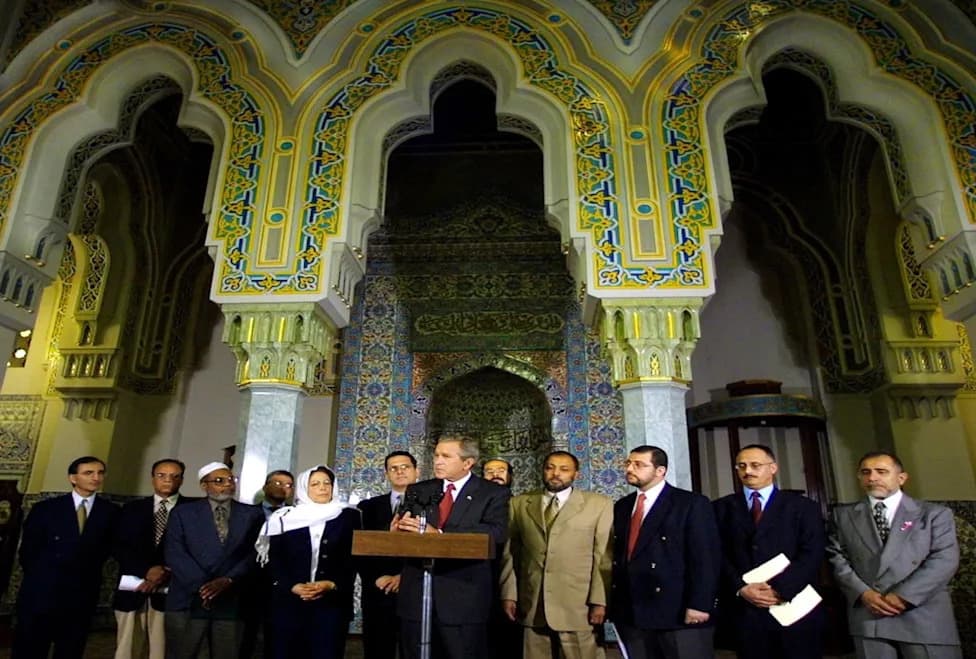
In recent years, anti‑Muslim rhetoric that once would have been politically disqualifying for Republican officeholders, candidates or media figures has increasingly been met with silence, rationalization or even reward from many conservative leaders. This shift is visible in state politics—most notably in Texas—and on the national stage, where fear of “radical Islam” and claims of an “Islamification” of America are being used to mobilize voters.
What Happened in Texas
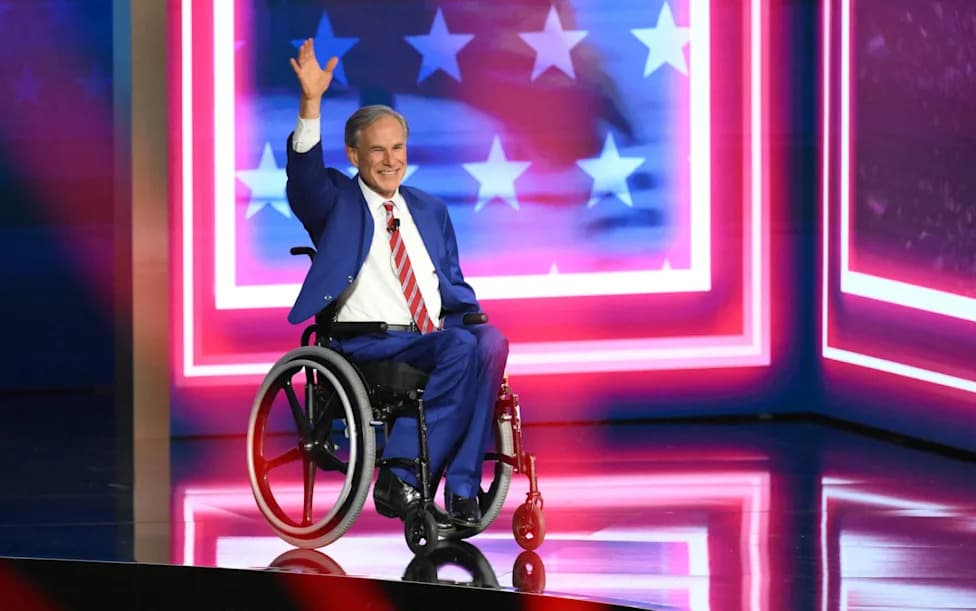
Last year, investors connected to the East Plano Islamic Center proposed a modest, faith‑friendly residential community outside Dallas. Republican candidates characterized the plan as evidence of an imminent “Islamification of Texas.” State officials opened five separate investigations into the proposal, and Gov. Greg Abbott signed legislation aimed at banning what lawmakers described as “Sharia compounds.” Texas Attorney General Ken Paxton filed three lawsuits alleging securities fraud and zoning violations to block the development.
A Department of Justice review found no evidence of criminal wrongdoing. Despite that, the Department of Housing and Urban Development opened its own inquiry into claims of religious discrimination, even though project organizers repeatedly emphasized the community would be open to people of all faiths. Meanwhile, Abbott labeled the Council on American‑Islamic Relations (CAIR) a "terrorist organization," Paxton launched another probe into a separate Muslim‑oriented development, and the state comptroller excluded two dozen Islamic schools from a state voucher program.
National Trends
Rhetoric once confined to the political margins has gained traction nationally. A “Sharia‑Free America” caucus in Congress claims more than 60 members, and the House Judiciary Committee has held hearings titled "Why Political Islam and Sharia Law Are Incompatible With The U.S. Constitution." At conservative conferences and in state legislatures across the South, warnings about "radical Islam" have become a recurring theme.
A recent study documented more than 1,100 social media posts by dozens of Republican members of Congress and governors that promoted anti‑Muslim conspiracy theories, denounced Sharia law, and described Muslim immigration in terms such as "invasion," "conquest" and "Islamification." Some elected officials have used slurs and exclusionary language that would draw swift condemnation if directed at other religious or ethnic minorities.
Consequences
The normalization of anti‑Muslim rhetoric has real and harmful consequences. Nearly two‑thirds of American Muslims report experiencing religious discrimination, and almost half say their children have been bullied for their faith. Hate crimes surged last year, and in a tragic example of how violent rhetoric can translate into action, two teenage white supremacists recently murdered three worshippers at a major Islamic community center and mosque in San Diego.
Beyond direct harm to individuals and communities, this trend weakens religious pluralism, intensifies political polarization, and damages America’s standing abroad. It chips away at the civic ideal that binds a diverse nation together: that out of many backgrounds and beliefs, we are one polity.
Where Leadership Stands
While some Republican leaders have criticized extreme statements, party leadership has often been reluctant to impose consequences. Instances that would once have prompted swift rebuke—such as the GOP removal of Rep. Steve King from committee roles in 2019 after white‑supremacist remarks—contrast with today’s more permissive environment toward anti‑Muslim discourse. Critics warn that tolerating such rhetoric allows prejudice to migrate from the fringes to the mainstream of political life.
Authors: David Wippman is Emeritus President of Hamilton College. Glenn C. Altschuler is the Thomas and Dorothy Litwin Emeritus Professor of American Studies at Cornell University.
Copyright 2026 Nexstar Media, Inc. All rights reserved.
Help us improve.