At least 16 people have died from heatstroke in Telangana as a widespread heatwave pushes daytime temperatures above 45°C in parts of India. Authorities have urged statewide vigilance and warned vulnerable groups to avoid daytime exposure. The India Meteorological Department predicts continued above-normal temperatures, while high overnight lows and surging electricity demand add to public-health and energy concerns. India, heavily dependent on coal, has pledged to reach net-zero emissions by 2070.
Heatwave in India: 16 Dead in Telangana as Temperatures Soar Above 45°C
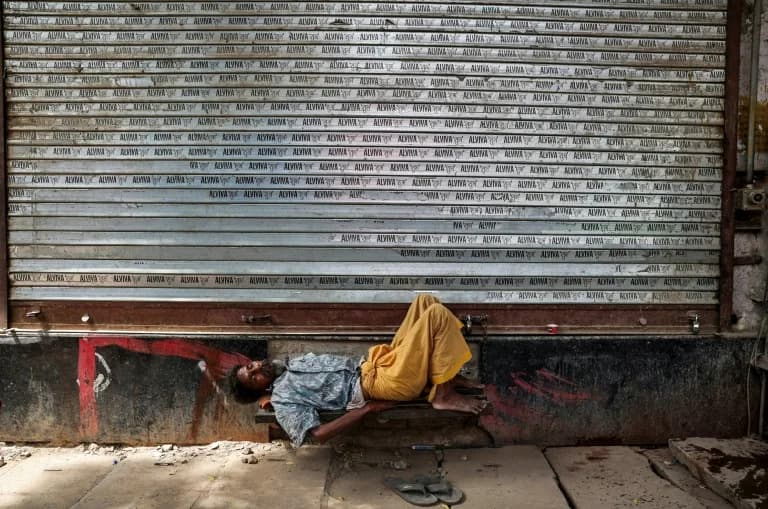
A man takes a nap in front of a closed shop on a hot summer day in Varanasi, in India's Uttar Pradesh, on May 23, 2026 (Niharika KULKARNI)(Niharika KULKARNI/AFP/AFP)
At least 16 people have died from heatstroke in the southern Indian state of Telangana this summer as a broad heatwave sent daytime temperatures well above 45°C in several cities, officials said.
Officials Respond: Revenue Minister Ponguleti Srinivasa Reddy urged "statewide vigilance" and called on authorities to issue advance warnings and clear guidance on precautions during heatwaves. The Telangana government has advised the elderly, children and pregnant women to avoid going outdoors during daytime unless absolutely necessary.
Health Risks: Medical experts warn that extreme heat can cause severe dehydration, which may thicken the blood and, in critical cases, lead to organ failure. Hospitals and emergency services have been placed on alert to manage a rise in heat-related illnesses.
Meteorological Outlook: The India Meteorological Department (IMD) has forecast above-normal temperatures and intense heatwave conditions in multiple regions. In New Delhi and surrounding cities, daytime highs have stayed above 40°C this week, driving electricity demand to record levels.
Alongside scorching daytime heat, overnight minimums have remained elevated, offering little relief and compounding public-health and energy challenges as people struggle to cool homes at night.
Context
India, the world’s most populous nation and the third-largest emitter of greenhouse gases, remains heavily dependent on coal for power generation. The government has pledged to reach net-zero emissions by 2070, two decades later than many industrialised countries. The country's highest officially recorded temperature is 51°C, logged at Phalodi in Rajasthan in 2016.
Precautions: Officials recommend staying hydrated, avoiding strenuous activity during peak heat hours, seeking shade or air-conditioned spaces, and checking on vulnerable neighbours. Local authorities are encouraged to issue heat advisories, open cooling centres where possible and ensure power systems remain resilient.
"The intensity of the heat has reached unprecedented levels," Reddy's office said, urging authorities to step up warnings and public guidance.
Reporting: local officials. bb/abh/hol/mjw
Help us improve.