
President Trump’s $1.8 billion “anti-weaponization” fund and other White House priorities have deepened a rift with Senate Republicans, who warn the dispute could hurt GOP midterm prospects. Senators criticized the fund and a separate request for ballroom funding as distractions from voters’ economic concerns. Despite pushback, the White House has defended the settlement and signaled it will press ahead. With six months until the elections, party leaders fear the infighting may worsen unless the White House changes course.
Senators Are Not Happy: How Trump’s $1.8B Fund and White House Priorities Deepened a GOP Rift
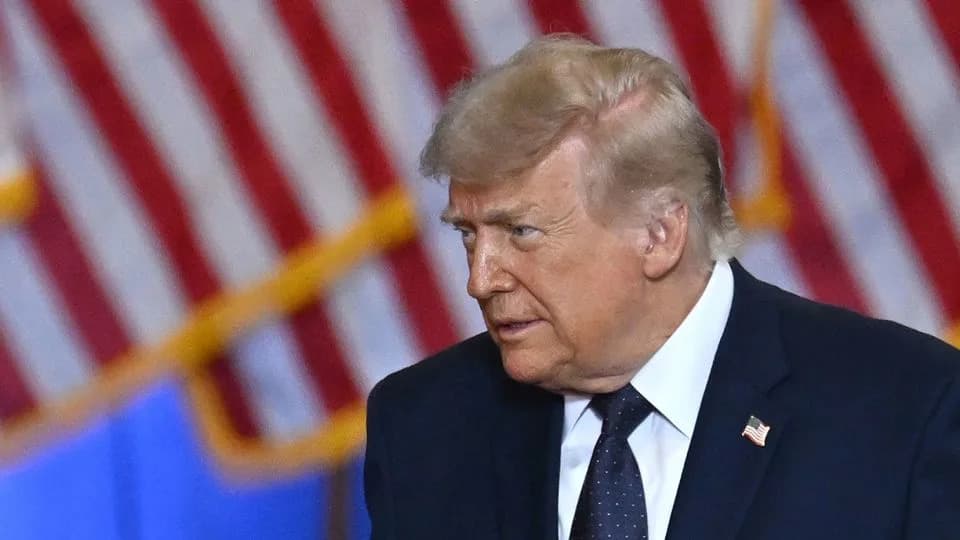
President Donald Trump walks out on stage to speak at Rockland Community College in Suffern, New York, on Friday, May 22. - Anthony Behar/Sipa USA/AP
President Donald Trump’s relationship with Senate Republicans hit a new low this week after a rebellion over his $1.8 billion "anti-weaponization" fund exposed sharp disagreements over the party’s direction and priorities. The dispute—compounded by the White House’s push for ballroom funding and high-profile primary interventions—has left GOP senators warning that the infighting could imperil their midterm prospects.
What Happened
Trump and his allies reacted angrily to public rebukes from Senate Republicans on Friday. On Capitol Hill, GOP senators and senior aides criticized the fund as the latest damaging White House move that could cost the party control of the Senate, according to multiple people familiar with the conversations.
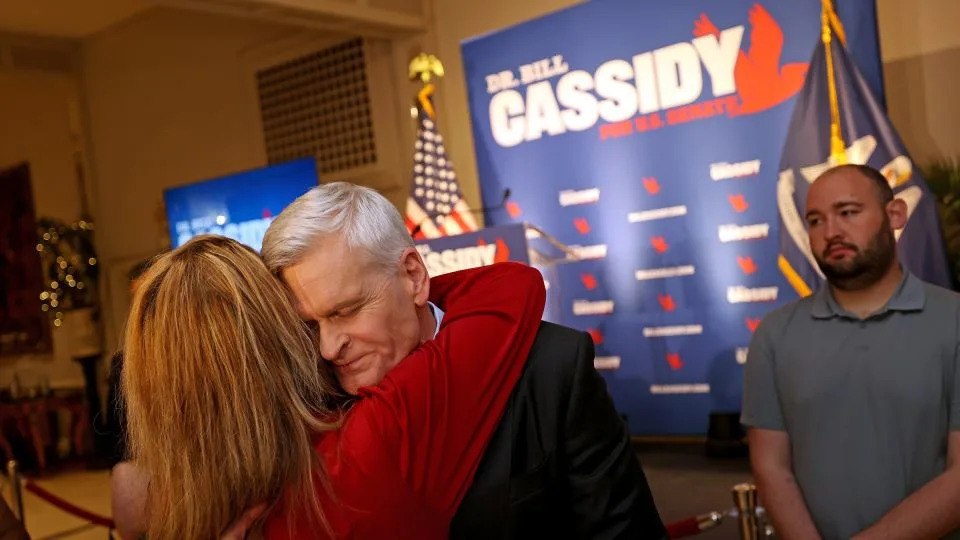
Sen. Bill Cassidy hugs a supporter after conceding his primary election on May 16 in Baton Rouge, Louisiana. - Michael DeMocker/Getty Images
“The president is making it as hard as humanly possible. This is a true unified front. All 53 Republican senators are not happy right now,” said one senior GOP Senate aide.
The fight capped a chaotic stretch that derailed Republican plans to pass a major immigration package by the June 1 deadline Trump had set. Many senators said the episode underscored a long-simmering fear: that Trump’s focus on personal projects and retribution campaigns is distracting the party from economic messaging and policy wins that could help candidates in November.
Why Senators Are Alarmed
In recent days, Trump celebrated the defeat of Sen. Bill Cassidy—whom allies had targeted for supporting his 2019 impeachment conviction—and intervened in a Texas primary by endorsing Ken Paxton over well-liked Sen. John Cornyn. Meanwhile, the White House sought roughly $1 billion to support a new ballroom at the White House and additional Secret Service protection, a request senators feared would reinforce perceptions that the GOP is out of touch.
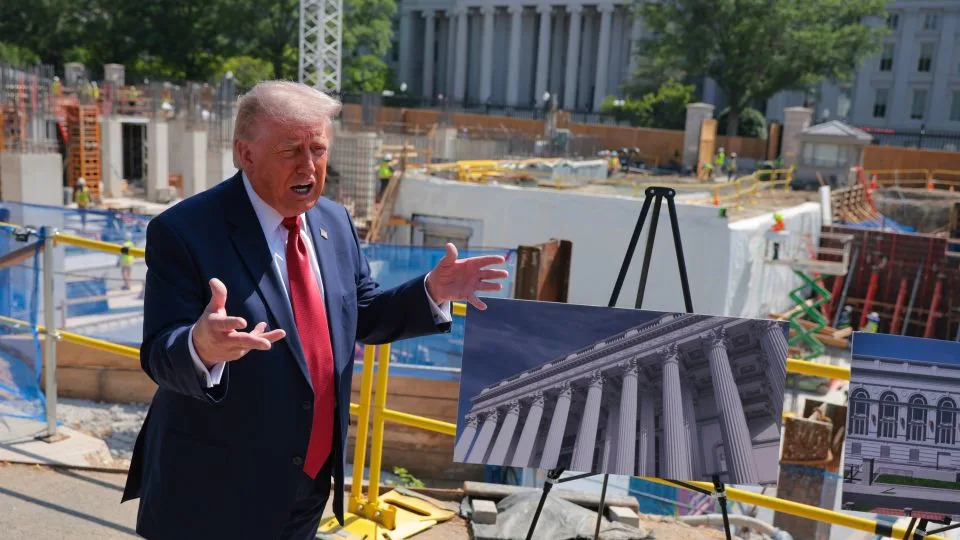
President Donald Trump speaks near the construction on his proposed White House ballroom on May 19. - Chip Somodevilla/Getty Images
When the Senate parliamentarian ruled that the ballroom funding could not be added to Republicans’ broader legislative package, Trump publicly called for her firing—an action many senators regarded as inappropriate and politically unwise. Against that backdrop, the creation of the $1.8 billion fund became a breaking point, sparking public condemnation and a tense closed-door briefing with acting Attorney General Todd Blanche.
Political Fallout
Republican senators have pushed back both publicly and privately, making clear there is minimal support for the fund and warning that continued pursuit of it could jeopardize the party’s broader agenda. “Unless there’s some sort of come-to-Jesus moment in the White House, I don’t know how the calculus changes,” one person familiar with Senate dynamics said. “The rebellious nature has really ticked up this week.”
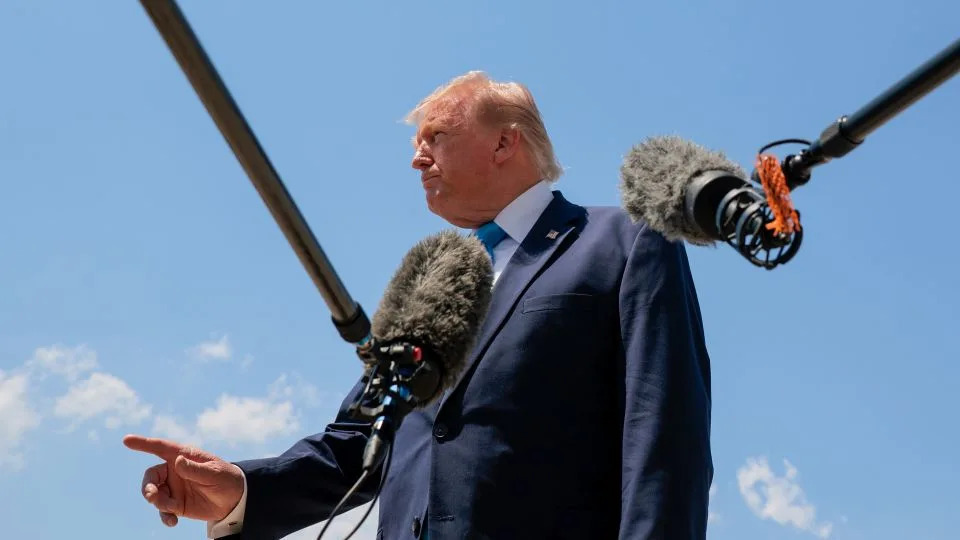
President Donald Trump speaks to reporters at Joint Base Andrews, Maryland, on May 20. - Chip Somodevilla/Getty Images
White House officials dismissed the setback and insisted there would be no change to the fund. Trump defended the settlement, calling it a personal sacrifice and saying he was "helping others" who claim they were unfairly targeted. White House spokeswoman Olivia Wales denied the dispute had harmed relations with Republican lawmakers and circulated statements from several GOP senators expressing continued support for the president.
What Comes Next
Trump and his senior advisers are expected to work with Senate Majority Leader John Thune to try to chart a path forward, though aides said there was no clear plan in the immediate term. Some in Trump’s orbit argued his recent primary successes demonstrate continued influence over Republican voters; others warned that the intra-party tensions could deepen if the party’s midterm outlook worsens.
The episode also appears to have increased the number of independent voices within the conference—retiring senators and other members who now feel freer to speak out. After Cassidy’s primary loss, he publicly denounced the fund and criticized White House priorities, saying voters are focused on basic economic concerns, not high-dollar political settlements.
With roughly six months until the midterm elections, Republicans face a choice: tamp down internal conflict and refocus on pocketbook issues, or press forward with fights that could further widen the rift between the White House and Senate Republicans.
Help us improve.





















