
NASA and Blue Origin have placed a full-scale 15-foot crew-cabin mockup of the Blue Moon lander at Johnson Space Center for astronaut training and design feedback. The cabin, built to fit beneath a 52-foot lander and equipped with an external ladder, will be used for simulations and procedural rehearsals. The move supports upcoming Artemis milestones, including docking and landing tests ahead of planned lunar surface missions and robotic precursor flights targeted for 2026–2028.
Full-Scale Blue Origin Crew Cabin Arrives at Johnson Space Center for Artemis Training
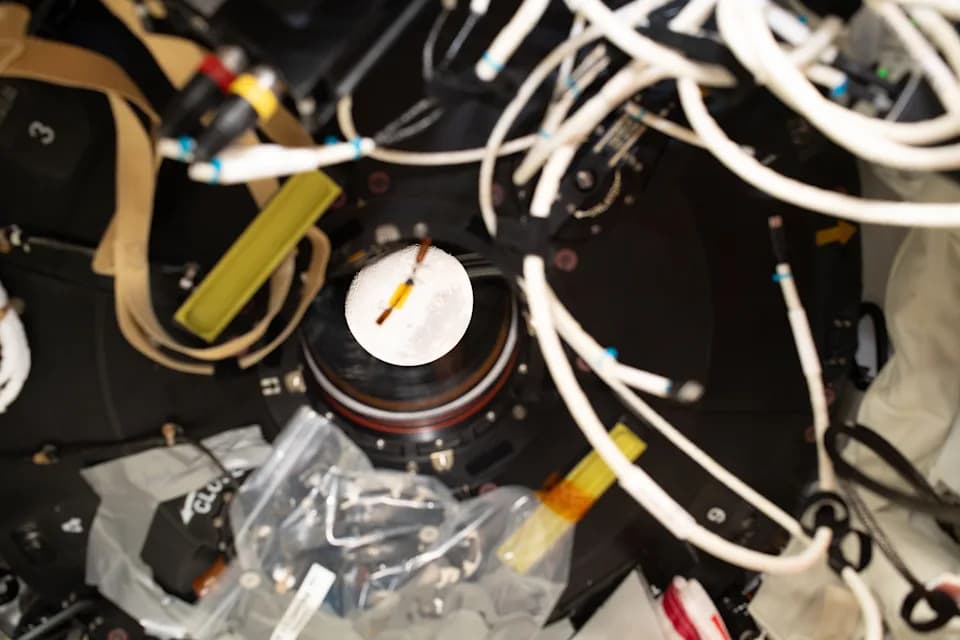
NASA released thousands of new photos taken during the Artemis II mission around the moon. The astronauts selected for the mission thoroughly documented the 10-day voyage, which included an April 6 lunar flyby as they traveled more than a quarter-million miles from Earth.
NASA and Blue Origin have installed a full-scale crew-cabin mockup of the Blue Moon lunar lander at Johnson Space Center in Houston to support astronaut training and design refinement ahead of upcoming Artemis missions.
The 15-foot-tall cabin represents the habitation and work area where astronauts would live and operate during a lunar surface visit. It is designed to sit at the base of Blue Origin’s full 52-foot Blue Moon lander and includes an exterior ladder to replicate the egress astronauts would use to step onto the lunar surface.
Training And Design Feedback
Both NASA and Blue Origin will use the replica for procedural rehearsals, simulated mission scenarios, and crew ingress/egress drills. Engineers will also use the mockup to gather practical design feedback that can inform continued development of the lander as mission plans evolve.
Where This Fits In Artemis
Earlier this year, NASA completed Artemis II, a crewed lunar flyby that tested Orion systems around the Moon. The agency is now preparing for follow-on test flights and surface-capable operations: Artemis III is intended to validate docking and landing procedures ahead of a crewed lunar surface mission, while subsequent missions aim to expand sustained operations on the Moon.
Blue Origin And The Commercial Race
Blue Origin, founded by Jeff Bezos in 2000 and based in Washington state, is developing a Mark 2 Blue Moon human lander (designed to launch uncrewed atop the New Glenn rocket) while preparing an uncrewed Mark 1 pathfinder mission targeted to the Moon’s south pole in 2026. SpaceX is also developing a Human Landing System based on Starship. Both concepts are designed to rendezvous with NASA’s Orion spacecraft in lunar orbit, ferry astronauts to the surface, support surface science and EVA, and return crew to Orion for the trip home.
Robotic Precursors And CLPS
The Mark 1 pathfinder is one of several robotic landings planned in the next few years as part of NASA’s broader strategy to expand cargo and science deliveries. Under the Commercial Lunar Payload Services (CLPS) program, NASA is contracting multiple uncrewed missions to build infrastructure, deliver experiments, and reduce risk before sustained human operations.
Operational Context
Blue Origin became known for New Shepard suborbital flights launched from West Texas; those tourist flights have been paused while the company concentrates on lunar systems. The Johnson mockup will help astronauts rehearse realistic procedures and provide engineers with hands-on data to refine the final lander design ahead of planned robotic and crewed milestones in the coming years.
“The cabin will support simulations and provide valuable design feedback as the lander continues to be developed and mission planning evolves,” NASA said.
Reporting note: This article summarizes recent NASA and Blue Origin activity related to the Blue Moon crew-cabin mockup and its role within the Artemis campaign.
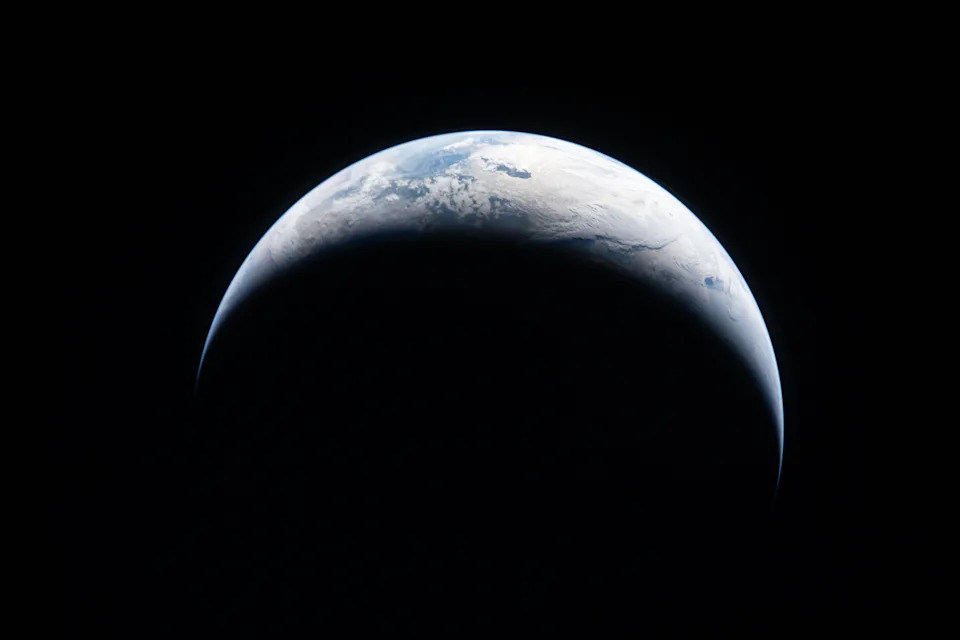
NASA released thousands of new photos taken during the Artemis II mission around the moon. The astronauts selected for the mission thoroughly documented the 10-day voyage, which included an April 6 lunar flyby as they traveled more than a quarter-million miles from Earth.
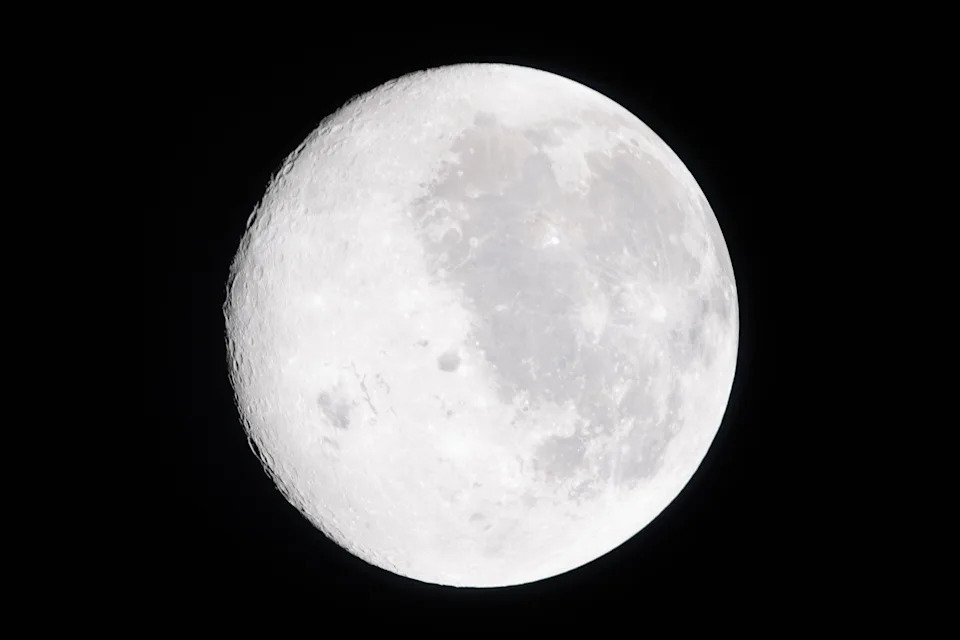
NASA released thousands of new photos taken during the Artemis II mission around the moon. The astronauts selected for the mission thoroughly documented the 10-day voyage, which included an April 6 lunar flyby as they traveled more than a quarter-million miles from Earth.
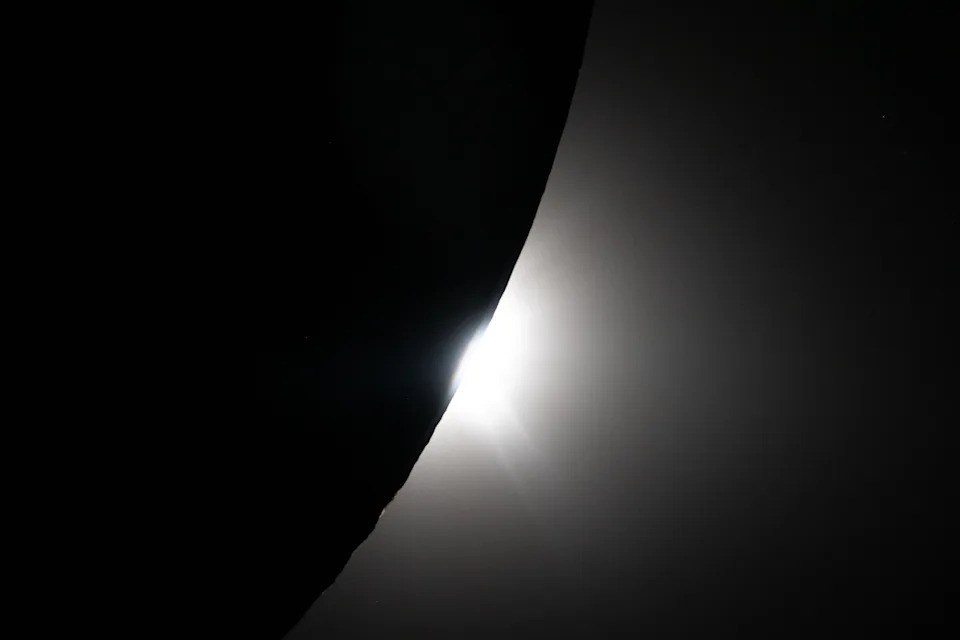
NASA released thousands of new photos taken during the Artemis II mission around the moon. The astronauts selected for the mission thoroughly documented the 10-day voyage, which included an April 6 lunar flyby as they traveled more than a quarter-million miles from Earth.
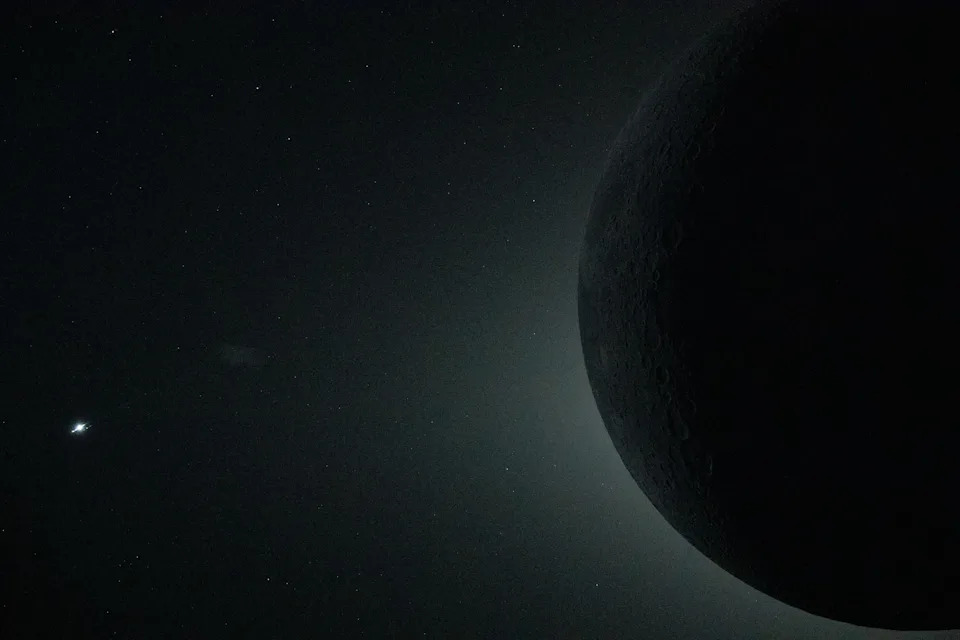
NASA released thousands of new photos taken during the Artemis II mission around the moon. The astronauts selected for the mission thoroughly documented the 10-day voyage, which included an April 6 lunar flyby as they traveled more than a quarter-million miles from Earth.
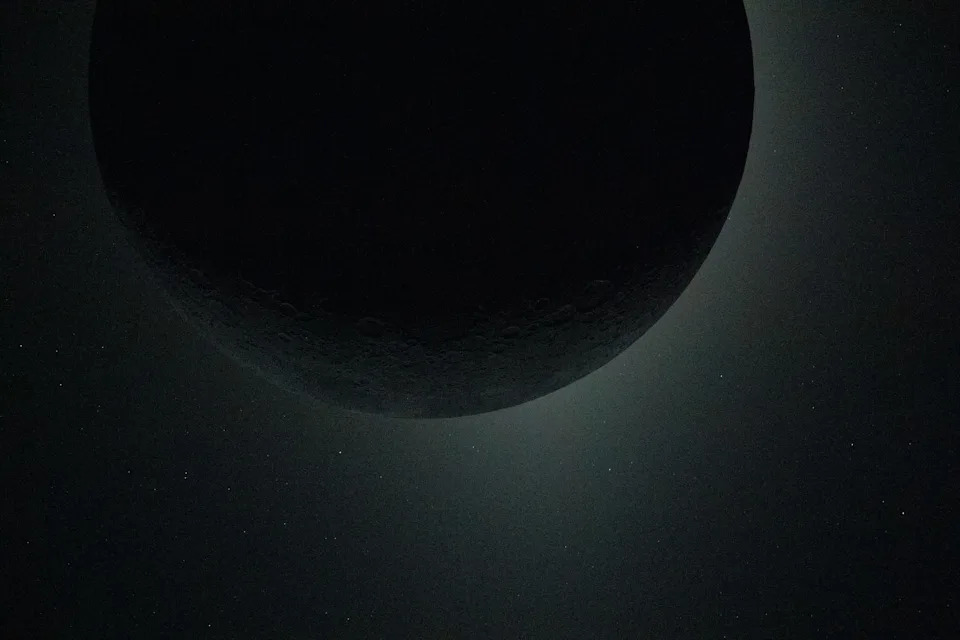
NASA released thousands of new photos taken during the Artemis II mission around the moon. The astronauts selected for the mission thoroughly documented the 10-day voyage, which included an April 6 lunar flyby as they traveled more than a quarter-million miles from Earth.
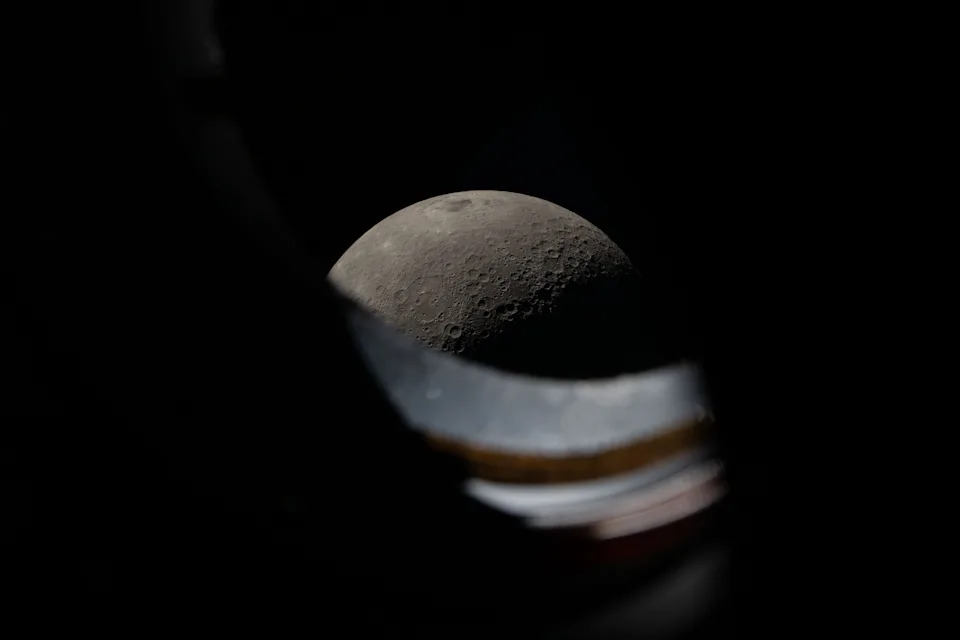
NASA released thousands of new photos taken during the Artemis II mission around the moon. The astronauts selected for the mission thoroughly documented the 10-day voyage, which included an April 6 lunar flyby as they traveled more than a quarter-million miles from Earth.
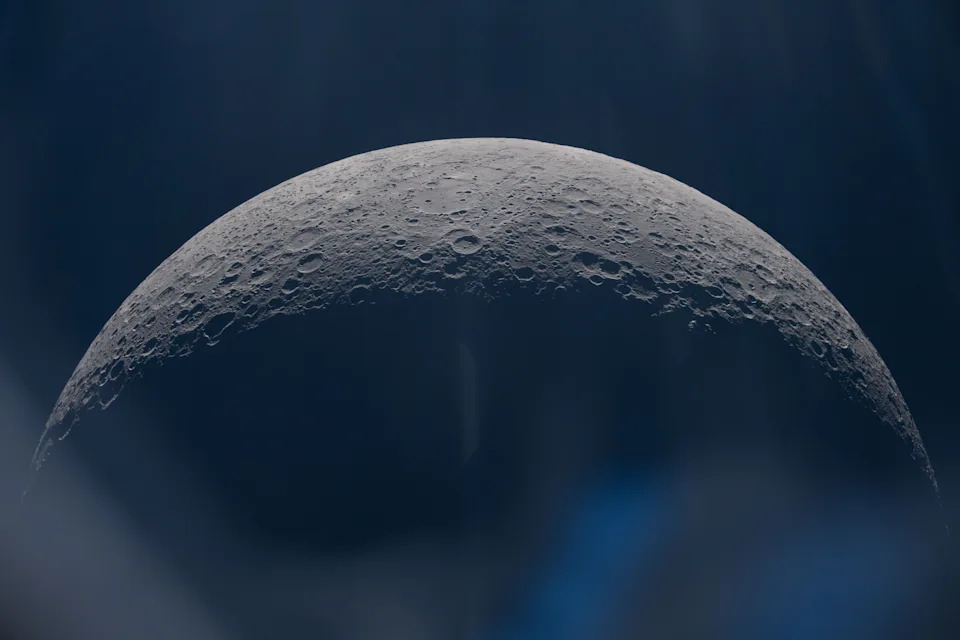
NASA released thousands of new photos taken during the Artemis II mission around the moon. The astronauts selected for the mission thoroughly documented the 10-day voyage, which included an April 6 lunar flyby as they traveled more than a quarter-million miles from Earth.
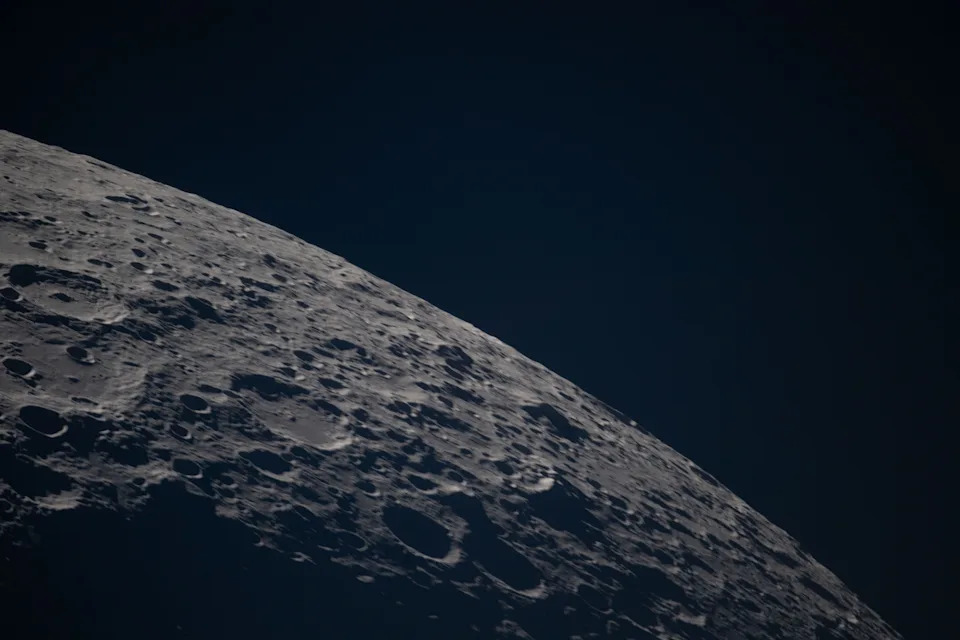
NASA released thousands of new photos taken during the Artemis II mission around the moon. The astronauts selected for the mission thoroughly documented the 10-day voyage, which included an April 6 lunar flyby as they traveled more than a quarter-million miles from Earth.
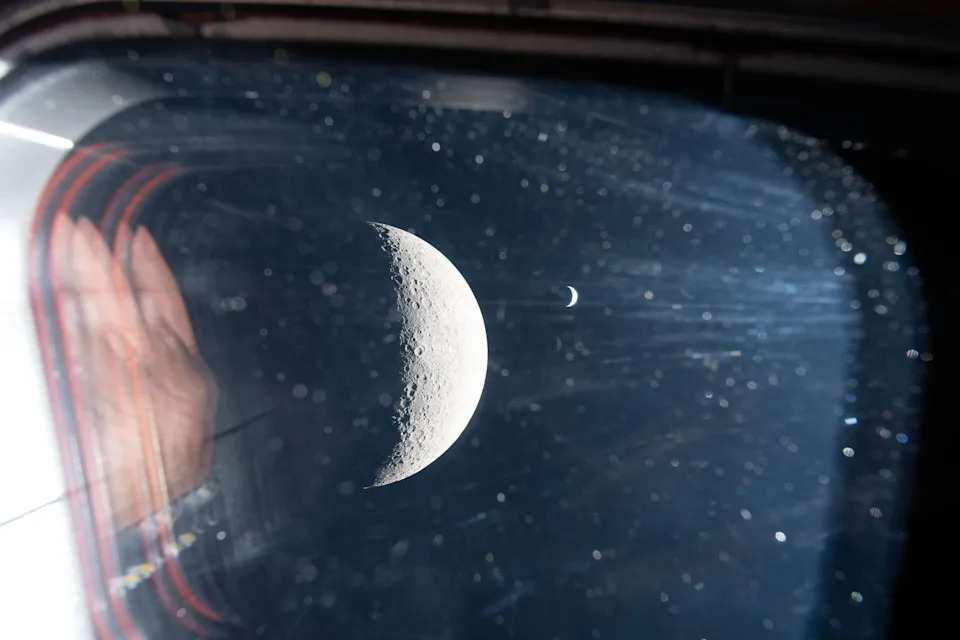
NASA released thousands of new photos taken during the Artemis II mission around the moon. The astronauts selected for the mission thoroughly documented the 10-day voyage, which included an April 6 lunar flyby as they traveled more than a quarter-million miles from Earth.
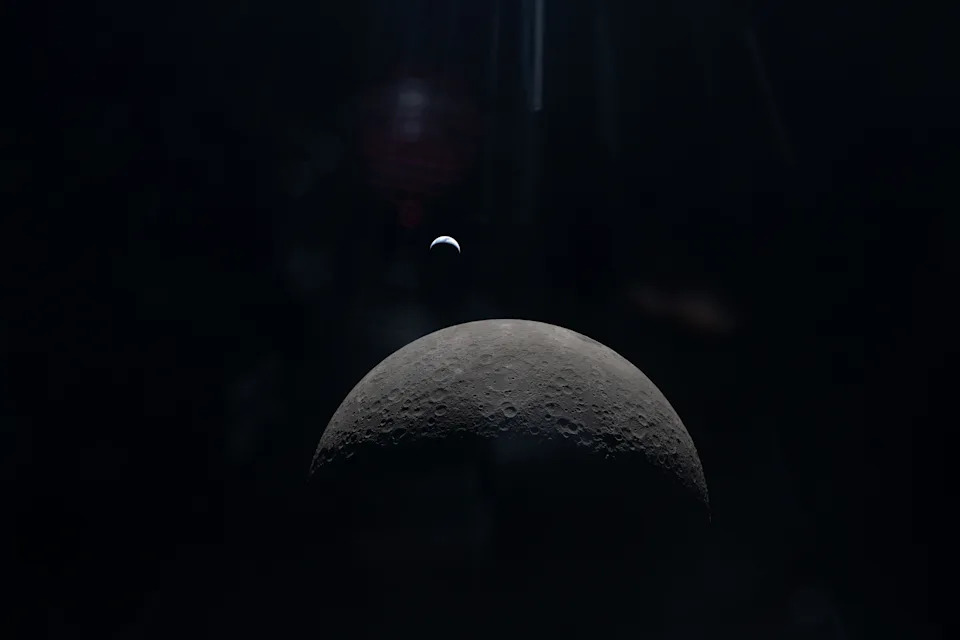
NASA released thousands of new photos taken during the Artemis II mission around the moon. The astronauts selected for the mission thoroughly documented the 10-day voyage, which included an April 6 lunar flyby as they traveled more than a quarter-million miles from Earth.
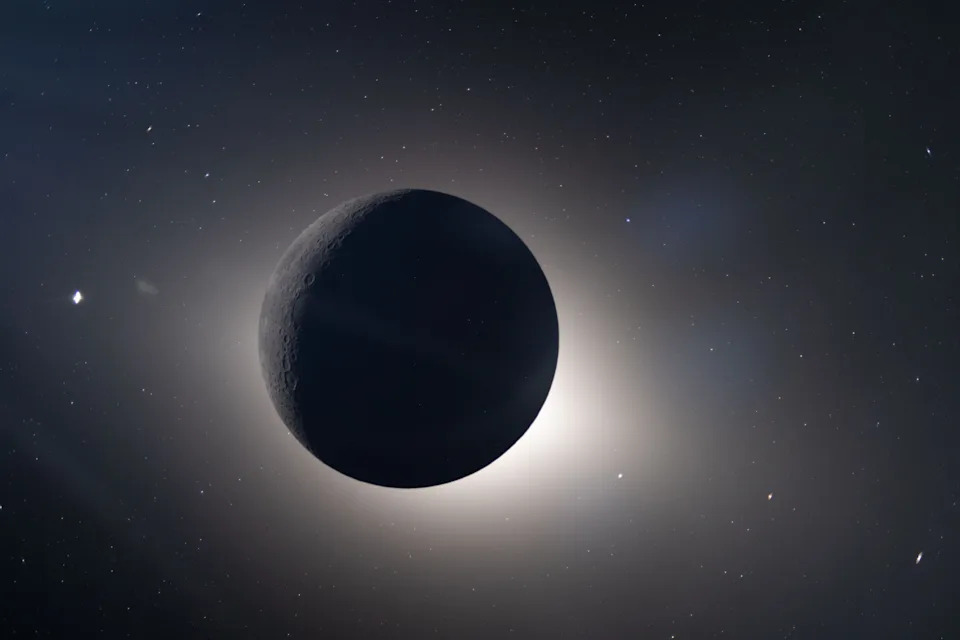
NASA released thousands of new photos taken during the Artemis II mission around the moon. The astronauts selected for the mission thoroughly documented the 10-day voyage, which included an April 6 lunar flyby as they traveled more than a quarter-million miles from Earth.
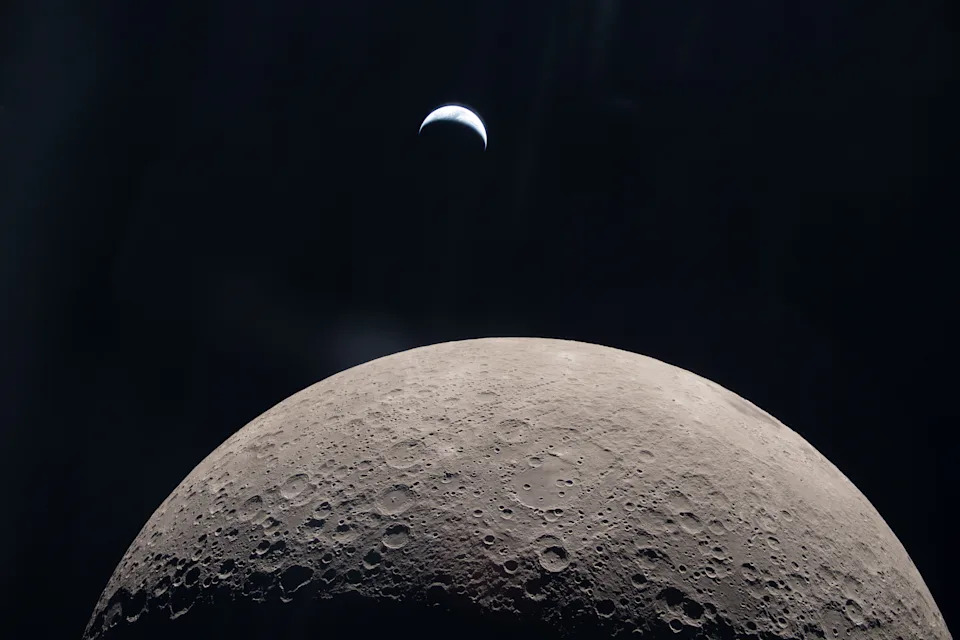
NASA released thousands of new photos taken during the Artemis II mission around the moon. The astronauts selected for the mission thoroughly documented the 10-day voyage, which included an April 6 lunar flyby as they traveled more than a quarter-million miles from Earth.
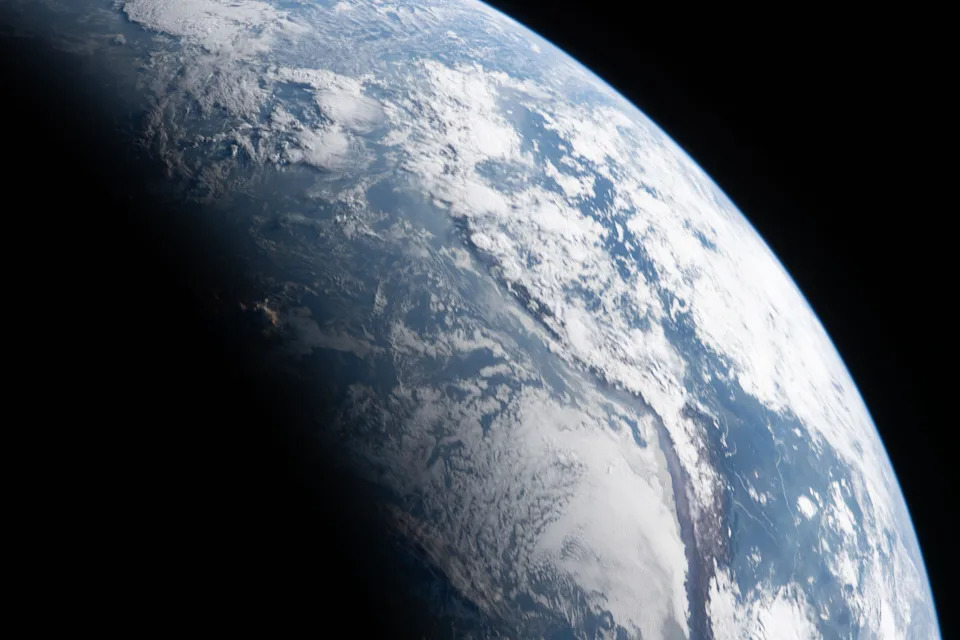
NASA released thousands of new photos taken during the Artemis II mission around the moon. The astronauts selected for the mission thoroughly documented the 10-day voyage, which included an April 6 lunar flyby as they traveled more than a quarter-million miles from Earth.

NASA released thousands of new photos taken during the Artemis II mission around the moon. The astronauts selected for the mission thoroughly documented the 10-day voyage, which included an April 6 lunar flyby as they traveled more than a quarter-million miles from Earth.
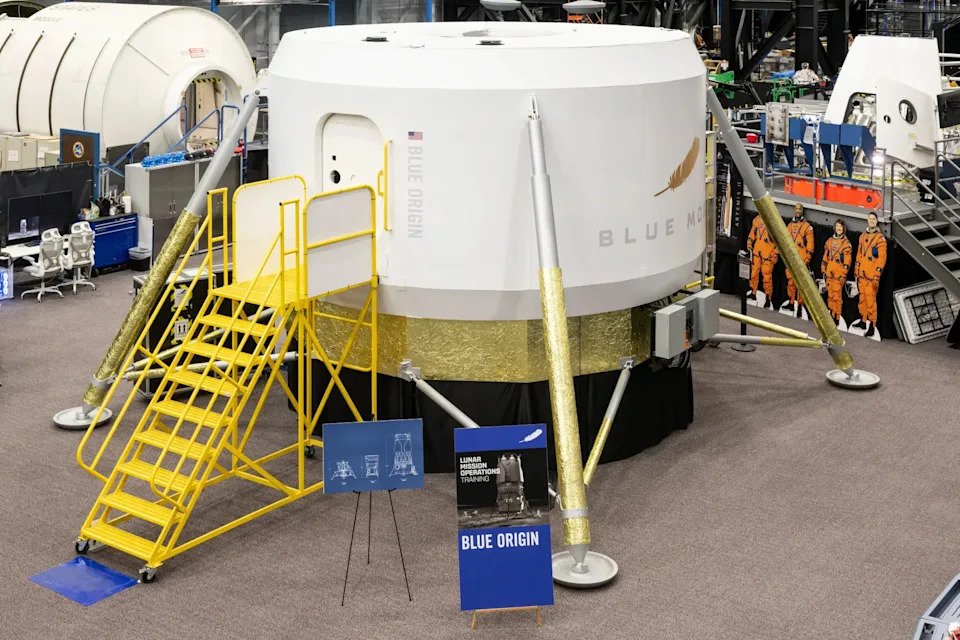
Located in Space Vehicle Mockup Facility at NASA’s Johnson Space Center, the full-scale prototype of the crew cabin of Blue Origin’s Blue Moon Mark 2 crew lander is over 15 feet tall.
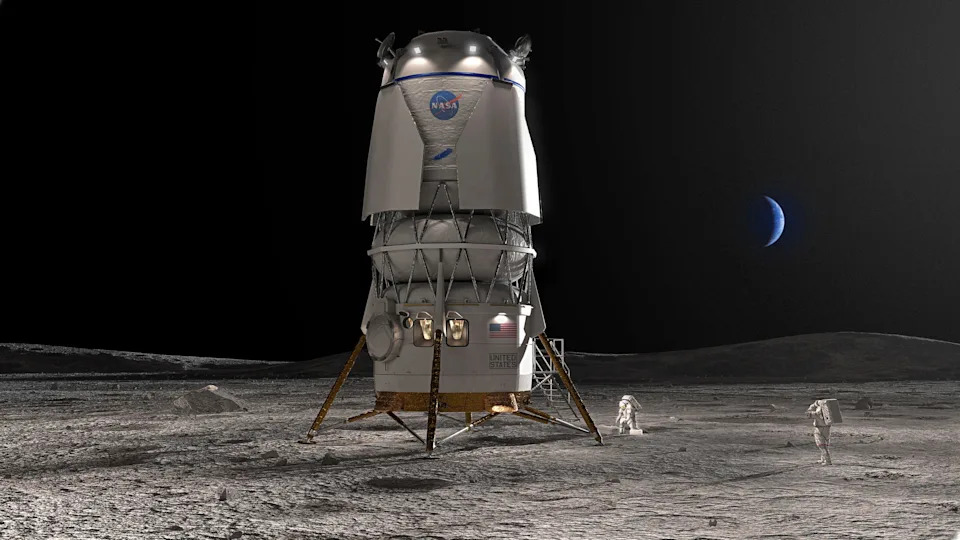
An artist's illustration depicts Blue Origin's Blue Moon Mark 2 human lunar lander on the surface of the moon.
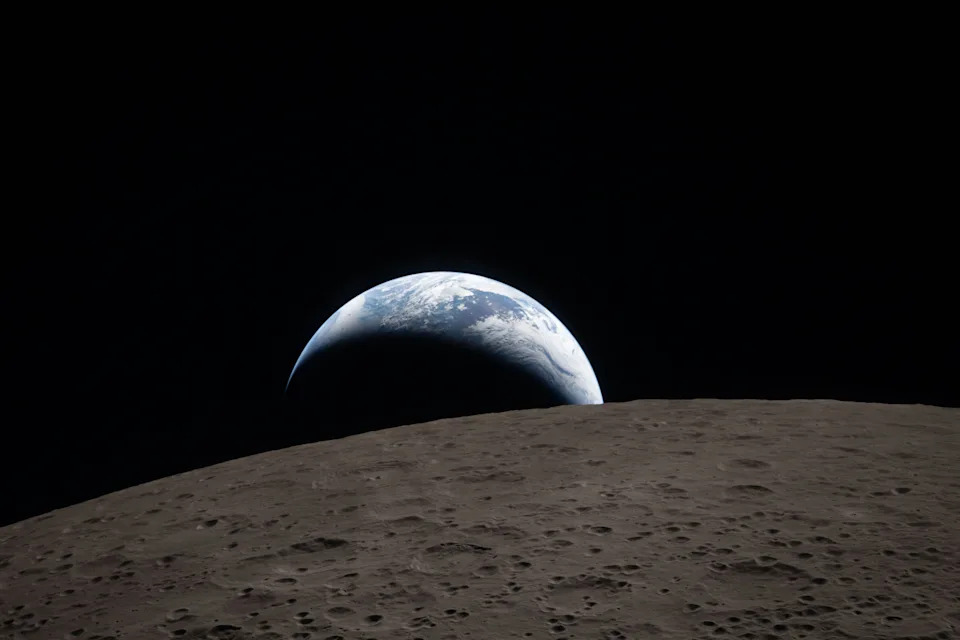
The crew of Artemis II captured a breathtaking image of a celestial event known as an "Earthset," in which the Earth dropped below the lunar horizon. The image is reminiscent of the iconic "Earthrise" photo that NASA astronaut Bill Anders captured in 1968 during the Apollo 8 mission that showed our planet rising on the lunar horizon.
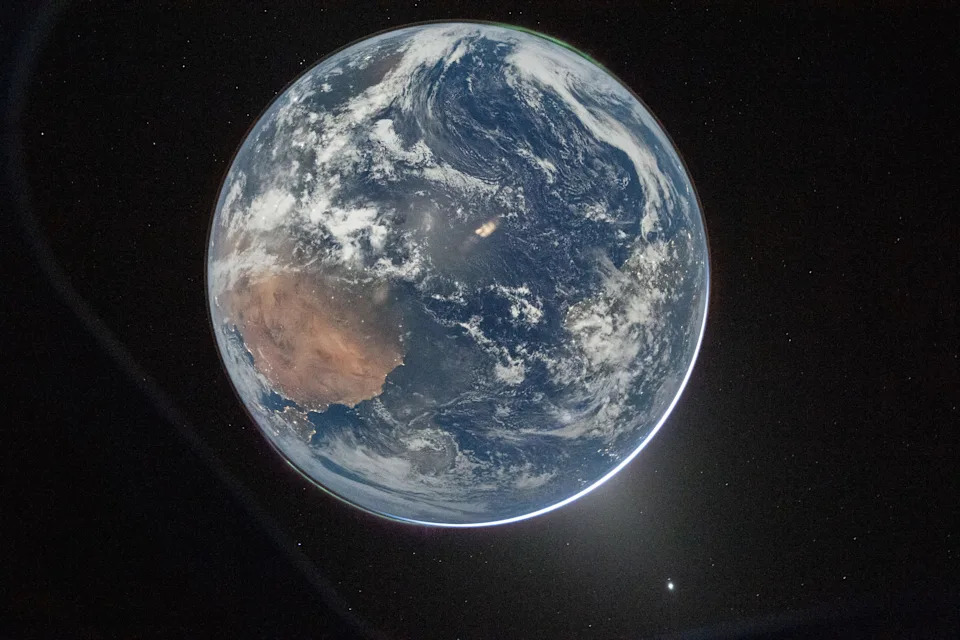
Artemis II Commander Reid Wiseman of NASA took this stunning photograph of Earth from the Orion spacecraft's window on April 2. The image is reminiscent of the iconic "blue marble" image captured during the Apollo 17 mission in 1972.
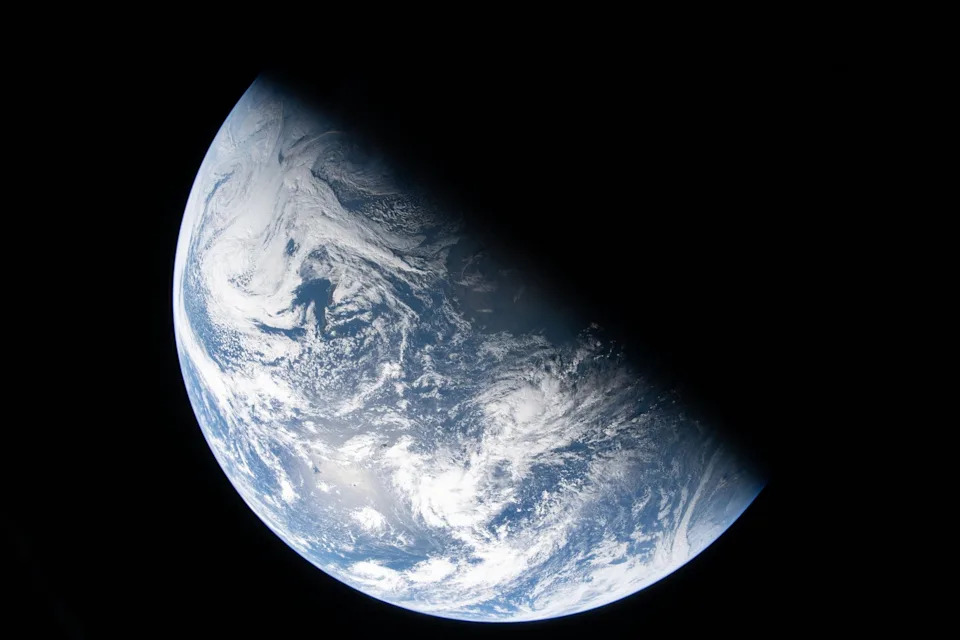
In this new image from the Artemis II crew, NASA explains that what is depicted is the "divide between night and day, known as the terminator, cutting across Earth."
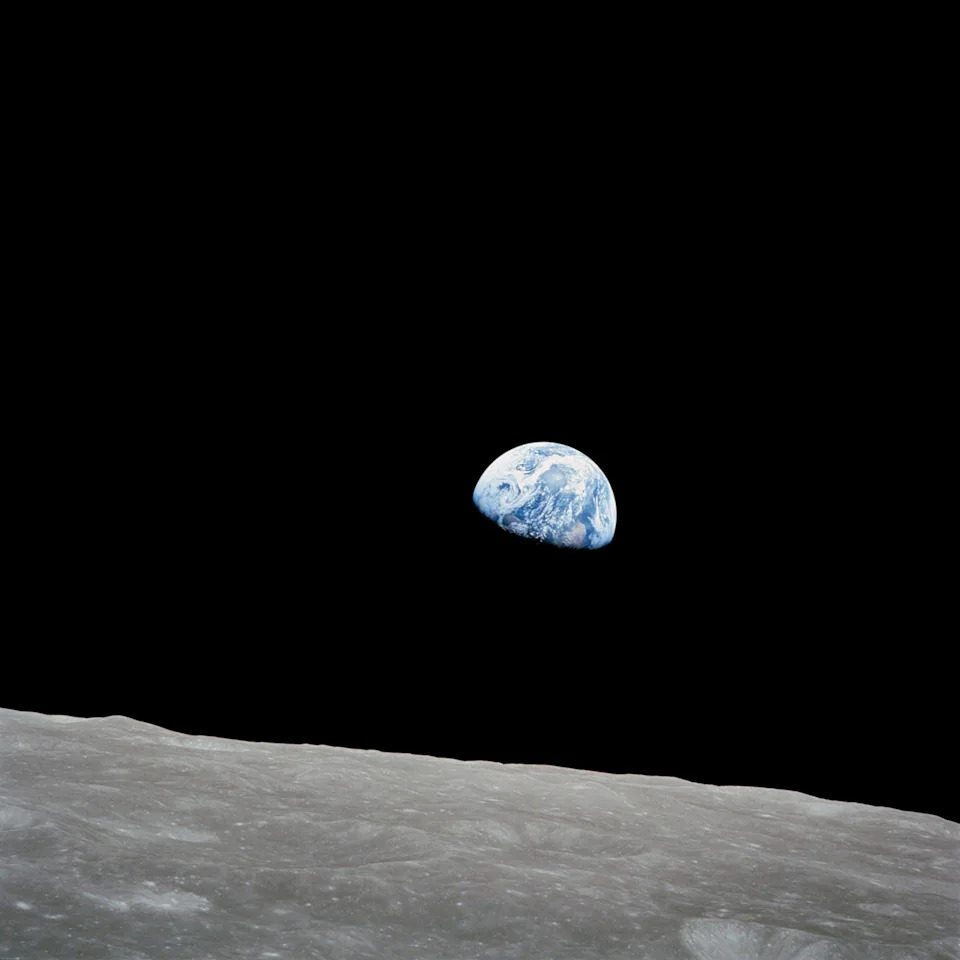
William Anders, a NASA astronaut on the historic Apollo 8 mission around the moon, took the iconic “Earthrise” photo while in lunar orbit on Dec. 24, 1968.
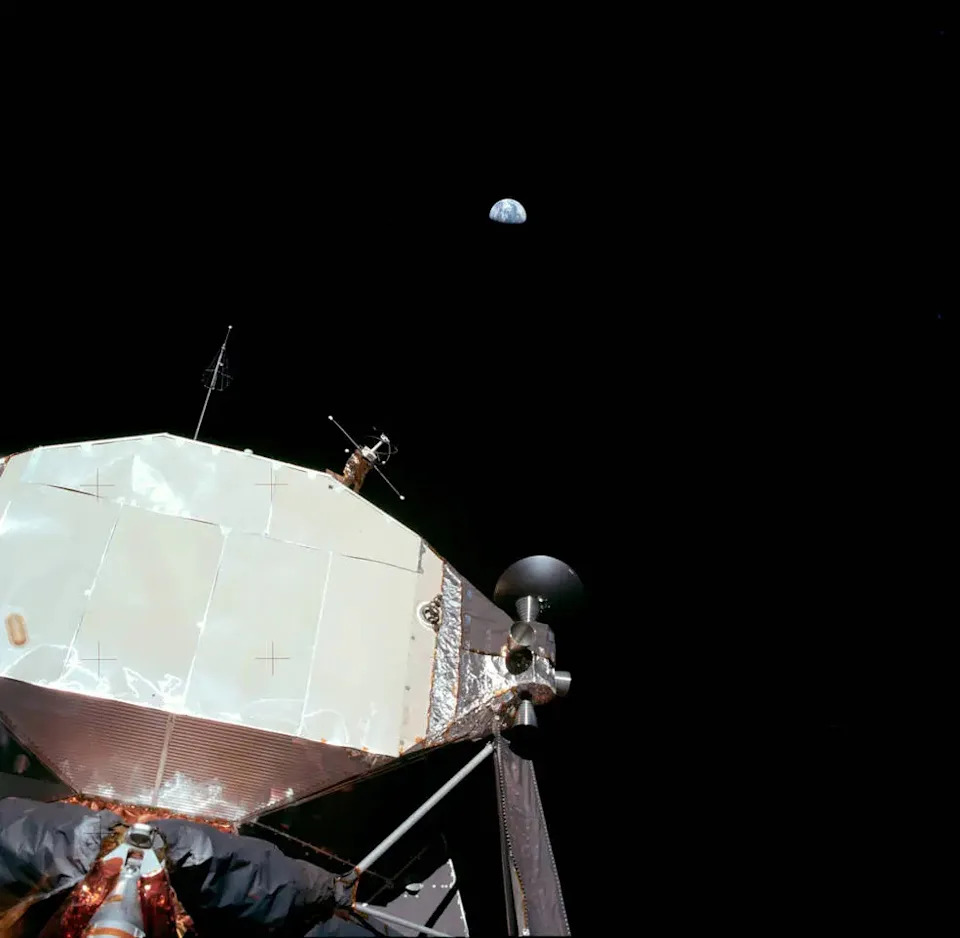
The first photograph of the Earth taken by an astronaut standing on the lunar surface, taken during the Apollo 11 Moon landing in 1969.

One of the most well-known photographs of Earth, the "blue marble" image was taken by the crew of the final Apollo mission (Apollo 17) as the crew made its way to the moon in 1972.

Voyager 1's 1990 photo of Earth, widely referred to as the "pale blue dot," was taken at a distance of 3.7 billion miles from the sun, making it the first photo taken beyond all the planets in our solar system. This image was created in 2020 or the 30th anniversary of the iconic picture using modern image-processing software and techniques to revisit the well-known Voyager view.
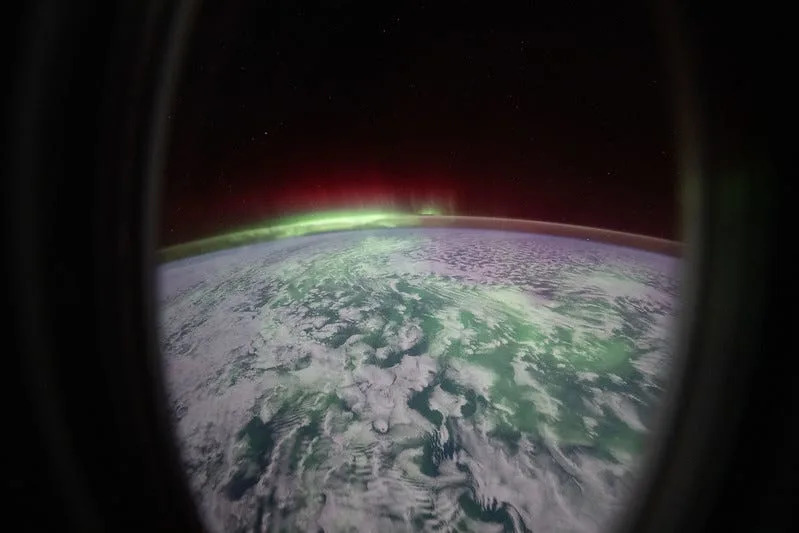
Because the International Space Station orbits so close to Earth's atmosphere (about 250 miles high,) the outpost and the astronauts who have lived aboard it have been the source of plenty of spectacular photos of our planet for 25 years. This recent photo, taken April 6, 2026, shows auroras glowing over the Indian Ocean.
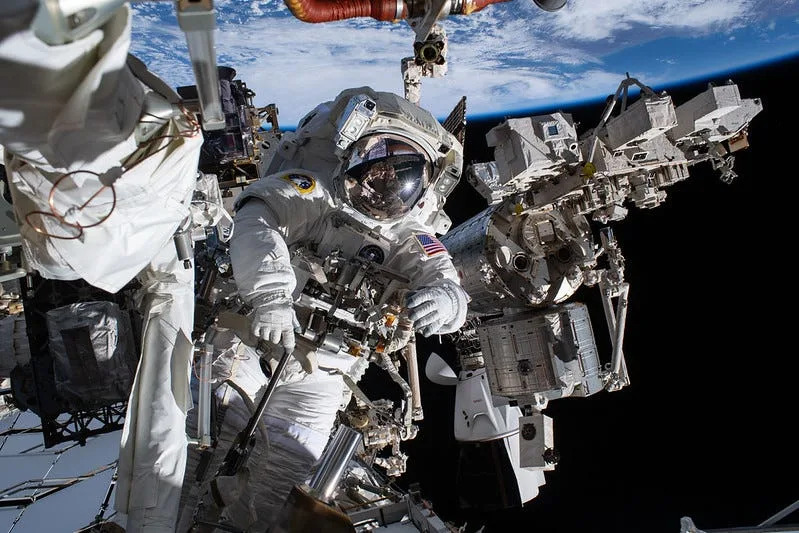
NASA astronaut Chris Williams is pictured outside the International Space Station during a March 18, 2026 spacewalk with Earth in the background.

The devastating Hurricane Milton, a Category 4 storm at the time of this photograph, is pictured Oct. 8, 2024 in the Gulf of Mexico (renamed the Gulf of America) off the coast of Yucatan Peninsula from the International Space Station as it orbited 257 miles above.
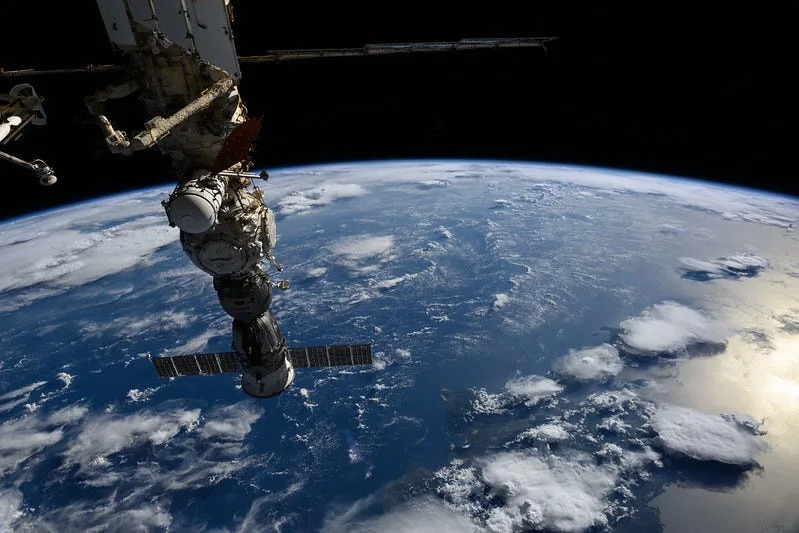
The Soyuz MS-27 crew spacecraft is pictured Sept. 14, 2025 docked to the International Space Station's Prichal module as the orbital outpost soared 257 miles above a gleaming blue Atlantic Ocean, north of the Dominican Republic.
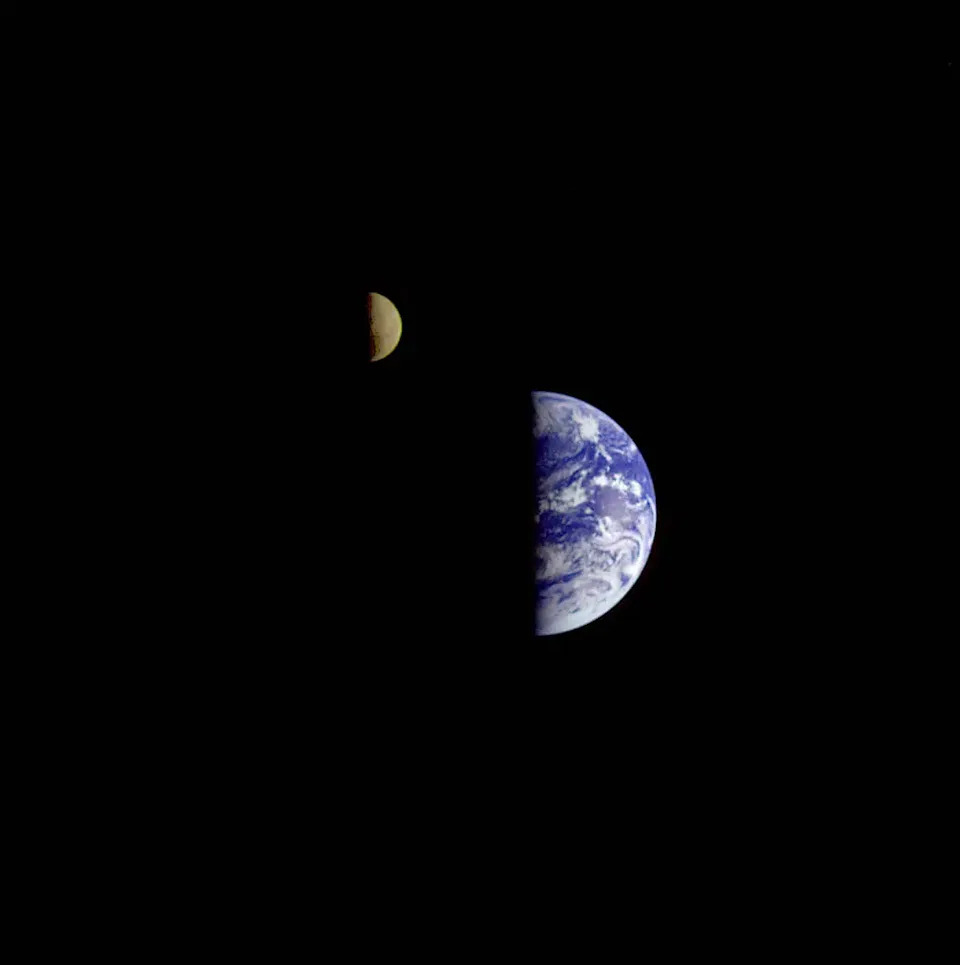
On December 16, 1992, eight days after its encounter with Earth, the Galileo spacecraft looked back from a distance of about 3.9 million miles to capture this remarkable view of the moon in orbit about Earth.
Help us improve.





















