Interest among U.S. women in relocating abroad has surged since 2014 and spiked after the 2022 Roe v. Wade reversal. A Gallup poll found 40% of women aged 15–44 would move permanently, versus about 19% of young men, creating a record gender gap. Interviewed women cite gun violence, political turmoil and poor work–life balance as key drivers, while relocation services report rising demand despite visa, language and pay challenges.
Why More U.S. Women Are Choosing To Move Abroad: Politics, Safety And Work–Life Balance

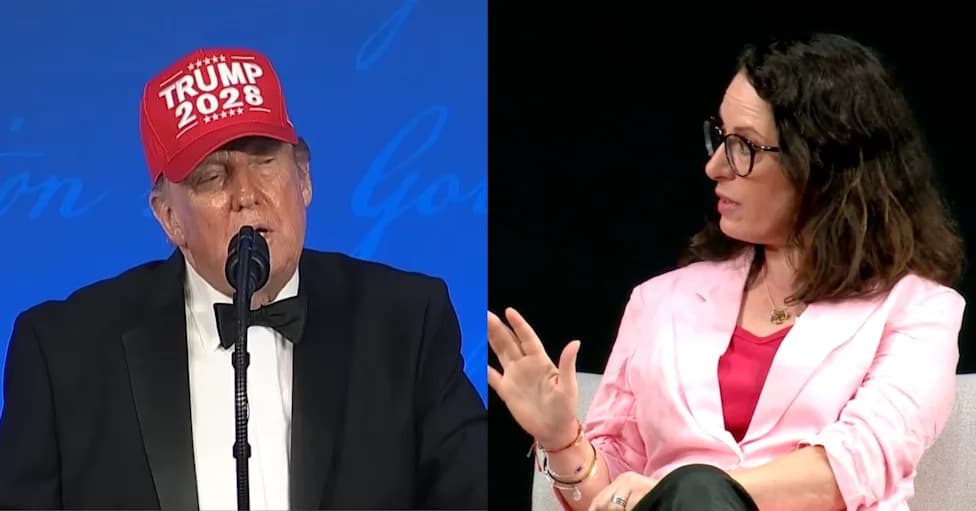
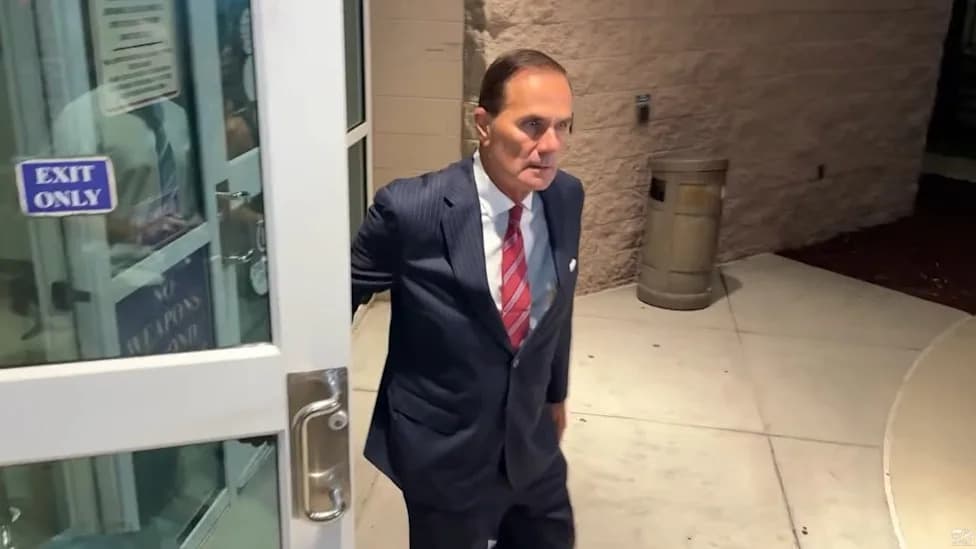
Jenelle Jones and Alexandra Blydenburgh.Composite: Handout(Composite: Handout)
In 2022, after the U.S. Supreme Court overturned Roe v. Wade, entrepreneur Jen Barnett noticed a sudden surge of traffic to a website she had launched days earlier for Americans considering relocation overseas. That spike convinced her to co-found Expatsi, a relocation service that has since helped thousands of Americans — roughly two-thirds of them women — explore life abroad.
A Growing Gender Gap
A Gallup poll found that 40% of American women aged 15–44 would move permanently if given the chance, compared with about 19% of young men. The survey, which sampled roughly 1,000 people, showed that interest among women to emigrate has grown about fourfold since 2014 — producing what Gallup called the widest gender gap it has recorded across countries it has polled.
Why Many Women Say They Want To Leave
Interviews with women who have relocated to Latin America and Europe reveal recurring motives: concerns about gun violence and school safety, frustration with U.S. politics and social rhetoric, and a desire for a healthier work–life balance. Emily Burt, who moved to Ecuador with her husband and children, described a persistent anxiety after her child’s Texas school began active-shooter drills. Others cite long-term disillusionment with the promise of American exceptionalism and greater exposure, via social media, to alternatives abroad.
"If it weren’t for young women, this business wouldn’t exist," said Barnett, noting how political events have shifted motives for relocation.
Politics As A Tipping Point
While many reasons predate recent political events, some interviewees said high-profile developments intensified their plans. "The politics were just like fuel for the fire," said Jenelle Jones, who left Tennessee in search of walkable cities, reliable public transit and more inclusive communities. Barnett reports that after Donald Trump’s re-election in November 2024, clients increasingly cited politics as their primary reason for leaving — a dramatic shift from pre-2024 motives like adventure and lower cost of living.
New Services And A Rising Industry
Relocation firms and niche communities have emerged to serve Americans considering emigration: from online groups for women over 30 to services aimed at Black Americans and tours for those seeking to leave for political reasons. Relocation firms across Europe report surges of U.S. inquiries; Irish passport applications from U.S. citizens rose to a decade high in early 2024, France saw more long-stay visa requests, and British citizenship applications from Americans hit record levels since 2004.
Trade-Offs And Practical Challenges
Those who move underscore that life abroad comes with trade-offs: language barriers, distance from family, often-lower salaries, and complex immigration processes. "Being American abroad, it’s an endless cycle of trying to find ways to get a visa," said Alexandra Blydenburgh, who has lived in several European countries. Many interviewees said they accept these difficulties in exchange for what they perceive as greater personal safety, respect, and a more balanced life.
What The Trend Suggests
Experts and entrepreneurs tracking the trend expect interest to continue while U.S. political and social tensions persist. Barnett summed up the dilemma succinctly: "Listen, we would rather have democracy than the business. But we are going to seize the moment and make sure we can help as many Americans as we can." For many women, the decision to move is a deeply personal response to safety concerns, political disillusionment and a search for a different daily life.
Help us improve.