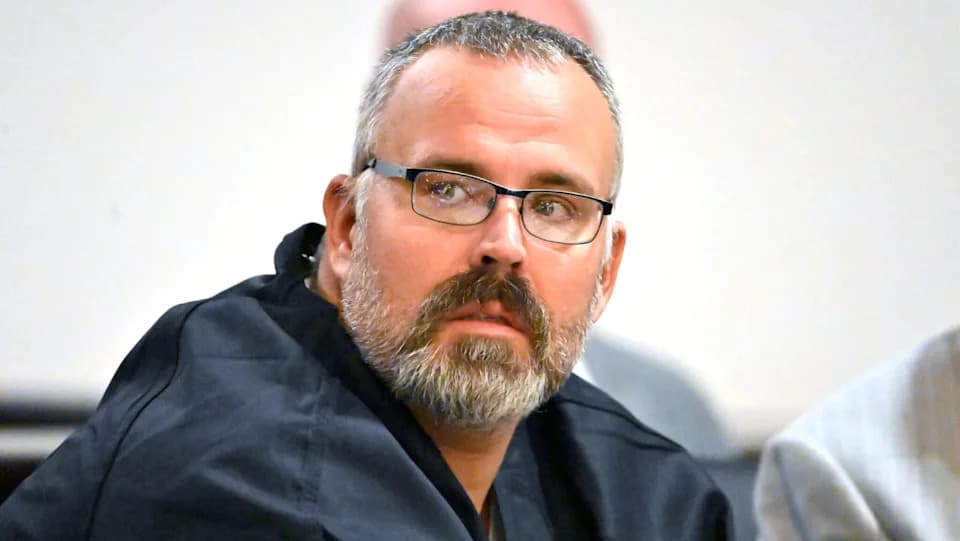
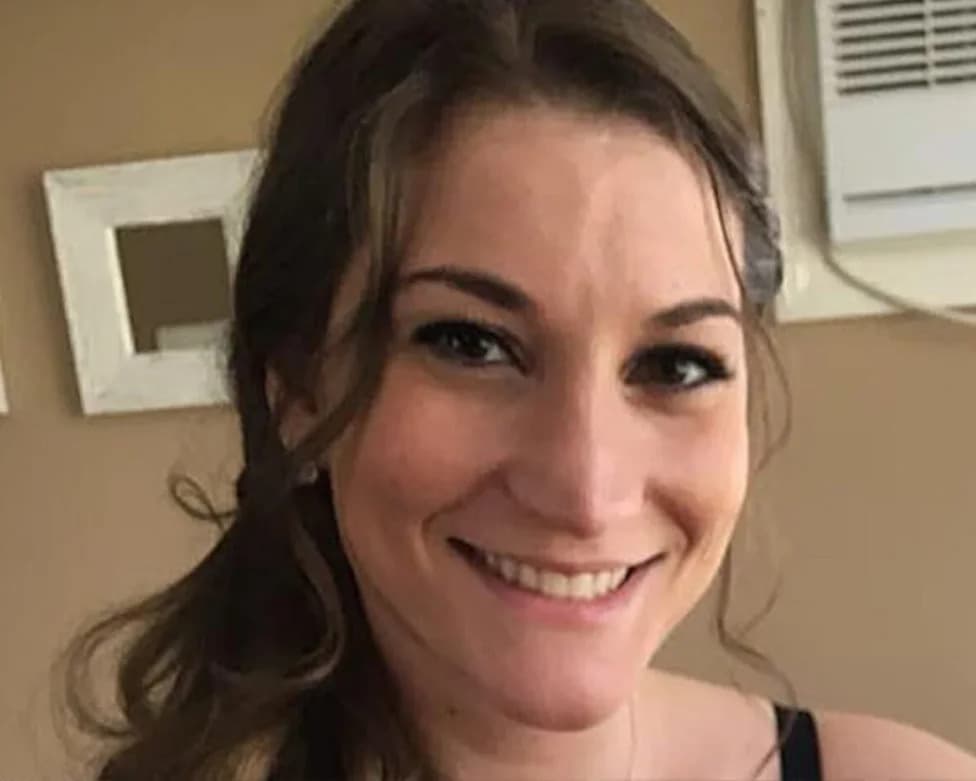
The Sixth Circuit granted qualified immunity to 11 Livingston County officers after John Griswold, who had been evaluated at a hospital for QTc prolongation and warned to seek care for "recurring vomiting," returned to jail, vomited around 8:00 p.m., and lay largely motionless covered in vomit overnight. Deputies checked him roughly 25 times; he convulsed after breakfast and died about ten minutes later. The appeals court concluded the need for immediate medical attention was not "obvious" under precedent, while questions about overnight medical staffing and failure‑to‑train claims against the county remain.
6th Circuit Grants Qualified Immunity After Michigan Detainee Spent 13 Hours Covered In Vomit And Died
Cops Get Qualified Immunity After Michigan Man Spends 13 Hours in Vomit and Dies in Jail
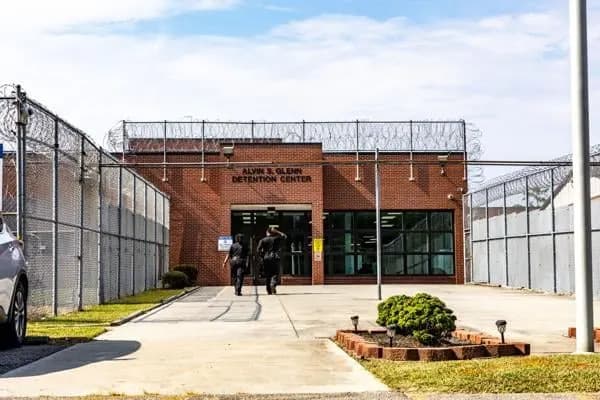
In a recent decision, the U.S. Court of Appeals for the Sixth Circuit granted qualified immunity to 11 Livingston County, Michigan, law-enforcement officers involved in the 2018 detention and subsequent death of John Griswold. The appeals court reversed a March 2025 ruling by U.S. District Judge Robert Whi te that had denied immunity to seven officers and the county.
What Happened
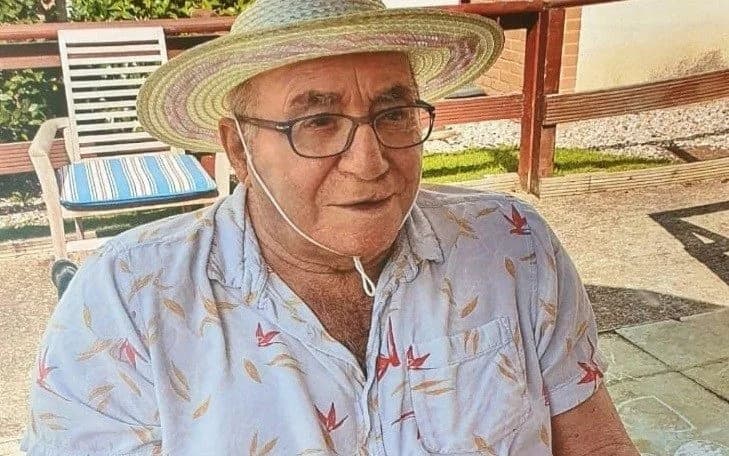
John Griswold, a father of two with no criminal record, was arrested in October 2018 after a dispute with his brother. Family members told officers Griswold had swallowed at least ten pills; his brother later said Griswold had been irritable after taking anti-anxiety and antidepressant medication. During transport to the county jail Griswold slurred his speech, struggled to remain upright and told officers he could "hardly walk."
At the jail, nurse Trina Barnett observed sweating and "pin point pupils" and sent Griswold to St. Joseph Mercy Livingston Hospital. Attending physician Dr. William Kanitz diagnosed QTc prolongation — a heart‑rhythm disturbance associated with some antidepressants — and determined there was no immediate life‑threatening risk. His discharge paperwork warned officers to seek medical care for "significant changes or worsening" and specifically for "recurring vomiting."
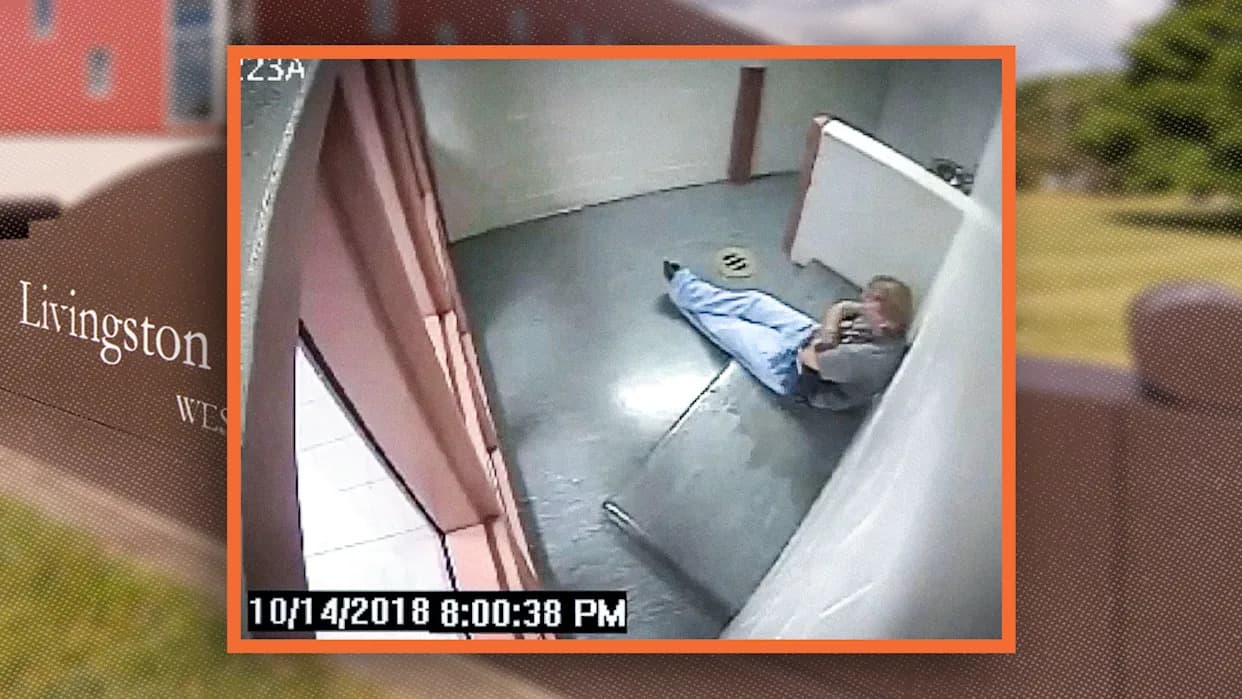
After returning to the jail, video and court records show Griswold vomited around 8:00 p.m. and then remained largely motionless, covered in vomit, for the rest of the night. Deputies checked on him roughly 25 times. Video shows Deputy Patrick Turchi entering the cell, although he later testified he did not remember doing so or noticing the vomit. Officers were seen serving him breakfast outside his cell shortly before he began convulsing; two deputies looked into the cell as the convulsions began, and Griswold was pronounced dead about ten minutes later. Court records list the cause as "sudden cardiac death."
The Legal Ruling
The Sixth Circuit applied the qualified‑immunity standard, which protects officials from federal civil‑rights suits unless they violate a "clearly established" constitutional right. The appeals court concluded that Griswold's condition, based on the record, did not present an "obvious" need for immediate medical intervention under existing Supreme Court and Sixth Circuit precedents (including Blackmore, Preyor and Burwell), and therefore the officers were entitled to immunity.
The district court had previously allowed claims against the county to proceed under a failure‑to‑train theory, finding evidence that inadequate training may have contributed to Griswold's death. The Sixth Circuit's decision, however, shields the individual officers from federal civil‑rights liability unless plaintiffs identify a clearly established right that was violated.
Disputes, Training, And Staffing
The record contains tension between the appeals court's factual assessment and evidence pointing to officer awareness. Deputies checked on Griswold multiple times and video shows some officer contact with the cell. At the same time, Livingston County does not provide an on‑site medical professional between 10:00 p.m. and 6:00 a.m., which places overnight health‑monitoring duties on deputies. Both the sheriff and deputies testified they were not trained to assess medical distress or reliably identify symptoms requiring "immediate medical attention." That lack of training was central to the district court's earlier decision allowing failure‑to‑train claims against the county to proceed.
Why It Matters
The case highlights continuing legal and policy debates over the scope of qualified immunity and the responsibilities of jail staff to monitor detainees' medical needs, especially overnight. Critics argue that officers should be required to obtain or provide medical assistance for unresponsive detainees — particularly when someone is covered in vomit and cannot advocate for themselves. Supporters of the ruling emphasize the high bar required to overcome qualified immunity: plaintiffs must show that the constitutional violation was clearly established under controlling precedent.
Note: Attorneys for Trinity Health Livingston Hospital, Dr. Kanitz, and the Griswold estate did not respond to requests for comment at the time of publication. Kali Henderson, representing Livingston County and the sheriff's office, said "no one did more for Mr. Griswold" than the jail officers.
Help us improve.