
President Cyril Ramaphosa will seek judicial review of a Constitutional Court order that forced parliament to reopen an impeachment inquiry tied to the 2020 Phala Phala foreign-currency theft. He says the panel report relies on "hearsay" and plans to ask a court to pause parliamentary action, a tactic critics call delay-focused "Stalingrad tactics." The legal challenge shifts the battle to the judiciary and could delay impeachment for months, though parliament could still pursue a no-confidence vote if political momentum builds.
Ramaphosa Turns to Courts to Pause Impeachment After Constitutional Court Orders Probe Restart
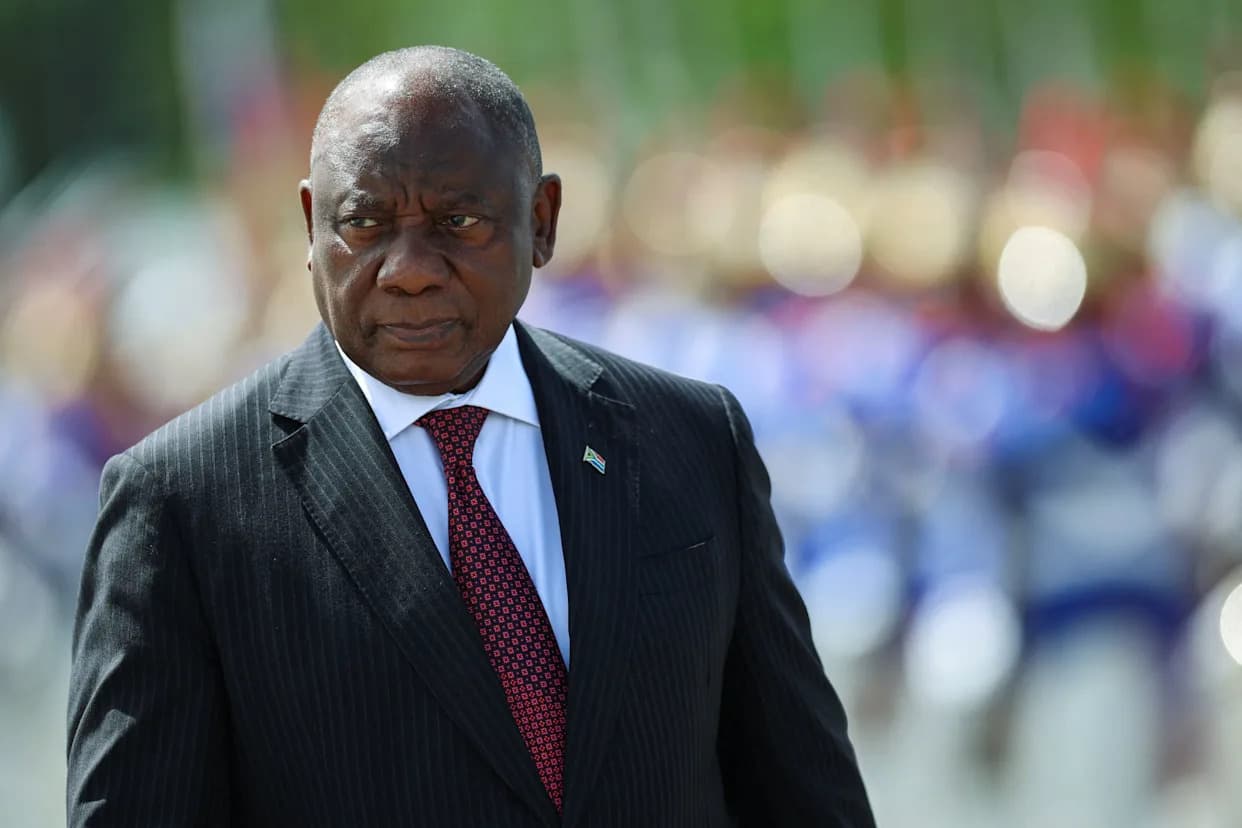
South African President Cyril Ramaphosa announced he will challenge a Constitutional Court ruling that ordered parliament to reopen an impeachment inquiry into his handling of the 2020 Phala Phala foreign-currency theft. The move shifts the confrontation from a hostile legislature to the judiciary, temporarily easing pressure on his fragile governing coalition.
In a late-night televised statement, Ramaphosa said he will seek judicial review of the panel report that prompted the inquiry, arguing its findings rest on "hearsay allegations" and that "no evidence, let alone sufficient evidence, has been presented" to show he breached the Constitution or the law. He dismissed opposition demands for his resignation as an acceptance of a report he says contains "grave flaws."
Background: The Phala Phala affair became public in 2022 after a former intelligence chief alleged Ramaphosa tried to cover up the theft of foreign currency from his game farm. An independent parliamentary panel, led by a retired chief justice, concluded the president had a case to answer, citing potential conflicts of interest, a failure to report the crime, and misuse of state resources for off-the-books investigations. Parliament — then dominated by the African National Congress (ANC) — voted to halt the process.
Last week the Constitutional Court ruled that parliamentary vote unlawful and ordered lawmakers to restart the inquiry, prompting parliament to outline steps to form an impeachment committee. Ramaphosa’s lawyers are expected to argue that lawmakers should not proceed while the underlying panel report is subject to judicial review and may seek an injunction to pause parliamentary action — a process that could last months.
Political and Legal Stakes
Critics, including the Economic Freedom Fighters (EFF) and the MK Party, accused Ramaphosa of employing so-called "Stalingrad tactics" — protracted court battles intended to delay accountability. Supporters say turning to the courts is a prudent legal defense that buys time for coalition partners and allows judges to scrutinize procedural and legal questions before parliament proceeds.
"Legal delay is not a cure," experts warn. Even if a judicial review stalls the impeachment committee, parliament retains other options, including a vote of no confidence should opposition momentum build or the governing coalition fracture.
Ramaphosa has framed his presidency as necessary to continue undoing the effects of "state capture" under former President Jacob Zuma and to protect institutional reforms that disrupted entrenched patronage networks.
Regional Note: The piece also notes a related regional legal development: Kenya’s High Court is reviewing a challenge to the 2024 impeachment of former Deputy President Rigathi Gachagua, which petitioners say was a politically motivated purge by President William Ruto.
What happens next: Expect a court filing from Ramaphosa’s legal team seeking review and likely an injunction. If the courts accept the case and grant a pause, parliamentary impeachment steps could be deferred for weeks or months while legal issues are resolved.
Help us improve.





















