
Keir Starmer will seek a political reset after Labour's heavy defeats in local and regional elections, acknowledging that "incremental change won't cut it" and pledging a stronger response on growth, Europe and energy. The results — including losing control of Wales for the first time in 27 years and a surge by Reform UK — have intensified calls for new leadership. Potential challengers face a high bar of 81 MP nominations, and Starmer says he intends to remain in office as he pursues a "decade of national renewal."
Starmer Seeks Major Reset After Devastating Local and Regional Polls
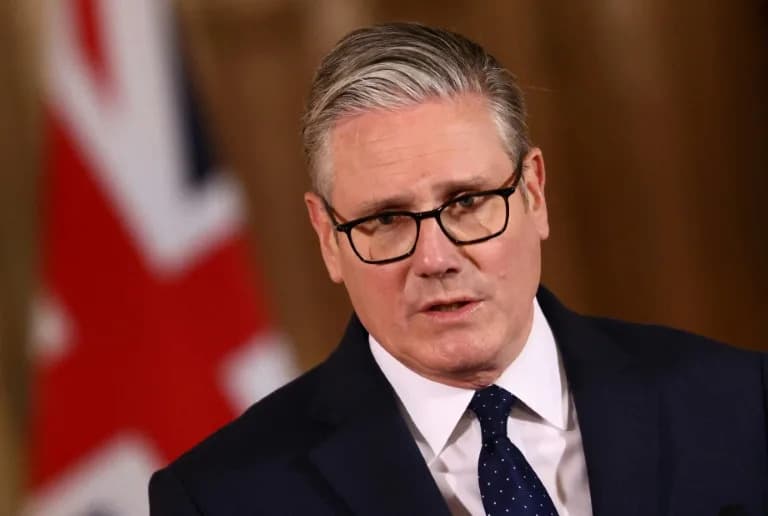
The grim polls came less than two years after Starmer swept to power in a landslide general election victory (Jack Taylor)(Jack Taylor/POOL/AFP)
British Prime Minister Keir Starmer will attempt a high-stakes reset on Monday after Labour suffered heavy losses in recent local and regional elections, his office said. In a speech preview, Downing Street said Starmer will acknowledge that "incremental change won't cut it" and promise a "bigger response" on priorities including economic growth, closer ties with Europe and energy policy.
Why the Reset?
The setbacks have intensified scrutiny of Starmer's leadership less than two years after he led Labour to a landslide general election victory that ended 14 years of Conservative rule. The party lost nearly 1,500 local council seats and, crucially, lost control of the Welsh devolved government for the first time since the Cardiff parliament was established 27 years ago.
Electoral Shifts and Opposition Gains
The anti-immigration Reform UK party surged from under 100 seats to more than 1,400 at the local level under Brexit campaigner Nigel Farage. In Scotland, SNP leader John Swinney called for another independence referendum to guard against the prospect of a future Reform UK government.
Leadership Pressure
Several Labour MPs have publicly questioned Starmer's future. Former junior minister Catherine West said she would try to trigger a leadership contest herself if a senior cabinet minister did not challenge the prime minister by Monday — a move that could open the door for other contenders and risk bitter internal battles between the party's left and right.
Under party rules, any challenger needs the backing of 81 Labour MPs (20% of the parliamentary party) to trigger a leadership contest. Former loyalist Josh Simons urged Starmer to step down, saying he had "lost the country," while veteran MP Clive Betts said there should be a constructive way to bring in a new leader "in the next few months."
Potential Contenders
Names floated in the British press include former deputy prime minister Angela Rayner and Health Minister Wes Streeting, though neither commands universal support among MPs and both would need substantial nominations to begin a contest. Andy Burnham, the mayor of Greater Manchester, has been mentioned but is currently ineligible because he does not hold a seat in Parliament. Speculation has also grown about rallying around a unity candidate such as Defence Secretary John Healey or Armed Forces minister Al Carns.
Additional Context
Starmer, 63, has faced criticism over a series of policy missteps and is embroiled in controversy following the short-lived appointment and subsequent sacking of Peter Mandelson as UK ambassador to Washington after revelations about Mandelson's ties to the convicted sex offender Jeffrey Epstein. Starmer has also struggled to revive economic growth amid a prolonged cost-of-living squeeze, though he has been praised by some for standing up to US President Donald Trump on issues relating to Iran.
Asked whether he intends to lead Labour into the next general election and serve a full term, Starmer told the Sunday Mirror: "Yes, I will." He added that he had "always said it's a decade of national renewal," signaling his intent to remain in post despite mounting pressure.
(har/phz/ceg)
Help us improve.





















