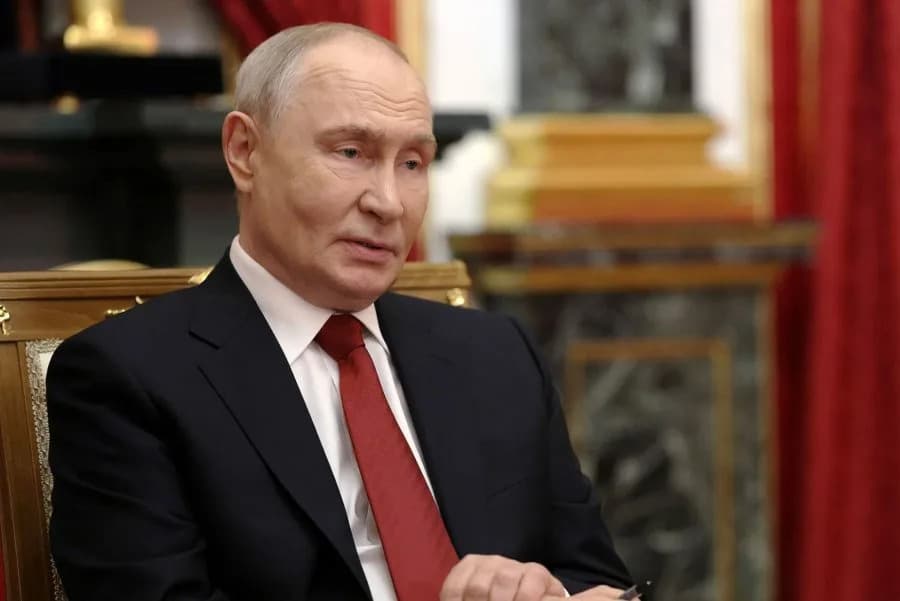
Summary: Moscow has sharply scaled back its May 9 Victory Day parade amid Kremlin fears that Ukrainian drones or sabotage could target Red Square or President Vladimir Putin. Putin proposed a one-day ceasefire for the parade; Zelensky offered a broader pause and then limited any truce to exclude Red Square during the event. Improved Ukrainian drone capabilities, renewed EU support after Viktor Orbán’s defeat, and signs of waning domestic backing have increased pressure on the Kremlin and intensified concerns about internal instability.
Putin’s Fear Is Showing — Why Moscow’s Victory Day Parade Has Been Scaled Back
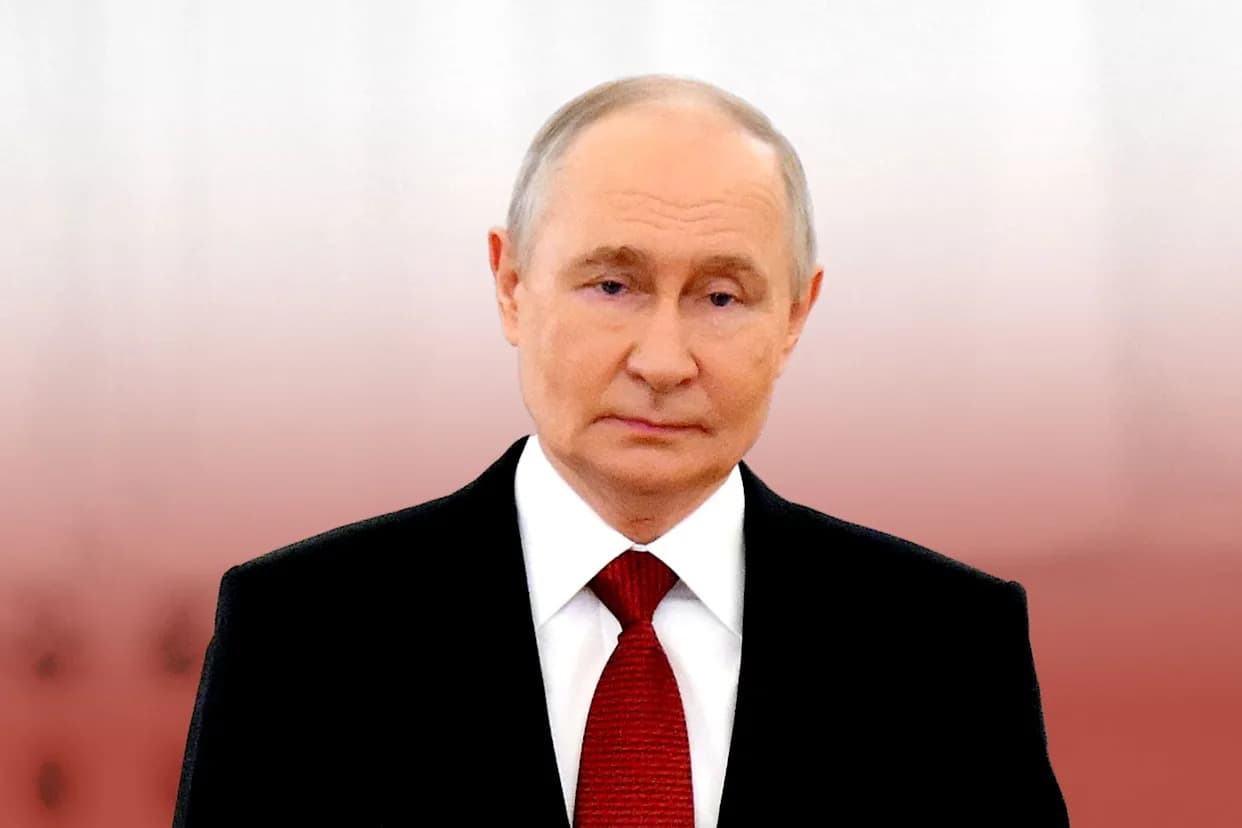
Moscow’s annual Victory Day parade — the ritual marking the defeat of Nazi Germany — is usually a grand, highly choreographed display of Russian military power in Red Square. This year, however, the ceremony is dramatically toned down: far fewer troops will march and there will be no tanks, missiles or other heavy hardware on public display. President Vladimir Putin may make only a brief appearance, and no visiting foreign leaders have been announced.
Security Concerns and a Rare Ceasefire Request
The pullback reflects a specific and growing fear in the Kremlin: that Ukrainian forces could strike the parade with drones or another act of sabotage, possibly targeting the president. Putin proposed a one-day ceasefire for May 9 — the first such request since the 2022 invasion — to reduce the risk during the event.
Ukrainian President Volodymyr Zelensky countered with an offer to start a truce on May 5 to ease civilian suffering; when Putin did not accept that broader pause, Zelensky declined Putin’s limited proposal. Separately, former U.S. President Donald Trump announced that Putin and Zelensky had agreed to a three-day truce starting Saturday and an exchange of 1,000 prisoners. Zelensky later issued a narrower statement saying: "For the duration of the parade (beginning at 10:00 am Kyiv time on May 9, 2026), the area of Red Square shall be excluded from the plan for the use of Ukrainian weapons," naming the coordinates of Red Square and saying nothing about a halt to strikes elsewhere in Russia.
Information Controls and Precautions
Russian authorities have sharply curtailed foreign press access to the parade and, at times, restricted internet services inside the country — steps officials say are security measures but that also limit independent reporting and public witnessing of any incident.
Why Moscow Is Uneasy
Beyond the immediate threat to the parade, a range of battlefield and political trends help explain Kremlin anxiety. Ukrainian forces have accelerated the adoption and refinement of drone technology, reportedly deploying roughly 30% more drones than Russia in some measures and improving range and accuracy to strike deep inside Russian territory. These attacks have targeted critical infrastructure such as oil refineries and logistics hubs, undermining economic gains Moscow briefly enjoyed from higher global energy prices after disruptions in the Strait of Hormuz.
Meanwhile, political shifts in Europe have strengthened Kyiv. The electoral defeat of Hungary’s Prime Minister Viktor Orban — a longtime blocker of larger EU aid packages to Ukraine — has removed a key obstacle to a $106 billion EU loan package and paved the way for renewed military assistance. Those developments have buoyed Zelensky’s position and contributed to Moscow’s isolation.
Domestic Pressures and Leadership Fears
Opinion surveys within Russia indicate declining public support for the war, a noteworthy trend given that such polls often understate dissent because respondents may fear repercussions. Business leaders and economists have been more willing to voice concerns about the economic costs. According to reports, Putin has told close associates he fears internal threats, including the risk of a coup or assassination.
That anxiety has historical precedents: in 2023 Yevgeny Prigozhin, head of the Wagner Group, briefly led an armed mutiny that advanced toward Moscow before being called off; weeks later, he and senior lieutenants died when their plane exploded after takeoff. Many observers viewed that blast as a politically motivated assassination, a warning to potential challengers.
What This Means
Putin’s precautions reflect more than personal paranoia: they are rooted in shifting military capabilities, renewed international support for Ukraine, and growing domestic unease. Whether these pressures will produce a decisive shift in the course of the war remains uncertain, but for now they have clearly heightened Kremlin caution around high-profile events like Victory Day.
Help us improve.