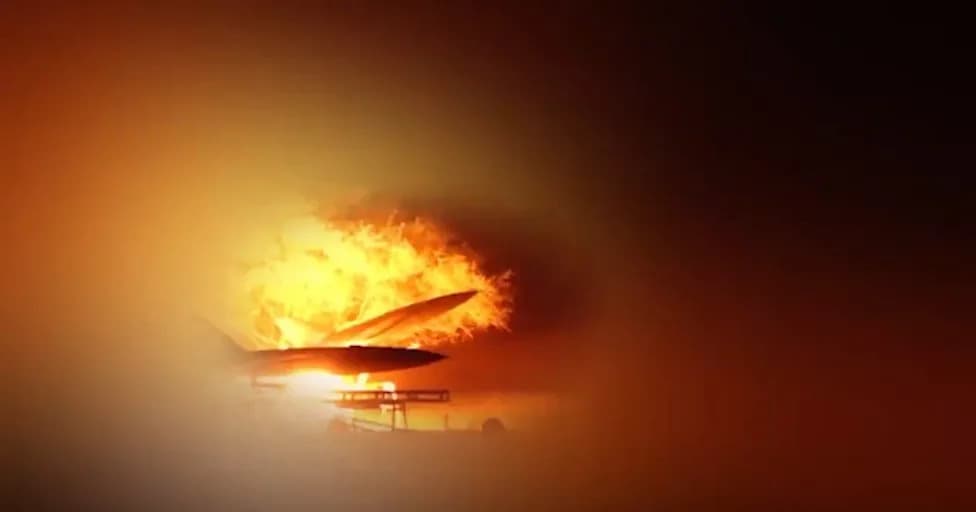
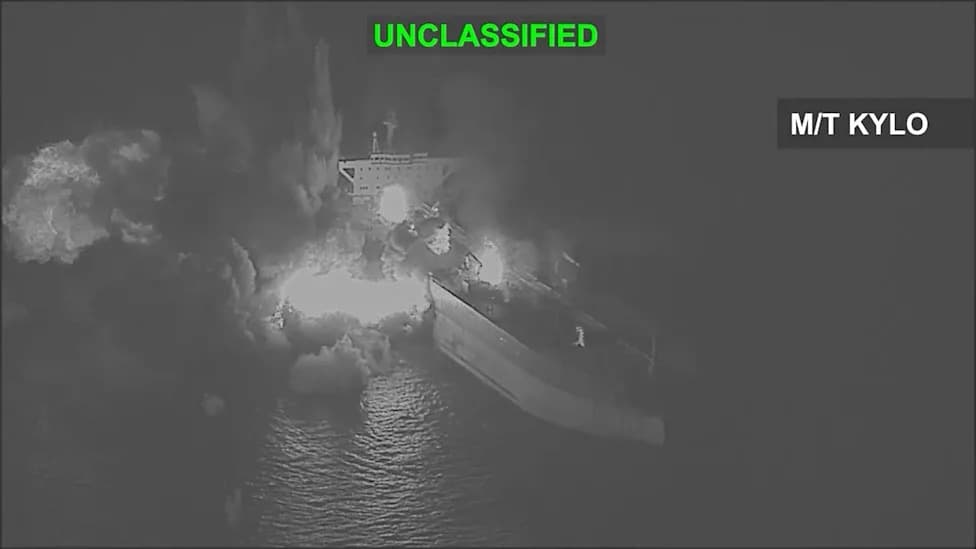
The U.S. military said it launched strikes on Iranian military sites on Thursday in response to attacks on American forces, describing the action as self-defense. Iran accused the U.S. of breaching an April 7 ceasefire by striking vessels and civilian areas. CENTCOM said it neutralized inbound threats and targeted missile, drone and command-and-control facilities while three U.S. destroyers transited the Strait of Hormuz. The strikes' effect on the ceasefire and a tentative U.S. proposal to halt fighting but leave core disputes unresolved remains uncertain.
U.S. Conducts Retaliatory Strikes on Iran, Citing Self-Defense; Ceasefire Impact Unclear
Washington — The U.S. military said on Thursday it carried out retaliatory strikes against Iranian military sites it blamed for recent attacks on American forces, calling the actions a response to what it characterized as unprovoked hostilities by Tehran.
Iran's top joint military command earlier accused the United States of breaching a ceasefire by striking an Iranian oil tanker and a second vessel entering the Strait of Hormuz, and by hitting civilian areas.
"U.S. Central Command (CENTCOM) eliminated inbound threats and targeted Iranian military facilities responsible for attacking U.S. forces including missile and drone launch sites; command and control locations; and intelligence, surveillance and reconnaissance nodes," the Pentagon said in a statement.
The Pentagon said Iran launched a mix of missiles, drones and small boats while three U.S. Navy destroyers — the USS Truxtun, USS Peralta and USS Mason — transited the Strait of Hormuz en route to the Gulf of Oman. U.S. officials reported that no American military assets were struck in those Iranian attacks.
"CENTCOM does not seek escalation but remains positioned and ready to protect American forces," the statement added.
U.S. Central Command described the strikes as acts of self-defense. It was not immediately clear what effect the U.S. strikes would have on the ceasefire agreed last month.
Context And Ongoing Diplomacy
The exchanges follow earlier clashes since the April 7 truce took effect. On Monday, U.S. forces said they destroyed six Iranian small boats and intercepted Iranian cruise missiles and drones as Tehran attempted to block a U.S. naval operation to reopen shipping lanes through the Strait of Hormuz.
Washington has proposed an agreement intended to halt the fighting while leaving the most contentious issues — notably Iran's nuclear program and the full reopening of the Strait of Hormuz — unresolved. Tehran had not publicly accepted that proposal at the time of the strikes.
The plan aims to formally end the conflict paused by the April 7 ceasefire but would not require Iran to suspend nuclear activities or immediately restore full, unfettered passage through the Strait, a waterway that previously carried about one-fifth of the world's oil and gas shipments.
Both sides have continued to trade attacks since the ceasefire took effect, raising doubts about the durability of the pause and the prospects for a broader diplomatic settlement.
Reporting by Idrees Ali and Phil Stewart; Editing by David Gregorio.
Help us improve.