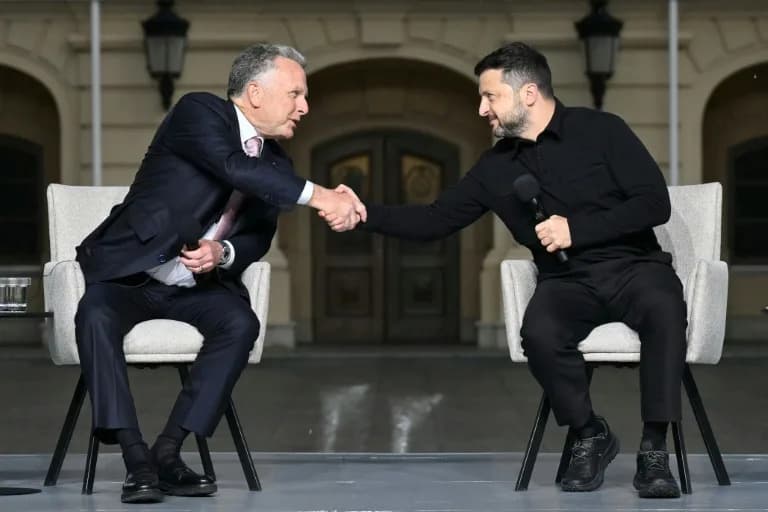
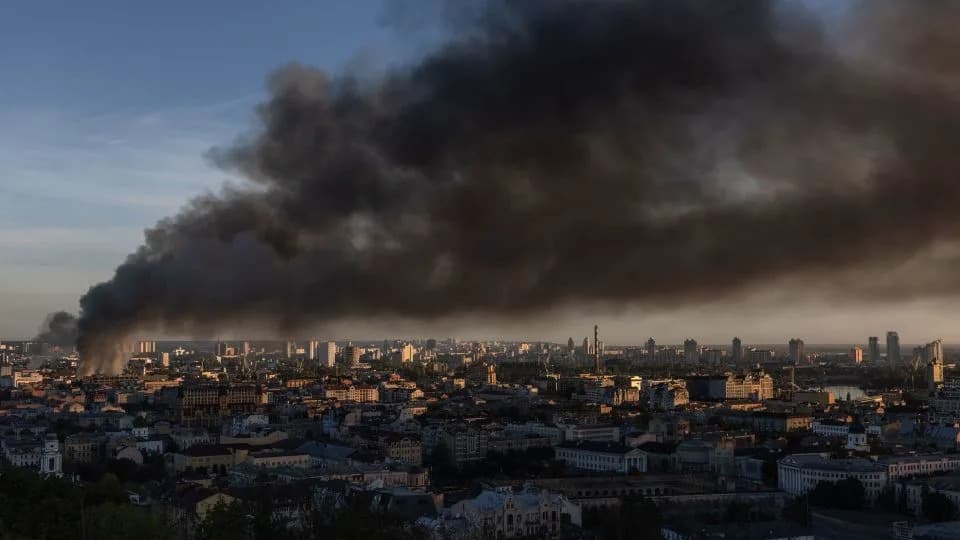
Rustem Umerov arrived in Miami on May 7 to meet U.S. officials in efforts to revive stalled peace talks and to discuss a potential prisoner-of-war exchange. President Zelenskiy said Umerov received security-related instructions and that initial meetings were scheduled for Thursday. Negotiations remain deadlocked over control of parts of Donetsk, and recent ceasefire proposals by both sides were rejected.
Ukraine’s Chief Peace Negotiator Rustem Umerov Arrives in Miami to Revive U.S.-Backed Talks
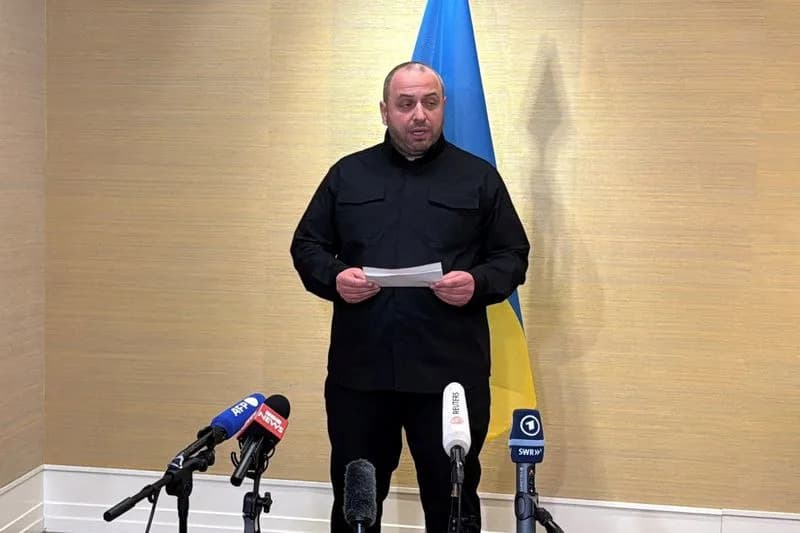
FILE PHOTO: Secretary of the National Security and Defence Council of Ukraine Rustem Umerov speaks to members of the media in Geneva, Switzerland, February 18, 2026. REUTERS/Cecile Mantovani/File Photo
Ukraine’s chief peace negotiator, Rustem Umerov, arrived in Miami on May 7 for a series of meetings with U.S. officials aimed at restarting stalled negotiations to end Russia’s war in Ukraine.
Meetings And Mandate
President Volodymyr Zelenskiy said on X that Umerov’s mission includes pursuing a possible prisoner-of-war exchange and intensifying diplomatic efforts to achieve a durable end to hostilities. A first round of meetings was scheduled for Thursday, according to a source familiar with the plans. A White House official confirmed Umerov would meet U.S. representatives but gave no additional details.
Deadlock Over Donetsk And Negotiation Dynamics
The U.S.-facilitated talks remain deadlocked over control of parts of eastern Donetsk. Moscow has demanded Kyiv withdraw troops from areas it has failed to capture during its full-scale invasion; Kyiv says it will not cede territory it currently controls. The impasse has limited progress during recent rounds of diplomacy.
"We are in constant communication with the American side and know about the relevant contacts of our partners with the Russian side. We are working to ensure that this helps bring a dignified peace closer and guarantee security," Zelenskiy said.
Zelenskiy added that Umerov received "several specific security-related instructions" regarding bilateral cooperation with the United States, underscoring that security arrangements remain a core element of the talks.
Context And Recent Developments
Kyiv had expected U.S. envoys Steve Witkoff and Jared Kushner to visit earlier in the spring, but those missions were delayed as the envoys were engaged by the two-month-old conflict in Iran. The last trilateral round of Ukraine-Russia talks involving U.S. representatives took place in February; since then U.S. envoys have largely held separate meetings with Ukrainian and Russian delegations.
On April 29, U.S. President Donald Trump and Russian President Vladimir Putin spoke by phone about a potential ceasefire. Moscow announced a limited ceasefire for May 8–9 — timed to Russia’s Victory Day parade — which Kyiv rejected as being aimed at protecting the parade amid concerns about Ukrainian drone activity. Ukraine proposed an open-ended ceasefire beginning May 6. Neither side accepted the other's proposal, and tensions remained high: Russia warned it could strike central Kyiv if Ukraine attacked Moscow, while Kyiv accused Russia of violating ceasefire terms and said it would respond in kind.
Outlook
Umerov’s meetings in Miami highlight continued U.S. involvement as mediators try to find narrow areas for progress, such as prisoner swaps and security guarantees, even as territorial disputes — especially over Donetsk — keep comprehensive peace talks stalled. The success of these consultations will depend on whether they can translate diplomatic contacts into concrete steps that both Kyiv and Moscow find acceptable.
Help us improve.