
The UAE said it intercepted 15 missiles and four drones it blamed on Iran, reporting a large fire at the Fujairah Petroleum Industries Zone and three injured Indian nationals. Officials also said an unmanned state-owned crude oil tanker was struck in the Strait of Hormuz; Iran denies the accusations. Gulf states and Western leaders condemned the strikes and urged de‑escalation, while international concern focused on maritime security and potential energy market impacts.
‘Dangerous Escalation’: UAE Says It Intercepted Missiles And Drones — Global Leaders Condemn Iran
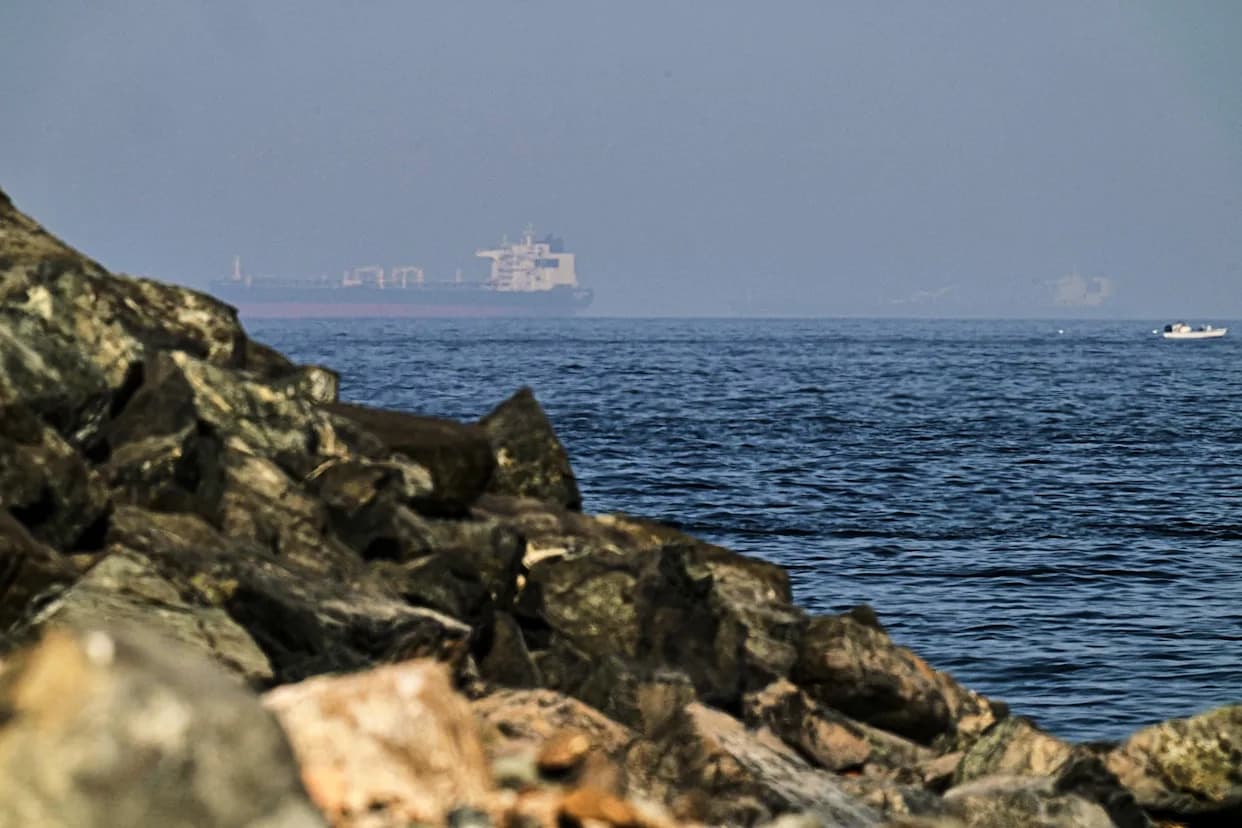
Cargo ships are seen at sea in the Gulf of Oman near the Strait of Hormuz, as viewed from a rocky shoreline near Khor Fakkan, United Arab Emirates, on May 1, 2026 [Fatima Shbair/AP]
Tensions in the Gulf spiked after the United Arab Emirates said it intercepted 15 missiles and four drones in strikes it blamed on Iran, calling the actions "treacherous" and warning it reserves the right to respond.
The UAE said Monday’s attacks were the first to target the country since Iran and the United States agreed a ceasefire on April 8. According to UAE authorities, one drone ignited a "large" fire at the Fujairah Petroleum Industries Zone and three Indian nationals were wounded. Officials also reported an unmanned state-owned crude oil tanker was struck while transiting the Strait of Hormuz. Tehran has denied the accusations.
What Happened
The UAE reported that its defenses intercepted multiple incoming missiles and drones. Local authorities described damage from at least one drone strike to petrochemical facilities in Fujairah and injuries to foreign workers. Separately, officials said a state-owned crude oil tanker was hit while passing through a strategically vital shipping lane — raising immediate concerns about maritime safety and global energy shipments.
Regional And International Reactions
Gulf States
Saudi Arabia, Qatar, Kuwait, Bahrain and Jordan issued strong condemnations, expressed solidarity with the UAE, and called on Iran to cease attacks that they said threaten regional security and freedom of navigation in international waterways. Bahrain described the strikes as a "dangerous escalation" and urged the United Nations Security Council to take firm measures.
Europe And North America
Leading European and North American governments condemned the strikes and urged restraint. France called the attacks "unjustified and unacceptable," while EU officials warned the incidents threaten regional security and international law. Canada condemned the strikes and called for de‑escalation and diplomacy. The UK urged Iran to engage in talks to prevent further escalation.
Impact and concern: Officials and international commentators warned that attacks on ships and oil infrastructure endanger maritime trade routes through the Strait of Hormuz and could disrupt global energy markets if the situation deteriorates.
Why It Matters
The Strait of Hormuz is a critical artery for global oil shipments. Attacks on vessels or on shore facilities raise the risk of wider conflict, threaten commercial shipping, and could push energy prices higher. International leaders stressed the need for urgent diplomatic efforts to prevent escalation and protect civilians and critical infrastructure.
Investigations and international responses are continuing. The UAE's allegations and Iran's denials set the stage for intensified diplomatic activity and calls from many capitals for de‑escalation and adherence to international law.
Help us improve.





















