
Key Point: The US Treasury's Office of Foreign Assets Control warned that shippers who pay Iran tolls, fees or other forms of payment for passage through the Strait of Hormuz could face US sanctions. The advisory lists payment types including fiat currency, digital assets, informal swaps and transfers disguised as charitable donations. The warning arrived as a US naval blockade entered its third week and amid stalled ceasefire talks; Iran reportedly submitted a new ceasefire proposal, which the White House declined to publicly confirm.
US Warns Shippers: Paying Iran 'Tolls' For Strait Of Hormuz Passage Could Trigger Sanctions
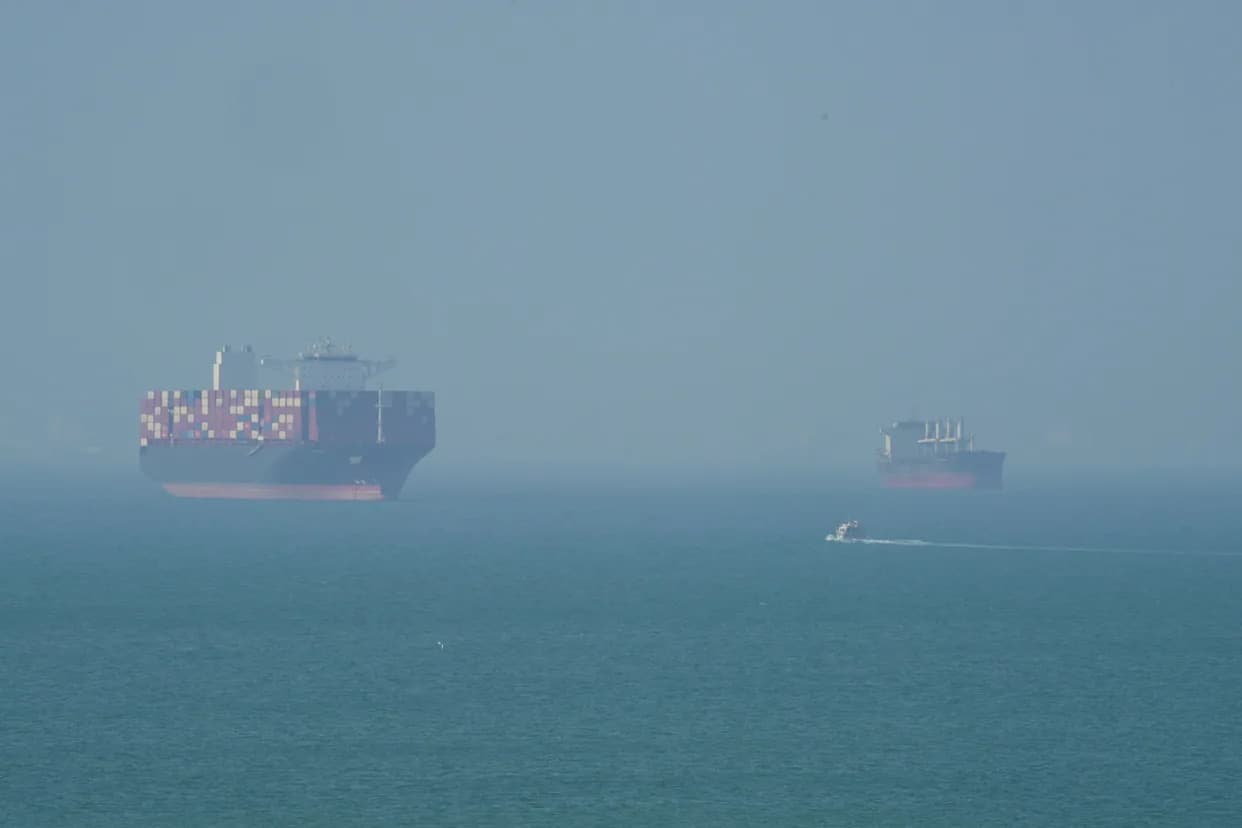
A cargo boat is seen in Strait of Hormuz. [File: Asghar Besharati/Getty Images]
The United States Treasury on Friday issued a broad warning that any shipper who pays fees, tolls or other payments to Iran to secure passage through the Strait of Hormuz risks facing US sanctions.
What the Advisory Says
The advisory from the Department of the Treasury’s Office of Foreign Assets Control (OFAC) cautions that Iran may offer a range of payment types to vessels seeking transit, including fiat currency, digital assets, offsets, informal swaps or other in-kind payments. OFAC specifically warned that some transfers might be presented as charitable donations—naming groups such as the Iranian Red Crescent Society, Bonyad Mostazafan, or even embassy accounts—as a potential cover.
"OFAC is issuing this alert to warn US and non-US persons about the sanctions risks of making these payments to, or soliciting guarantees from, the Iranian regime for safe passage. These risks exist regardless of payment method."
Context And Strategic Importance
The advisory was published as a US naval blockade of the Strait entered its third week amid stalled ceasefire negotiations between Washington and Tehran. Iranian President Masoud Pezeshkian described the ongoing siege of the country’s ports as "intolerable." Tehran’s control over — and ability to disrupt or close — the Strait of Hormuz became a central leverage point soon after the United States and Israel began attacks on Iran on February 28.
The strait is a strategic global artery: roughly one-fifth of the world’s crude oil and liquefied natural gas shipments transit the waterway by sea, making freedom of navigation there a major international concern.
Diplomacy And Military Pause
According to state media in Tehran, Iran submitted a new proposal for a lasting ceasefire to the Trump administration on Friday. The White House declined to confirm receipt, saying it does not "detail private diplomatic conversations." Spokesperson Anna Kelly reiterated that "Trump has been clear that Iran can never possess a nuclear weapon, and negotiations continue to ensure the short- and long-term national security of the United States."
Both sides largely paused attacks after a tentative agreement to halt fighting on April 7, but President Trump has repeatedly warned he may resume strikes if talks stall. Iran’s Foreign Minister Abbas Araghchi said Tehran remains open to diplomacy if Washington alters what he described as its "expansionist approach" and "threatening rhetoric." Both the Iranian government and the Islamic Revolutionary Guard Corps (IRGC) remain subject to US sanctions.
What Shippers Should Do
OFAC’s alert is a clear signal to commercial shipping companies, insurers and maritime service providers to avoid any payments or guarantees to Iranian entities in exchange for safe passage. The advisory emphasizes that the sanctions risk applies regardless of how a payment is structured or labelled.
Help us improve.





















